Vancouver City Council stops food delivery robot trial before it began
OneCity councillor Lucy Maloney's motion directs staff to drop the Serve Robotics sidewalk delivery pilot, citing disability access, public space and employment concerns.
Reported. A news outlet found this. voche.me names the outlet and links its report. Read the original report on dailyhive.com.

Vancouver City Council voted last week to cancel a planned trial of sidewalk food delivery robots, reversing a decision made by the previous council earlier this year. Daily Hive reported the vote on November 22, 2026.
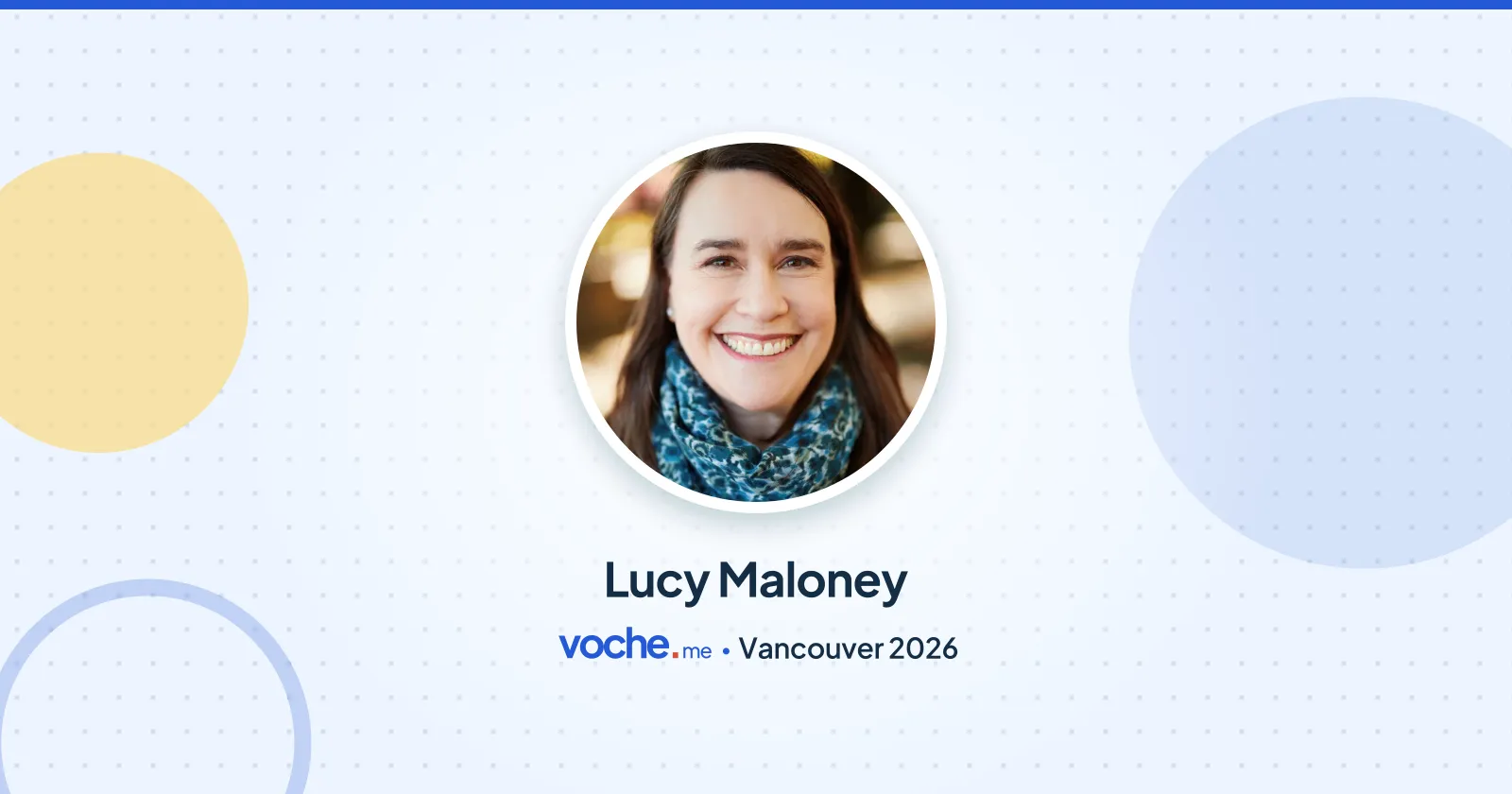
OneCity councillor Lucy Maloney moved the motion directing City of Vancouver staff to abandon work on the robotic food delivery pilot project. Only ABC councillor Mike Klassen voted against it.
What the pilot would have been
In May 2026, Klassen moved a motion for City staff to work with Serve Robotics on a six-month trial in Downtown Vancouver and Kitsilano. The plan was for the small electric robots to carry food inside a secure compartment that customers could open with a smartphone app such as Uber Eats. City staff confirmed at last week's meeting that the trial had not yet started. Provincial government approvals were still needed under the 2023 Motor Vehicle Amendment Act before the robots could cross streets and use pedestrian sidewalks.
Why council voted to stop it
Maloney cited three concerns in her motion: commercial use of public space, barriers for people with disabilities, and effects on local employment. She also questioned whether replacing some delivery vehicle trips with robots would reduce overall congestion, or shift it from roads to sidewalks.
"I was very clear when this first came to Council that there were extremely significant problems with this pilot," Maloney said at the meeting, as reported by Daily Hive. "One of the troubling aspects of it was that it was said that it would reduce road traffic, but where does that traffic go? It goes on to our congested sidewalks."
Ana Booth, executive director for B.C. and the Yukon at the Canadian National Institute for the Blind (CNIB), told council that adding another unpredictable obstacle could make everyday travel more difficult for people who are blind, have low vision, or are both deaf and blind. Margie Sanderson of Vision Zero Vancouver pointed to narrow sidewalks and missing curb ramps in the proposed trial area.
What the company and business groups said
Vignesh Ram, vice-president of policy at Serve Robotics, urged council to hold off and receive a briefing from the company before deciding. He said Serve Robotics had spent years engaging Vancouver officials, neighbourhood groups, business associations, and disability advocates, but had not yet had a chance to meet with the newly elected council.
"We're not asking Vancouver to make a permanent commitment," Ram told council, according to Daily Hive. He said the small robots could help local restaurants reach nearby customers, and pointed to jobs in mapping, operations, and robot maintenance.
The Greater Vancouver Board of Trade also asked council to defer. Klassen said he was disappointed the council was abandoning the trial before testing his concerns. Daily Hive did not name any other ABC councillor as voting against the motion.
Residents who want to follow how the new council votes can read Lucy Maloney's candidate page at /candidates/lucy-maloney or the OneCity party page at /parties/onecity.
Questions this story answers
What did Vancouver City Council decide about the food delivery robot pilot?
Council approved a member motion by OneCity councillor Lucy Maloney directing City of Vancouver staff to abandon work on the robotic food delivery pilot project. The vote happened at a council meeting in the week of November 17, 2026, and was reported by Daily Hive on November 22. Only ABC councillor Mike Klassen voted against the motion.
What was the original plan for the food delivery robots?
In May 2026, then-ABC councillor Mike Klassen moved a motion for City staff to work with Serve Robotics on a six-month trial in Downtown Vancouver and Kitsilano. The plan was for the robots to carry food in a secure compartment that customers could open with a smartphone app such as Uber Eats. The trial had not started before council reversed the decision.
Why did council cancel the pilot project?
Councillor Maloney cited three concerns in her motion: commercial use of public space, barriers for people with disabilities, and effects on local employment. She also questioned whether the robots would reduce car trips or simply shift congestion from roads to sidewalks. Daily Hive reported her words at the meeting.
Who supported cancelling the trial?
Ana Booth, executive director for B.C. and the Yukon at the Canadian National Institute for the Blind (CNIB), told council that the robots would add an unpredictable obstacle for people who are blind, have low vision, or are both deaf and blind. Margie Sanderson, director of organizing at Vision Zero Vancouver, pointed to narrow sidewalks and missing curb ramps in the trial area.
What did Serve Robotics say about the council decision?
Vignesh Ram, the vice-president of policy at Serve Robotics, urged council to hold off on the reversal and receive more information from the company. He said the company had spent years engaging Vancouver officials, neighbourhood groups, business associations, and disability advocates, and had not yet had a chance to brief the newly elected council. The Greater Vancouver Board of Trade also urged a deferral.
Was the pilot already running when council voted to cancel it?
No. City staff confirmed at the meeting that the pilot project had not started. Provincial government approvals were still needed under the 2023 Motor Vehicle Amendment Act before wheeled robots could cross streets and use pedestrian sidewalks. Council cancelled it before that approval was sought.
What is Serve Robotics?
Serve Robotics is a San Francisco Bay area company launched in 2021. According to the company's website, it has deployed more than 2,000 robots, operates in 44 cities across 14 U.S. states, and has more than 4,000 merchant partners. The company became publicly traded on the Nasdaq in 2024. Its co-founder Ali Kashani received a PhD in Robotics from the University of British Columbia.
Where can Vancouver residents follow how the new council votes on technology and other issues?
Residents can read about Lucy Maloney's promises and council votes at her candidate page on this site, and about OneCity's platform at the party page. The tracker on this site logs every promise and vote for each person elected in October 2026.
Sources
The pages this story draws on. Open one to check a claim yourself.
Found an error? Tell the editors with the corrections form. A correction is noted on the story it changes. Read our standards.