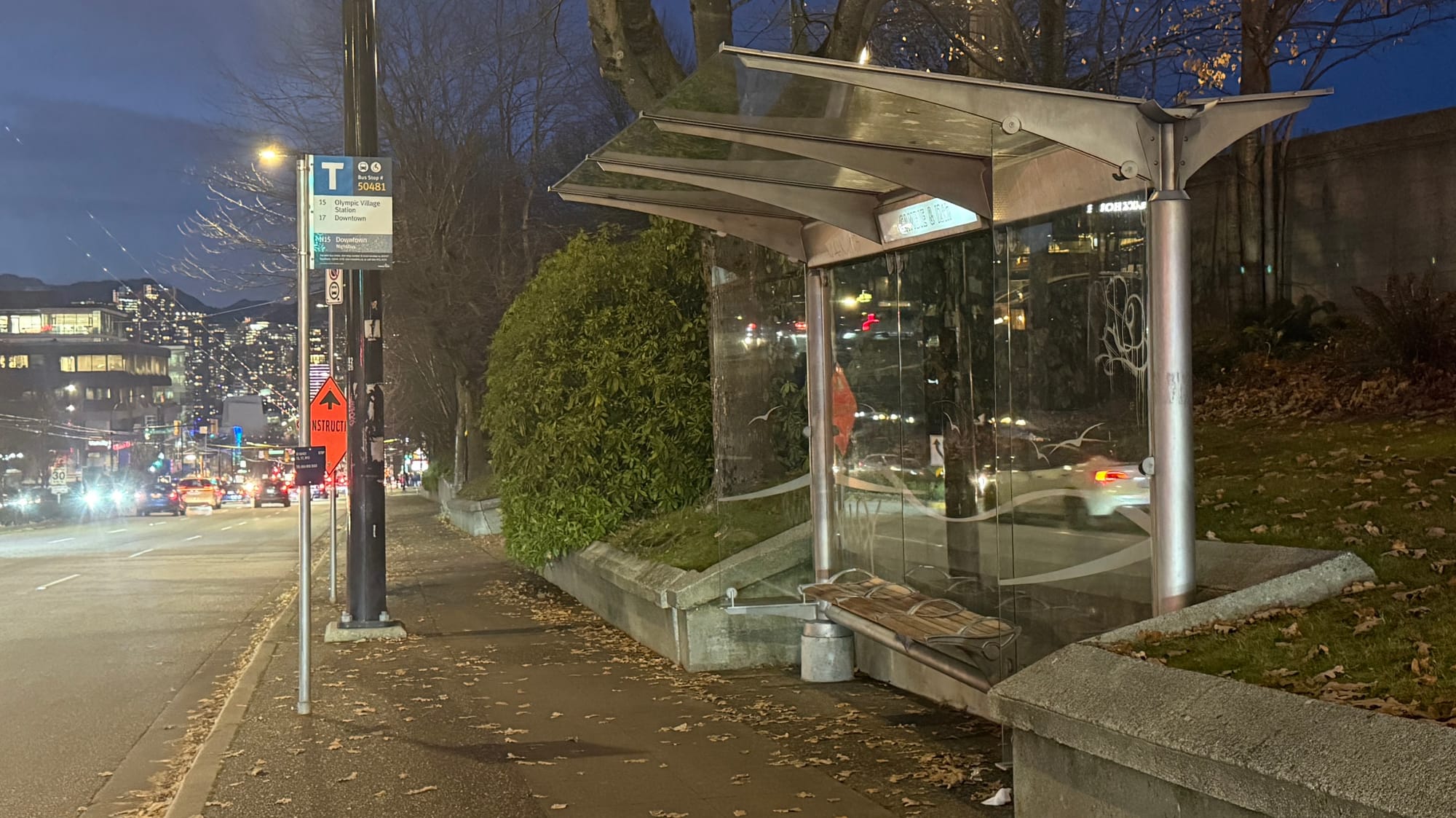
TransLink will keep diesel buses running up to four years past their usual retirement age
A new TransLink staff report says a substantial portion of the diesel and diesel-hybrid fleet will stay in service 20 to 21 years instead of the usual 17, as the transit authority waits for battery-electric replacements and new depots.
Reported. A news outlet found this. voche.me names the outlet and links its report. Read the original report on dailyhive.com.
TransLink will keep a large share of its diesel and diesel-hybrid buses running three to four years past the age at which they would normally be retired, according to a staff report released in November 2026 and reported by Daily Hive Vancouver.
The public transit authority's subsidiary, Coast Mountain Bus Company, has set up what it calls an extensive lifespan maintenance project running from 2026 through 2029. Buses that TransLink would typically retire after 17 years will stay in service until they reach 20 to 21 years old.
Why old buses are staying on the road
TransLink says the extra time is needed to bring in new battery-electric buses and build the facilities required to charge and maintain them, Daily Hive Vancouver reported on November 28.
The clearest example is the new Marpole Transit Centre bus depot in South Vancouver. The facility is designed to house the charging, storage and maintenance needs of 300 battery-electric buses. Its cost has grown to well over $800 million, and it is not expected to be ready until 2028.
Keeping older buses running costs money. The total project budget for the lifespan maintenance work is $45 million, with $12.6 million set aside for 2026. Work may include replacing an engine, a transmission or batteries, and repairing rust damage, depending on what each individual bus needs to keep operating safely.
How many buses are affected
TransLink's overall fleet has almost 1,700 buses, including over 1,500 conventional models: 40-foot buses, 60-foot articulated buses, and double-decker buses. There are also 200 community shuttle buses, Daily Hive Vancouver reports.
The staff report says a "substantial portion" of the diesel and diesel-hybrid fleet will be covered by the extension program, but did not give a specific count.
New buses already arriving
TransLink has ordered 275 new trolley buses from Polish manufacturer Solaris Bus and Coach to replace its current New Flyer trolley fleet. The first 40-foot model arrived in Metro Vancouver in June 2026 but missed a September 2026 target for entering passenger service. As of November 2026, it had completed most of its tests, with conditional approval pending a final round of testing in passenger service.
The first 60-foot articulated Solaris trolley bus has also arrived for testing.
Meanwhile, the last of TransLink's Orion V suburban express buses were retired at the end of October 2026, after 25 years in service. Double-decker buses have replaced most of them.
Riders in Metro Vancouver who take diesel-powered buses should expect to ride those same vehicles for three to four more years before battery-electric replacements come online. For more on transit decisions by Vancouver's elected councillors, visit the promise tracker.
Questions this story answers
How much longer will the buses stay in service?
According to a TransLink staff report cited by Daily Hive Vancouver on November 28, 2026, buses that TransLink would normally retire after 17 years will keep running for up to 20 to 21 years. That is three to four years beyond the typical retirement point.
Which buses are affected by the lifespan extension?
TransLink identifies diesel and diesel-hybrid buses as the vehicles targeted for the program. The report says a substantial portion of the fleet will be included, but the exact number was not specified. TransLink's overall fleet has almost 1,700 buses, including over 1,500 conventional 40-foot, 60-foot articulated, and double-decker buses, plus 200 community shuttle buses.
How much does the program cost?
TransLink puts the total project budget at $45 million, with $12.6 million allocated for 2026. The work may include replacing an engine, transmission or batteries, and repairing rust damage, depending on what each bus needs to safely keep operating.
Why is TransLink keeping old buses instead of replacing them?
Daily Hive Vancouver reports that keeping older buses in service gives TransLink more time to bring in new battery-electric buses and build the charging infrastructure and maintenance facilities those buses require. The new Marpole Transit Centre depot in South Vancouver, designed to charge and maintain 300 battery-electric buses, now carries a cost of well over $800 million and is expected to be complete in 2028.
What is happening with the new trolley buses?
TransLink ordered 275 new trolley buses from Polish manufacturer Solaris Bus and Coach to replace its aging New Flyer trolley fleet. The first 40-foot Solaris trolley bus arrived in June 2026, missed a September 2026 service target, and was still completing tests as of November 2026. The first 60-foot articulated model has also arrived for testing.
What buses were recently retired?
TransLink retired the last of its Orion V suburban express buses at the end of October 2026, 25 years after the first ones entered service in 2001. Daily Hive Vancouver reported the retirement. Double-decker buses have replaced most of the Orion V vehicles on the routes where they ran.
How does this affect daily bus riders?
Riders who use diesel-powered TransLink buses in Metro Vancouver will continue riding those buses for three to four more years beyond when they would normally have been replaced. TransLink says the maintenance work is meant to ensure the buses continue to operate safely and reliably during the extended period.
Where can I learn about other council decisions on transit in Vancouver?
Vancouver City Council has voted on several transit matters this term, including a motion to ensure every bus stop has a covered bench and debates over bike lanes on 10th Avenue and Broadway. You can read recent council news on this site and follow elected councillors' transport-related promises at /tracker, where each promise is tracked with a dated record.
Sources
The pages this story draws on. Open one to check a claim yourself.
Found an error? Tell the editors with the corrections form. A correction is noted on the story it changes. Read our standards.
Topics
More from voche.me