Vancouver council approves funding for 100 new bus shelters, with plan to cover all feasible stops by 2029
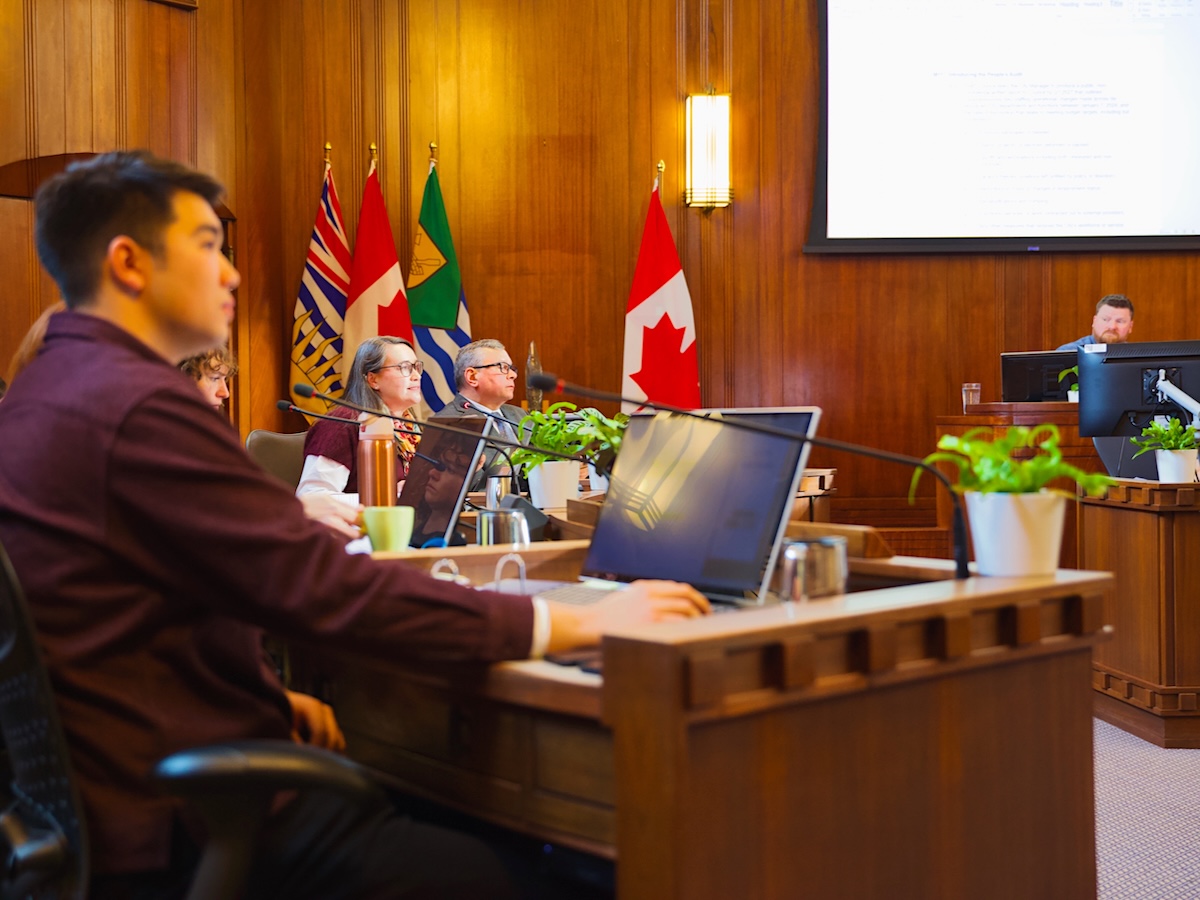
City Council voted November 18 to allocate 2027 budget funding for 100 covered benches at the busiest uncovered bus stops, with a full-coverage goal of December 2029.
Reported. A news outlet found this. voche.me names the outlet and links its report. Read the original report on sitkamedia.ca.
Vancouver City Council voted unanimously on November 18 to allocate 2027 budget funding for 100 new covered bus shelters at the busiest uncovered stops in the city, with a goal to cover all feasible stops by December 2029. Sitka Media reported on the vote on November 19.
The motion was brought by COPE councillors Sean Orr and Solomon Yi-Kieran, who nicknamed it the "Rainy Day Fund" motion. It passed as one of several member motions at the November 18 public meeting.
What was approved
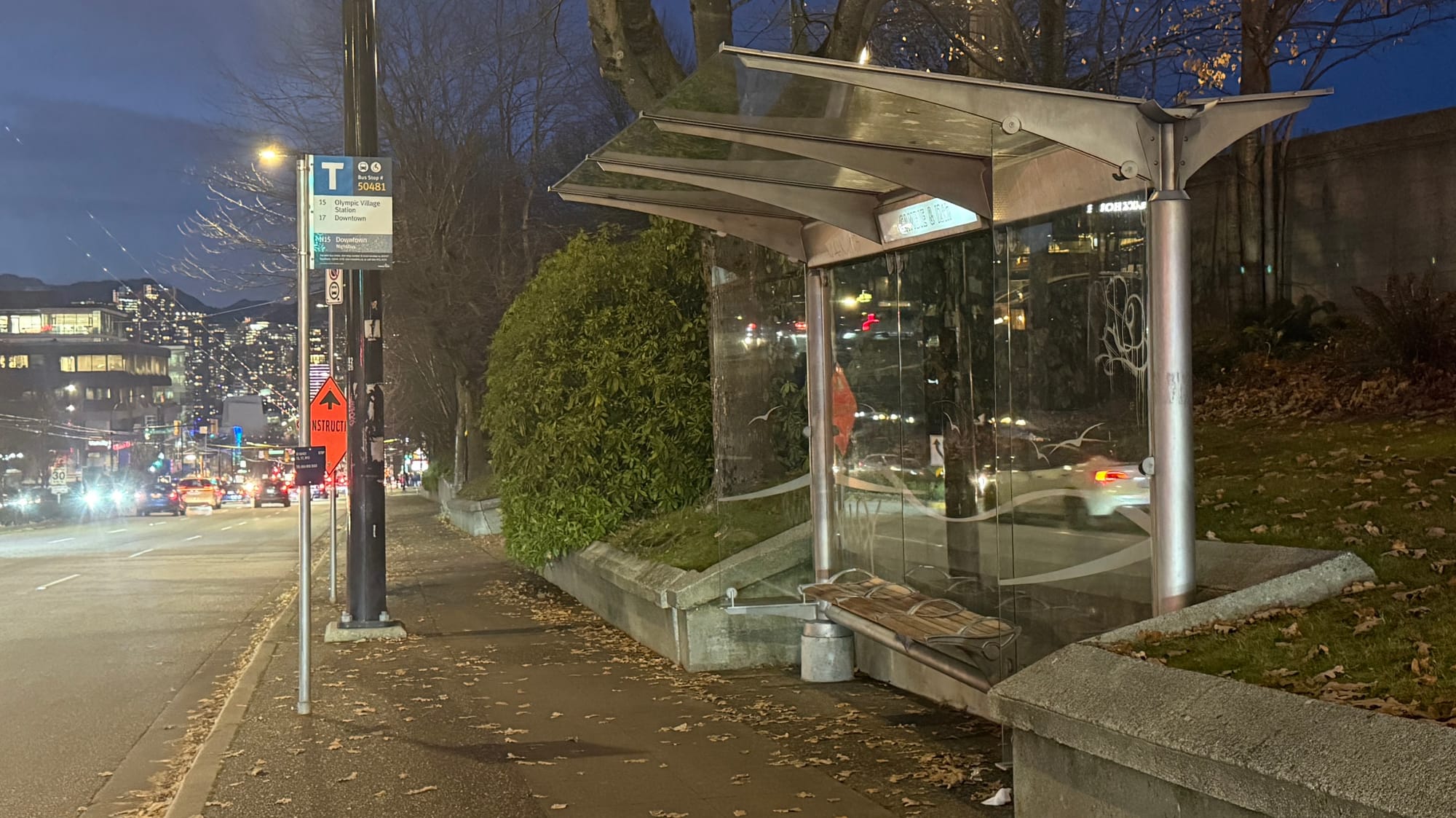
About half of Vancouver's 1,800 bus stops currently have no covered bench, according to Sitka Media. The city's bus stops serve 350,000 daily riders.
Under the motion, the City will allocate budget funding in 2027 for 100 new shelters at stops with more than 50 weekday boardings. Construction of those shelters is targeted for completion by September 2027.
Staff will also report to Council by April 2027 with options for covering all other feasible stops across the city, with a full-coverage goal of December 2029.
What the shelters will include
The motion asks staff to explore additional features for the new shelters, including solar-powered lighting, garbage bins and safety improvements, Sitka Media reported.
An amendment to the motion requires staff to identify non-city funding sources as part of their work. Sitka Media reported that Orr pointed to Burnaby, which owns its own bus shelters and earns advertising revenue from them, as a model the City could follow. Potential sources include contributions from TransLink and advertising revenue from the shelters themselves.
Obstacles and limits
Not every bus stop in Vancouver can receive a shelter. Sitka Media reported that some stops face physical obstacles such as low-hanging trees or narrow sidewalks that make installation difficult or impossible. The April 2027 staff report will identify which stops are feasible.
The City coordinates bus stops with TransLink and Coast Mountain Bus Company, Sitka Media reported.
Nav Sharma, speaking for the SkyTrain Riders Union at the meeting, called the motion a straightforward improvement for riders, according to Sitka Media.
Residents who use a bus stop without a covered bench can find their local councillors' contact pages at Sean Orr's page and Solomon Yi-Kieran's page, and can follow whether the 100-shelter construction target is met when the City reports on the 2027 budget.
Questions this story answers
What did Vancouver City Council vote on November 18 regarding bus shelters?
Council voted unanimously to allocate 2027 budget funding for 100 new covered benches at the busiest uncovered bus stops, targeting stops with more than 50 weekday boardings. Construction of those 100 shelters is planned for completion by September 2027. The motion also asks City staff to report by April 2027 on options to cover all other feasible stops, with a goal of full coverage by December 2029.
How many Vancouver bus stops currently lack a covered bench?
Sitka Media reported on November 19 that about half of Vancouver's 1,800 bus stops have no covered bench. The city's bus stops serve 350,000 daily riders. The motion approved November 18 targets stops with more than 50 weekday boardings as the first priority for new shelters.
Who brought the bus shelter motion to Council?
COPE councillors Sean Orr and Solomon Yi-Kieran brought the motion, which Sitka Media reported was nicknamed the 'Rainy Day Fund' motion. It passed unanimously at the November 18 public meeting as one of several member motions on the agenda.
What funding sources will the City explore for bus shelters?
An amendment to the motion requires City staff to identify non-city funding sources as part of their April 2027 report. Sitka Media reported that Orr pointed to Burnaby, which owns its own bus shelters and earns advertising revenue from them, as a model the City could follow. Potential sources the motion names include contributions from TransLink and advertising revenue from the shelters themselves.
Are there stops where a shelter cannot be installed?
Yes. Sitka Media reported that some stops have physical obstacles such as low-hanging trees or narrow sidewalks that make installation difficult or impossible. Staff will identify which stops are feasible as part of the April 2027 report.
What other features does the motion ask staff to look at?
The motion asks staff to explore solar-powered lighting, garbage bins and safety features for the new shelters, according to Sitka Media's November 19 report. The April 2027 staff report will include options for how these features could be incorporated into the shelters installed at the 100 priority stops and at any additional stops covered after that.
How does Vancouver manage its bus stops?
Sitka Media reported that Vancouver coordinates its bus stops with TransLink and Coast Mountain Bus Company. The City owns and maintains the shelter infrastructure at stops, while bus service is operated by Coast Mountain Bus Company under TransLink.
What did transit advocates say about the motion?
Nav Sharma, speaking for the SkyTrain Riders Union at the November 18 meeting, called the motion a straightforward improvement for bus riders, according to Sitka Media's report. The SkyTrain Riders Union advocates for better transit conditions across Metro Vancouver.
Sources
The pages this story draws on. Open one to check a claim yourself.
Found an error? Tell the editors with the corrections form. A correction is noted on the story it changes. Read our standards.
Topics
More from voche.me