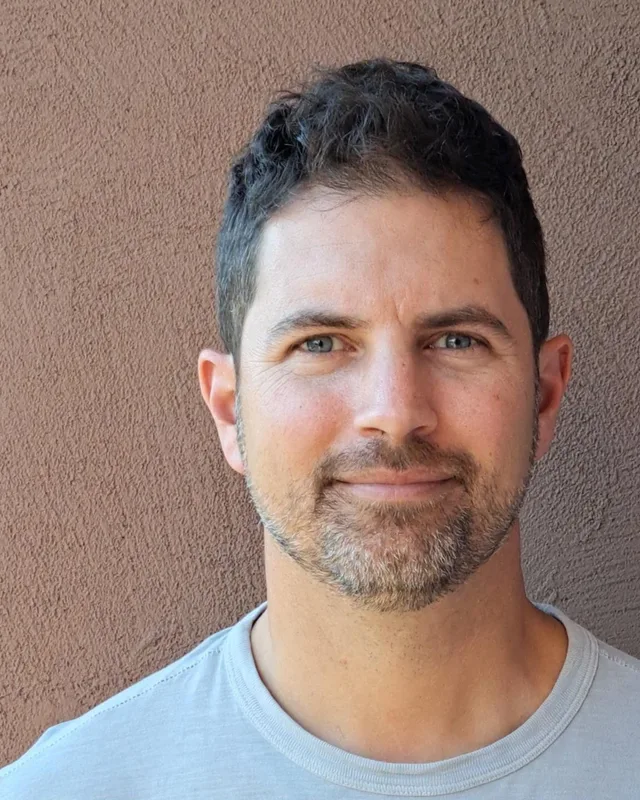
This record covers Josh Gordon, ballot number 150 for Vancouver City Council with TEAM for a Livable Vancouver. It draws on the campaign page, TEAM's releases and a campaign video that quote him, the City's candidate list, and independent records of his housing research at Simon Fraser University and his work at Statistics Canada.
The score counts how complete and checkable the published plan on this issue is. Whether the plan would work is a separate question, left to the reader. Measured October 3, 2026. The same seven points apply to every candidate for this office.
Housing supply and rental rules3/10
2/2
A position in the candidate’s own words
“TEAM is the only party that wants to ensure that residents are empowered in relation to big land use decisions”
The questionnaire has not been sent yet. No candidate has this point.
TEAM for a Livable Vancouver’s platform on housing: 9 commitments, at least one with a number. Party text earns the candidate the position point only.
What this office controls. Council sets zoning, approves rezonings and development permits, and makes rental and tenant-protection bylaws under the Vancouver Charter. The province sets rent increase limits and tenancy law.
“He is also interested in addressing the longstanding issues around addiction and mental health in the DTES and elsewhere in the city – taking a new approach focused on treatment and prevention.”
The questionnaire has not been sent yet. No candidate has this point.
TEAM for a Livable Vancouver’s platform on homelessness and drugs: 3 commitments, none with a number. Party text earns the candidate the position point only.
What this office controls. Council funds shelter sites, street cleaning and city outreach, and decides where supportive housing is approved. Health services, treatment beds and drug policy are provincial and federal.
Party platform; candidate not quoted. TEAM for a Livable Vancouver publishes 4 commitments on this issue.
0/2
Names a mechanism the office controls
Party text earns no points here; the statement must be the candidate’s own.
0/2
States a measurable target
Party text earns no points here; the statement must be the candidate’s own.
0/1
States a cost or funding source
Party text earns no points here; the statement must be the candidate’s own.
0/1
States a timeline
Party text earns no points here; the statement must be the candidate’s own.
0/1
A dated, sourced action on the issue
No dated public action on this issue found.
0/1
Answered the voche.me question on the issue
The questionnaire has not been sent yet. No candidate has this point.
TEAM for a Livable Vancouver’s platform on public safety: 4 commitments, none with a number. Party text earns the candidate the position point only.
What this office controls. Council approves the police budget. The Vancouver Police Board, not Council, directs the police department. Fire and rescue services report to the city.
Party platform; candidate not quoted. TEAM for a Livable Vancouver publishes 5 commitments on this issue.
0/2
Names a mechanism the office controls
Party text earns no points here; the statement must be the candidate’s own.
0/2
States a measurable target
Party text earns no points here; the statement must be the candidate’s own.
0/1
States a cost or funding source
Party text earns no points here; the statement must be the candidate’s own.
0/1
States a timeline
Party text earns no points here; the statement must be the candidate’s own.
0/1
A dated, sourced action on the issue
No dated public action on this issue found.
0/1
Answered the voche.me question on the issue
The questionnaire has not been sent yet. No candidate has this point.
TEAM for a Livable Vancouver’s platform on transport: 5 commitments, none with a number. Party text earns the candidate the position point only.
What this office controls. The city owns and designs its streets, bike lanes, sidewalks and parking rules. Buses, SkyTrain and SeaBus are run by TransLink, a regional body the city does not control.
Party platform; candidate not quoted. TEAM for a Livable Vancouver publishes 5 commitments on this issue.
0/2
Names a mechanism the office controls
Party text earns no points here; the statement must be the candidate’s own.
0/2
States a measurable target
Party text earns no points here; the statement must be the candidate’s own.
0/1
States a cost or funding source
Party text earns no points here; the statement must be the candidate’s own.
0/1
States a timeline
Party text earns no points here; the statement must be the candidate’s own.
0/1
A dated, sourced action on the issue
No dated public action on this issue found.
0/1
Answered the voche.me question on the issue
The questionnaire has not been sent yet. No candidate has this point.
TEAM for a Livable Vancouver’s platform on taxes and budget: 5 commitments, none with a number. Party text earns the candidate the position point only.
What this office controls. Council sets the property tax rate each year, approves the operating budget, and approves the multi-year capital plan that pays for buildings and infrastructure.
Party platform; candidate not quoted. TEAM for a Livable Vancouver publishes 7 commitments on this issue.
0/2
Names a mechanism the office controls
Party text earns no points here; the statement must be the candidate’s own.
0/2
States a measurable target
Party text earns no points here; the statement must be the candidate’s own.
0/1
States a cost or funding source
Party text earns no points here; the statement must be the candidate’s own.
0/1
States a timeline
Party text earns no points here; the statement must be the candidate’s own.
0/1
A dated, sourced action on the issue
No dated public action on this issue found.
0/1
Answered the voche.me question on the issue
The questionnaire has not been sent yet. No candidate has this point.
TEAM for a Livable Vancouver’s platform on climate: 7 commitments, at least one with a number. Party text earns the candidate the position point only.
What this office controls. Vancouver has its own building bylaw under the Vancouver Charter, so Council can set energy and emissions rules for new buildings that other BC cities cannot.
The questionnaire has not been sent yet. No candidate has this point.
TEAM for a Livable Vancouver’s platform on culture: 6 commitments, none with a number. Party text earns the candidate the position point only.
What this office controls. The city licenses venues and events, sets noise and business rules, and funds cultural grants and spaces. Liquor licensing is shared with the province.
The questionnaire has not been sent yet. No candidate has this point.
TEAM for a Livable Vancouver’s platform on child care: 2 commitments, at least one with a number. Party text earns the candidate the position point only.
What this office controls. The city creates child care spaces through zoning, city-owned buildings and development contributions. Licensing, subsidies and operating funding are provincial.
No position found by voche.me as of October 3, 2026.
0/2
Names a mechanism the office controls
No statement to read.
0/2
States a measurable target
No statement to read.
0/1
States a cost or funding source
No statement to read.
0/1
States a timeline
No statement to read.
0/1
A dated, sourced action on the issue
No dated public action on this issue found.
0/1
Answered the voche.me question on the issue
The questionnaire has not been sent yet. No candidate has this point.
What this office controls. Council issues business licences, sets licence and permit fees, zones commercial and industrial land and approves business improvement areas under the Vancouver Charter. Employment law, sales taxes and income taxes are provincial and federal.
The questionnaire has not been sent yet. No candidate has this point.
What this office controls. Council, the Park Board and the Board of Education each set their own meeting rules, committees, public consultation and reporting. The Vancouver Charter and the School Act create the three bodies and set their powers, and only the Province can change those acts.
On dates without a confirmed appearance the public schedule is unknown; the candidate may still have activities that day. This static page changes only when its research is updated.
01 / Introduction
About Josh Gordon
Josh Gordon appears on the City of Vancouver's final 2026 candidate list for City Council, with ballot number 150. The City records the affiliation as TEAM for a Livable Vancouver.
A UBC Library listing for a Statistics Canada presentation on February 13, 2024 names Gordon as a Senior Analyst with the Canadian Housing Statistics Program at Statistics Canada, says he was an assistant professor at Simon Fraser University's School of Public Policy before that, and says he received his PhD from the University of Toronto in 2012. Statistics Canada published a housing article under the name Joshua Gordon on December 3, 2024, on real estate investors among home buyers in Nova Scotia, New Brunswick and British Columbia.
Gordon appears at ballot number 150 in the City Council race as a TEAM for a Livable Vancouver candidate, in the ballot order Daily Hive published on September 22, 2026.
TEAM for a Livable Vancouver endorsed Gordon as a council candidate at its nomination meeting on July 30, 2026, announced in a party post dated August 4, 2026, alongside Patrick Sauriol for council.
The campaign page says Gordon grew up in Kitsilano, studied political science and economics at the University of British Columbia, and now lives in East Vancouver.
The campaign page says Gordon holds a PhD in political science from the University of Toronto.
Global News described Gordon in August 2017 as an assistant professor at Simon Fraser University's School of Public Policy who had written widely on Metro Vancouver housing. The Georgia Straight used the same description in a November 2018 opinion piece published under Gordon's byline.
The campaign page says Gordon joined Statistics Canada in 2021, worked on housing data, and now works on measuring poverty in Canada. The party post describes the current job as statistician for the federal government.
In a campaign video TEAM published on August 6, 2026, Gordon says he now works at Statistics Canada and has been given permission to run as a political candidate.
voche.me assembled this profile from the official candidate list and the campaign material linked under Sources. The campaign has not been contacted, and no candidate-supplied content appears on this page.
Published positions and selected commitments, separated by election cycle. Status labels describe the evidence reviewed, not a numerical score or a complete audit of the platform. Council approval is different from delivery.
16 commitments shown · Checked Oct 3
2026 · GovernanceCampaign pledge
Binding neighbourhood say on large zoning changes
The campaign page says Gordon supports governance changes that would give residents of each neighbourhood direct, binding democratic input on any large-scale zoning change. In the party's announcement Gordon said TEAM is "the only party that wants to ensure that residents are empowered in relation to big land use decisions".
Evidence & next checks
Evidence reviewed
Both the campaign page and the party announcement state the position. Neither explains what form the binding input would take, who would be eligible to vote, or how it would fit with provincial housing legislation.
What still needs checking
The mechanism: a referendum, a neighbourhood council, or something else, and whether a city can make such a vote binding.
The campaign page says housing and land use planning are Gordon's central policy interests, based on more than a decade of research on the Vancouver real estate market.
Evidence & next checks
Evidence reviewed
The campaign page states the focus. It does not set out a housing target, a zoning change, or a tax measure Gordon would bring to council.
What still needs checking
Which specific housing measures Gordon would put forward in a first term.
Treatment and prevention for addiction and mental health
The campaign page says Gordon wants a new approach to addiction and mental health in the Downtown Eastside and elsewhere in the city, centred on treatment and prevention.
Evidence & next checks
Evidence reviewed
The campaign page states the direction. It names no program, no cost, and no agreement with the province, which funds and runs most health services.
What still needs checking
What a city council can fund or change here, given that health care is a provincial responsibility.
The campaign page says Gordon's public policy research background is meant to bring data into local government decisions. Gordon said in the party announcement that TEAM's leadership and membership are committed to evidence-based policy.
Evidence & next checks
Evidence reviewed
Both sources state the aim. Neither names a reporting rule, data set or review process Gordon would introduce.
What still needs checking
What Gordon would change in how council receives and publishes evidence for its decisions.
Bylaw enforcement, a Downtown Eastside audit and care beds
TEAM's safety page says the party would enforce bylaws against public disorder, set up an audit of the Downtown Eastside, increase support for community policing such as Block Watch, and work with the Province so people with complex needs get care, including voluntary and involuntary beds.
Evidence & next checks
Evidence reviewed
This is the party's published position, on TEAM's safety page. The page does not name Gordon, and gives no cost, staffing number or date. Asking the Province to fund care beds is not a step Council takes on its own vote.
What still needs checking
How the Downtown Eastside audit would be funded and staffed, and by when.
TEAM's transportation page says the party would maintain roads for drivers, transit, cycling and walking, expand bus service into under-served neighbourhoods, oppose city-wide parking permits, repair sidewalks and improve pedestrian lighting, and restore minimum off-street parking requirements for new buildings.
Evidence & next checks
Evidence reviewed
This is the party's published position, on TEAM's transportation page. It names no candidate, no number of new bus stops and no date.
What still needs checking
Which streets get new sidewalks and lighting first, and what the parking reversal would cost builders.
Limit tax increases and review the budget service by service
TEAM's finance page says the party would limit tax increases to what core services need, review the operating and capital budgets service by service, set up a lobbyist registry, stop spending city money on provincial and federal responsibilities, and require departments to publish annual service plans with performance benchmarks.
Evidence & next checks
Evidence reviewed
This is the party's published position, on TEAM's finance page. It names no candidate, no dollar figure and no date for the review.
What still needs checking
How much the budget review would find, and when a lobbyist registry would open.
A moratorium on AI data centres and other climate measures
TEAM's environment page says the party would pause approvals for AI data centres while rules are worked out, offer incentives rather than mandates for building retrofits, prioritise reusing buildings over demolishing them, expand tree planting, work with TransLink to electrify the bus fleet, and work with BC Hydro on its step electricity rates.
Evidence & next checks
Evidence reviewed
This is the party's published position, on TEAM's environment page. It names no candidate, no number of buildings or trees, and no date.
What still needs checking
How long the data centre pause would last, and how many buildings the retrofit incentives would reach.
TEAM's schools page says the party would put child care on school sites, aiming toward an early education program for all 3 and 4 year olds, and use space in underused school buildings for child care, seniors care or community programs.
Evidence & next checks
Evidence reviewed
This is the party's published position, on TEAM's schools page. It names no candidate, no number of spaces and no date. Child care on school land is a School Board decision, not a Council one, so this describes the party's wider platform rather than a Council power.
What still needs checking
How many child care spaces this would add, and by when.
In a TEAM release dated September 4, 2026, Gordon says that if TEAM is elected it will hold the developer Wesgroup accountable and make sure the promised River District community centre and child care facility are delivered.
Evidence & next checks
Evidence reviewed
The release quotes Gordon by name. It gives no number of child care spaces, no cost and no date for the child care part, and it does not say which Council tool would make the developer build it.
What still needs checking
How many child care spaces the River District facility would hold, and what Council could do if the developer still says the project cannot go ahead.
Build the River District community centre by the end of the term
The same TEAM release says the party commits to getting the River District community centre built by the end of its term if it wins a majority on Council. Gordon is quoted saying residents have waited long enough.
Evidence & next checks
Evidence reviewed
The release names a deadline, the end of the term, and makes it depend on a TEAM majority. It gives no cost. Community centres are not one of the issues voche.me scores for City Council, so this entry earns no points.
What still needs checking
Whether the developer or the City would pay for the building, and how much it would cost.
Resident input at every stage of neighbourhood change
In a campaign speech TEAM published on August 6, 2026, Gordon says residents and their concerns should be part of policy at every stage, and that any plan to change a neighbourhood in a large way needs clear ways for residents to hold decision makers to account. He criticizes City Hall for wanting to give up public hearings.
Evidence & next checks
Evidence reviewed
voche.me read the speech from YouTube's automatic captions, which can mishear words. Gordon does not name a rule, a bylaw change or a date, and does not say how resident input would work.
What still needs checking
Which Council rules Gordon would change to keep or expand public hearings.
In the same speech Gordon rejects wide rezoning for more density with less resident input, and says the City has weakened its practice of taking public benefits, such as community centres, from owners when land is rezoned for more building.
Evidence & next checks
Evidence reviewed
voche.me read the speech from YouTube's automatic captions. Gordon names no charge rate, no dollar figure and no date for any change.
What still needs checking
What share of the value added by a rezoning Gordon thinks the City should collect, and how.
An economic development agency and a $4 million shopping street fund
TEAM's economic plan says the party would create a Vancouver Economic Development Agency, separate from City Hall, to attract investment and head offices, set up a $4 million fund to restore neighbourhood shopping streets, and support sectors beyond real estate such as technology, life sciences, film and tourism.
Evidence & next checks
Evidence reviewed
This is the party's published position, in a release dated September 10, 2026. It does not name Gordon and gives no date or yearly budget for the agency.
What still needs checking
What the agency would cost each year and when the shopping street fund would open.
Repeal citywide and area plans and return to neighbourhood planning
Daily Hive reported on July 16, 2026 that TEAM promised, if it forms a Council majority, to repeal up to six City plans, including the Vancouver Official Development Plan, the Broadway Plan and the Rupert and Renfrew Station Area Plan, and replace them with neighbourhood-based planning and neighbourhood planning offices.
Evidence & next checks
Evidence reviewed
This is a party promise announced before Gordon joined the slate, and the article does not name him. Daily Hive notes that the province requires the City to have an Official Development Plan, and that the Broadway Plan is part of an agreement tied to the Broadway subway.
What still needs checking
What would happen to building applications already filed under these plans.
Each entry below names its source. Campaign material is the candidate's own account. Nothing here is presented as a verified outcome unless the entry says so.
Study published in Canadian Public Policy
Published research on foreign ownership and housing prices
Gordon published a study called "Reconnecting the Housing Market to the Labour Market: Foreign Ownership and Housing Affordability in Urban Canada" in the journal Canadian Public Policy in March 2020. The study says a continuing, steep tax on foreign-owned housing is needed in Vancouver and Toronto, and points to British Columbia's foreign buyer tax and Speculation and Vacancy Tax as examples.
Scope, limits and sources
Read from the copy of the article Gordon filed as an exhibit with the Cullen Commission, since the journal's own page blocks automated reads. The taxes it recommends are provincial, not a measure Vancouver City Council can adopt on its own vote, so this is recorded as a dated piece of work rather than as a commitment on a Council issue.
Testified before a provincial commission of inquiry
Expert testimony to the Cullen Commission on housing prices
Gordon answered questions as an expert witness, together with two other university researchers, before the Cullen Commission, British Columbia's public inquiry into money laundering, about how money from outside Canada affects housing prices in Vancouver and Toronto. The Commission entered his biography, his March 2020 study and a set of his slides into the record as exhibits.
Scope, limits and sources
Read from the Commission's own published transcript of the hearing. voche.me matches this witness to the 2026 candidate through the shared name and the same Simon Fraser University School of Public Policy role stated in both the transcript and the campaign page.
Study published in the Journal of Ethnic and Migration Studies
Co-authored study on the politics of housing affordability
Gordon, David Ley and Andy Yan published a study arguing that limits on foreign capital in housing have been wrongly called racist, and defending British Columbia's foreign buyer tax and Speculation and Vacancy Tax. Pique Newsmagazine reported on the study on March 31, 2025.
Scope, limits and sources
voche.me has not read the journal article itself, which sits behind a paywall; this entry is based on Pique Newsmagazine's report, which names Gordon as a co-author and quotes the study directly. The taxes discussed are provincial, not a measure Vancouver City Council can adopt on its own vote.
CBC News, carrying a Canadian Press report, wrote on May 8, 2016 that Gordon, then an assistant professor at Simon Fraser University's School of Public Policy, was the author of a study that blamed Vancouver's housing crisis on foreign buyers, especially from China, and proposed a policy response.
Scope, limits and sources
The taxes and rules the study discusses belong to the provincial and federal governments. It is recorded as a dated piece of research work.
Statistics Canada article on real estate investors among buyers
Statistics Canada published an article by Joshua Gordon on December 3, 2024 that measures how many home buyers in Nova Scotia, New Brunswick and British Columbia from 2018 to 2020 were investors, and which kinds of homes they bought.
Scope, limits and sources
voche.me matches the author to the candidate through a UBC Library event listing from February 2024, which names Josh Gordon as a Senior Analyst with Statistics Canada's Canadian Housing Statistics Program and a former Simon Fraser University assistant professor. The article was written as part of his federal job and states no position on Vancouver City Council decisions.
Read original statements and reporting, or open the publisher’s video. A summary of a speech is labelled separately from a full recording.
Statement
Vancouverites don't need re-education about foreign ownership and housing affordability
In an opinion piece published under Gordon's byline in the Georgia Straight, Gordon argued that foreign ownership should be measured by where the money comes from rather than by the buyer's citizenship, criticised the method used in a February 2018 CMHC report, and supported British Columbia's speculation and vacancy tax.
In a six and a half minute video TEAM published, Gordon speaks to an audience about his housing research and says the push to rezone the whole city for more density, with less resident input and less public benefit, should be rejected. He says City Hall describes six to eight storey buildings as low-rise and wants to give up public hearings, and that residents should have a say at every stage. The video does not say where or when the speech was given.
In a TEAM release, Gordon says City Hall keeps helping the River District housing development move ahead while residents wait for the community centre the developer Wesgroup promised for 2025, and that a TEAM Council would hold Wesgroup to the promise.
Records are labelled by type, including official findings, civil proceedings and political disputes where applicable. Each entry identifies the response found in the sources and the latest status verified for this page.
No reviewed entries have been added to this section yet. This is a research gap, not a finding about the candidate.
News coverage / Original publishers
Read the reporting
A dated reading list from independent publishers. The headings below are voche.me summaries; follow each link for the original article, context and any corrections.
Reporting
Global News
SFU prof argues B.C.'s foreign buyers' tax was set up to fail
Simon Little reported Gordon's view, one year after the foreign buyers tax started, that prices fell about 4 percent in the first six months before first-time buyer loans and work permit exemptions pushed demand back up. Gordon said Toronto's version of the tax worked because no offsetting programs followed it.
Study challenges claims foreign buyer taxes are racist
Graeme Wood reports on the study Gordon co-authored with David Ley and Andy Yan, which argues that foreign buyer and speculation taxes have been wrongly characterized as racist and that foreign capital drove up prices first in Vancouver, then in Toronto.
Study argues foreign buyers are crushing Vancouver home dreams as governments stand by
A Canadian Press report carried by CBC News on Gordon's 2016 study, quoting him as saying the report points to foreign buyers because that is where the evidence points, and that other countries such as Australia and Singapore have policies on foreign buyers that Canada lacks.
Sources checked October 3, 2026. Official records establish decisions; campaign material establishes stated positions; reporting adds investigation and context. None alone establishes every claim.
Gordon's VoteMate profile, read again on October 3, 2026, shows TEAM's party promises but no biography or answers written by him. The City's councillor candidate list, read through a reader service on October 3, 2026, gives no social media and no contact for him. His nomination papers at vancouver.ca/files/cov/gordon-josh-councillor-nomination-papers-2026.pdf have not been read; a person must open them. The exact start and end years of the Simon Fraser University appointment were not confirmed by any independent source; the campaign page gives seven years. The campaign page says his current Statistics Canada work is on measuring poverty; the only independent listing found, from February 2024, places him in the housing statistics program. The Pique Newsmagazine report on his 2025 study describes him as a visiting research fellow at McMaster University's Digital Society Lab, a role the campaign page does not mention. His campaign video was read from YouTube's automatic captions, which can mishear words; a person who watches it can check the quoted lines. In the Women Transforming Cities pledge table, read by eye because it is an image, Gordon's row is blank for all six asks, which the table's key marks as no response. No reply from him was found in the HUB Cycling candidate responses for Vancouver. The Mount Pleasant all candidates meeting of September 23, 2026 listed a TEAM council speaker spelled "Josh Girdon"; no report found by voche.me shows who spoke, so it is not recorded as an appearance. X and Bluesky accounts under the name Josh Gordon were read on September 26, 2026 and belong to other people. No news story naming Gordon from the 2026 campaign was found beyond Daily Hive's August 6, 2026 report on the expanded slate.
Research status
What voche.me has checked
Evidence reviewed on September 22, 2026: Current campaign material; biographical claims require corroboration.
Campaign page read on September 22, 2026. 4 stated positions and 3 background facts recorded here, each checked against a quotation from that page.
Checks still to do: Verify professional roles and separate research findings, employer positions and personal campaign views.
The ballot name, office, ballot number and party label come from the City's final candidate list. Everything described as campaign material is the campaign's own account and has not been confirmed by an independent source.
Second review on October 3, 2026: TEAM's releases, its YouTube video of Gordon, VoteMate, the City's candidate list, the Women Transforming Cities pledge, HUB Cycling's candidate responses and forum listings were read again, and his Statistics Canada role was checked against a UBC Library listing and a Statistics Canada publication.
03 / Background
Experience & community
Seven years, end date not given
Assistant Professor, School of Public Policy, Simon Fraser University
The campaign page says Gordon spent seven years in this role. News coverage in August 2017 and an opinion piece in November 2018 both describe Gordon as holding that post at the time.
The campaign page says Gordon joined in 2021 to work on housing data and currently works on measuring poverty in Canada. A UBC Library event listing from February 2024 names him as a Senior Analyst with Statistics Canada's Canadian Housing Statistics Program.
The campaign page says Gordon has more than a decade of research on the Vancouver real estate market. In 2017 Gordon argued in Global News coverage that British Columbia's foreign buyers tax lowered prices by about 4 percent in six months before other government programs pushed demand back up.
The campaign page says Gordon holds a PhD in political science from the University of Toronto. A UBC Library event listing from February 2024 gives 2012 as the year he received it.
Proposed questions for a future interview. They have not been sent to the candidate, and no answers have been supplied.
Which housing indicators would determine whether your policies are succeeding?
No response has been submitted.
Which of your proposals can council enact directly, and which require provincial, federal or regional agreement?
No response has been submitted.
Have your own question?
Ask Josh Gordon directly. We send it to the campaign, and publish the reply here if we get one.
05 / About this page
Questions about this page
Facts voche.me can state about Josh Gordon's page itself, answered directly rather than left blank.
Is this an official page for Josh Gordon?
No. This page is researched by voche.me from public sources, listed below, and is separate from Josh Gordon's own campaign.
What is Josh Gordon's ballot number for the 2026 Vancouver election?
Josh Gordon is number 150 on the City of Vancouver's official 2026 ballot for City Council.
What party did Josh Gordon run with?
Josh Gordon ran for City Council with TEAM for a Livable Vancouver.
Does Josh Gordon currently hold public office?
Not according to this profile. voche.me has not listed a current public office for Josh Gordon.
How many sources does this Josh Gordon profile cite?
This profile lists 2 sourced references, each with the date voche.me checked it, in the Sources section below.
Has Josh Gordon filed nomination papers for the 2026 election?
voche.me has not yet added a nomination record for Josh Gordon. This does not mean no nomination paper was filed, only that voche.me has not completed that research yet.
Why do some questions on Josh Gordon's page show no answer?
The "Questions & answers" section on this page lists questions voche.me would put to Josh Gordon in a future interview. They have not been sent yet, so the page says plainly that no answer has been supplied instead of leaving the section blank.
When was the election Josh Gordon ran in?
The 2026 Vancouver municipal election, including the City Council race, was decided on October 17, 2026.
06 / Candidate contributions
Space for campaign updates
Second review: River District pledge, campaign speech, Statistics Canada record
voche.me read every TEAM release from July 28 to September 28, 2026 for Gordon's name. A September 4 release quotes him on the River District community centre and child care facility, now two commitments. A campaign video TEAM published on August 6 gives his views on rezoning, public benefits and resident input, now two commitments and a talk. A UBC Library listing and a December 2024 Statistics Canada article confirm his Statistics Canada role and his 2012 PhD from an independent source; the biography paragraph that repeated the campaign page is replaced with this. A 2016 CBC News report on his study of foreign money and house prices is added. TEAM's economic plan and its promise to repeal six City plans are added as party positions that do not name him. The Mount Pleasant meeting of September 23 is removed from the calendar: the organizer listed "Josh Girdon" and no source shows Gordon took part. The October 13 food systems town hall is added as unconfirmed.
Score review of every commitment
voche.me checked each commitment against the archived page it cites and tagged it by issue and by whose words it is. Four pairs of commitments on the record restated the same sentence on the campaign page twice, under two different titles, so each pair is now one entry: the binding neighbourhood vote, the focus on housing and land use, addiction treatment and prevention, and nightlife for younger residents.
Gordon's published housing research found
voche.me searched for Gordon's own academic writing, since the campaign page describes him as a housing researcher. A March 2020 study in Canadian Public Policy and a March 2025 study in the Journal of Ethnic and Migration Studies, co-authored with David Ley and Andy Yan, were confirmed, along with testimony Gordon gave as an expert witness to the Cullen Commission, the province's public inquiry into money laundering in British Columbia, on February 18, 2021. These are recorded as a dated public record on the housing issue. They are not recorded as a 2026 campaign commitment, because the taxes they discuss are provincial, not a Council power, and none of the pages ties this research to the 2026 candidacy in the candidate's own words.