Ward by ward: how Olivia Chow built the coalition that won Toronto's 2026 election
Chow won 19 of 25 wards and 860 of 1,223 polling stations, drawing renters, transit riders and lower-income Torontonians to a 46 per cent turnout the city had not seen since 2014.
Long read. The subject the most local outlets covered that day, with the public record behind it. Every outlet and record is linked under the story. Read the original report on torontotoday.ca.
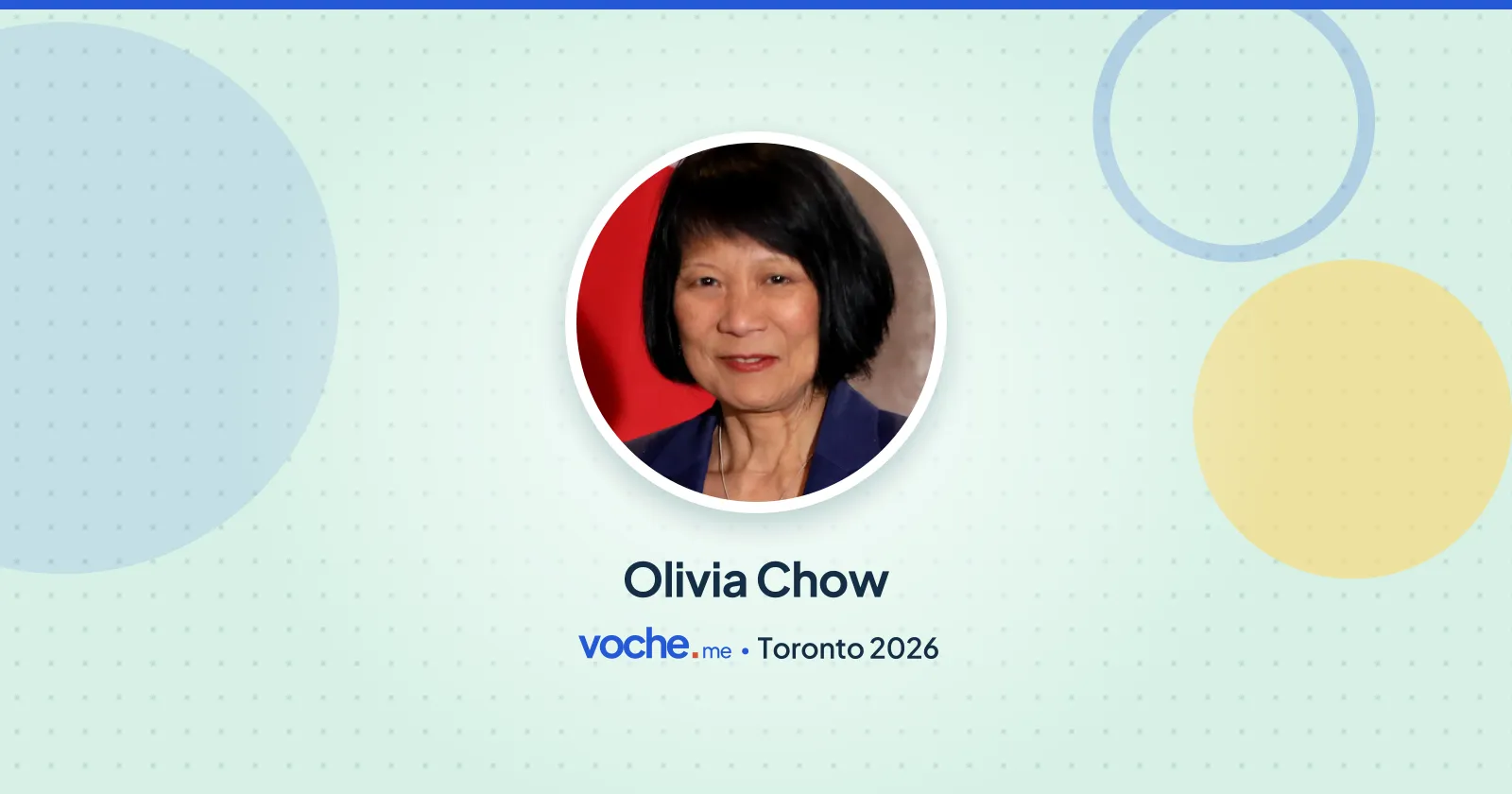
Olivia Chow won 19 of Toronto's 25 wards on October 26, 2026, and carried 860 of 1,223 polling stations across the city, according to a ward-level analysis by TorontoToday. Brad Bradford held six wards in Etobicoke and North York. The result gave Chow 532,201 certified votes against Bradford's 404,013, out of 982,660 total votes counted across 1,431 polling places.
The City Clerk, John D. Elvidge, certified 989,990 ballots cast on October 29, 2026, confirming what the ward results had already shown: a wide geographic and demographic margin.
Where the votes came from
The geography of the result followed lines of housing tenure and income, TorontoToday reported. Chow's strongest support came from wards with more renters, transit riders and lower-income residents. Bradford carried Etobicoke Centre, Etobicoke-Lakeshore, York Centre, Eglinton-Lawrence, Don Valley West and Willowdale, areas where homeownership and car ownership are higher than the city average.
Pollster David Valentin of Liaison Strategies told TorontoToday that the demographic split was clear and consistent. "What you see is a pretty clean division between people who rely on the city for services and people who feel they don't depend on it as much," Valentin said, as reported by TorontoToday.
That split showed up at the polling station level too. Chow won 860 of 1,223 polling stations to Bradford's 363, meaning she built majorities even inside several wards Bradford carried overall, TorontoToday reported.
Chow's campaign focused on transit fares, affordable housing and renter protections. Her platform committed to capping TTC fares after 10 paid rides in a week and to freezing fares for a fourth consecutive year. TorontoToday reported that those issues resonated most in the inner city, where many residents do not own a car.
Bradford campaigned on fiscal restraint, public safety and faster city building approvals. TorontoToday reported that his support was concentrated among homeowners in the outer suburbs who felt property taxes and city fees had risen too fast.
The divide also tracked the 2023 byelection geography, TorontoToday noted, though Chow's margins grew in many of the wards she had already won. Her 532,201 votes in 2026 compared with 269,372 in 2023 show the coalition expanded well beyond its 2023 base.
The campaign behind the numbers
The Chow campaign built a ground operation that TorontoToday described as one of the largest in Toronto municipal history. Campaign manager Karla Webber-Gallagher told TorontoToday the team deployed more than 3,000 volunteers, made 1.5 million phone calls and placed more than 10,000 lawn signs across the city.
Campaign spokesperson Shirven Rezvany told TorontoToday that the volunteer numbers were essential in the final week, when several polls put Bradford ahead.
"The polls showing Brad ahead energized people," Rezvany told TorontoToday. "Volunteers were calling and knocking more because they believed it was close."
Laryssa Waler of the Bradford campaign told TorontoToday that Bradford had made inroads with voters who had supported Chow in 2023, particularly on concerns about public safety and the city's finances.
The late-campaign polling that showed Bradford leading narrowed the gap in the final days, Valentin told TorontoToday. But Chow's ground operation held the wards where she needed to win.
Turnout at its highest in more than a decade
The 46 per cent turnout was the third highest since amalgamation, TorontoToday reported, and an 8 point rise from the 38 per cent recorded in the 2023 byelection. With 2,143,771 eligible voters, the City Clerk's office certified a total of 989,990 ballots cast on October 29, 2026.
Dennis Pilon, a political scientist at York University, told TorontoToday that the high turnout reflected how much was at stake for different groups of voters.
"When people believe the outcome affects them directly, they show up," Pilon told TorontoToday. "Housing costs, transit fares and public safety are daily issues for a large part of this city."
Pilon told TorontoToday that the closeness of the race kept volunteers and voters engaged through election day in a way that a less competitive contest would not have.
Community organizations that work with tenants, newcomers and transit riders reported their highest turnout drives in years, TorontoToday noted. The combined effect pushed participation well above what any single campaign could have produced on its own.
Chow's record in full numbers
Chow's 532,201 votes set a record for any mayoral candidate in Toronto municipal election history, according to TorontoToday. In the 2023 byelection she received 269,372 votes, nearly half her 2026 total. TorontoToday also noted she is the first woman to win a second term as mayor of Toronto.
The official vote count from the City's results site shows Chow at 54.16 per cent of votes cast in the mayoral race, and Bradford at 41.11 per cent, out of 982,660 valid votes. The difference between that figure and the 989,990 total ballots certified by the Clerk is 7,330, which represents ballots that were blank or rejected.
What comes next
Under section 6 (1) of Ontario's Municipal Elections Act, 1996, the new four-year term begins on November 15, 2026. The first meeting of the new City Council is scheduled for November 18 and 19, set by section 27-5.1 of the Toronto Municipal Code.
Chow used her victory speech on October 26 to repeat her main second-term commitments: improving TTC affordability, building more affordable rental housing, protecting renters and investing in public safety. The 25 city councillors and school trustees elected alongside her each bring their own commitments to the new term.
Residents who want to follow whether Chow and councillors deliver on their campaign commitments can track them at /on/toronto-2026/tracker. Full ward results are at /on/toronto-2026/results.
Questions this story answers
How many wards did Olivia Chow win in the 2026 Toronto election?
TorontoToday reported that Chow won 19 of 25 wards and 860 of 1,223 polling stations. Brad Bradford carried six wards: Etobicoke Centre, Etobicoke-Lakeshore, York Centre, Eglinton-Lawrence, Don Valley West and Willowdale.
What were the official vote totals in Toronto's 2026 mayoral race?
The City of Toronto's unofficial results show Olivia Chow received 532,201 votes (54.16 per cent) and Brad Bradford received 404,013 votes (41.11 per cent), from 982,660 total votes cast across 1,431 polling places. The City Clerk certified a total of 989,990 ballots cast, which includes spoiled and blank ballots.
What was Toronto's voter turnout in the 2026 election?
According to TorontoToday, the 46 per cent turnout was the third highest since amalgamation and up from 38 per cent in the 2023 byelection in which Chow first won the mayoralty. There were 2,143,771 eligible voters and 989,990 ballots cast, according to the City Clerk's certification.
Which areas of Toronto voted for Chow and which voted for Bradford?
TorontoToday reported that Chow's support was strongest in areas with more renters, transit riders and lower-income residents. Bradford's six wards were in the western and northern parts of the city: Etobicoke Centre, Etobicoke-Lakeshore, York Centre, Eglinton-Lawrence, Don Valley West and Willowdale, areas with higher rates of car ownership and homeownership.
How large was Chow's campaign operation?
TorontoToday reported that the Chow campaign had more than 3,000 volunteers, made 1.5 million phone calls and placed more than 10,000 lawn signs. Campaign manager Karla Webber-Gallagher and campaign spokesperson Shirven Rezvany were quoted in the article.
Who certified the 2026 Toronto election results?
City Clerk John D. Elvidge certified the results on October 29, 2026, according to the City of Toronto's news release. The new four-year term begins November 15, 2026, and the first meeting of the new City Council is scheduled for November 18 and 19.
How did Chow's 2026 vote total compare to her 2023 result?
Chow received 532,201 votes in October 2026, compared to 269,372 in the June 2023 byelection, nearly double her total from three years earlier. TorontoToday noted the 2026 total set a record for any mayoral candidate in a Toronto municipal election.
Where can I see the full ward-by-ward results for the 2026 Toronto election?
The full ward results for the 2026 Toronto election are at /on/toronto-2026/results, built from the City of Toronto's own results file. Each ward shows the winning councillor and the vote totals for every candidate. The City Clerk's certified totals are in the City's news release listed in the sources.
Sources
The pages this story draws on. Open one to check a claim yourself.
- TorontoToday: How Olivia Chow won the 2026 electiontorontotoday.ca
- City of Toronto: Toronto City Clerk certifies 2026 Toronto municipal election resultstoronto.ca
- City of Toronto: 2026 unofficial mayoral resultselectionresults.toronto.ca
- City of Toronto: Fact sheet, 2026 Toronto municipal electiontoronto.ca
Found an error? Tell the editors with the corrections form. A correction is noted on the story it changes. Read our standards.


