Chow's first stated post-election priority: start round two of Toronto's rental homes program
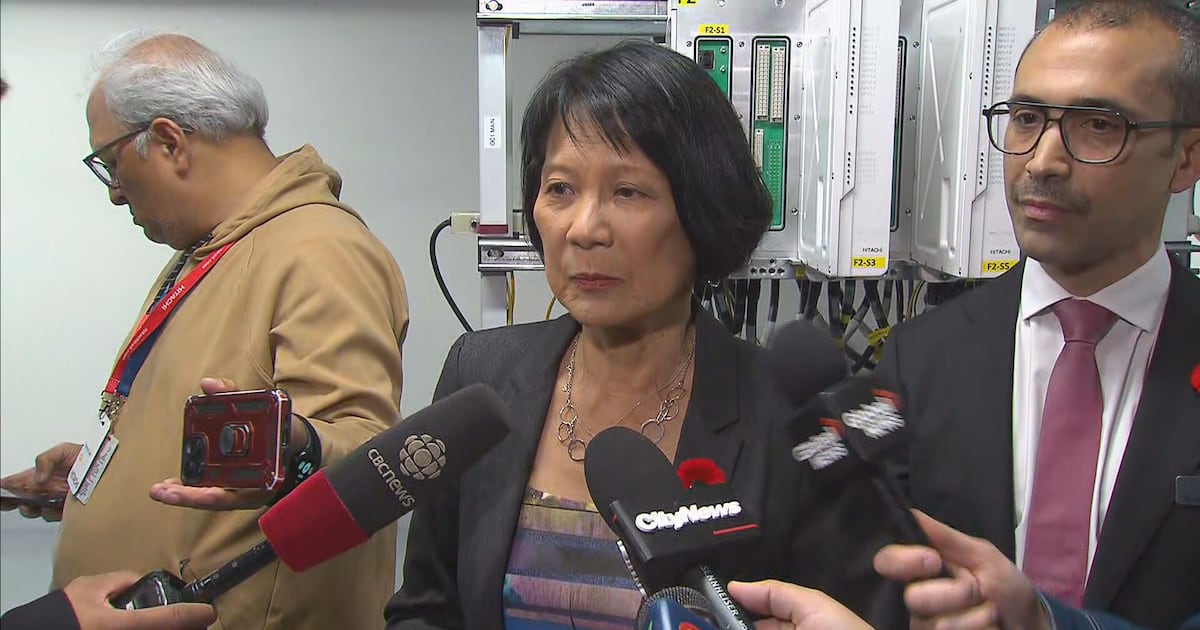
Mayor-elect Olivia Chow says her first order of business in her second term is bringing a plan for 10,000 new rental homes, including 2,000 affordable units, to council for a vote.
Reported. A news outlet found this. voche.me names the outlet and links its report. Read the original report on thetrillium.ca.

Mayor-elect Olivia Chow says her first stated order of business in her second term is bringing a plan to build 10,000 new rental homes in Toronto to city council for a vote, The Trillium reported on November 6.
The plan, called the Rental Housing Supply Program, offers developers tax cuts in exchange for agreeing to rent units at below-market rates for at least 40 years and start construction within 12 months. At least 2,000 of the 10,000 units are to be rented at below-market rates, as Chow promised during the October 2026 campaign.
The program is backed by a $1.5 billion deal Chow reached with Prime Minister Mark Carney and Premier Doug Ford in June. That money gave the city the financial room to fund the tax breaks needed for a second round.
What phase one showed
The first round of the program launched in November 2024 and drew 75 applications from developers in 11 days, totalling over 32,000 potential units. The city could only approve 17 projects with about 8,000 units before the money allotted to tax breaks ran out. Five developers who had planned condominiums converted those projects to purpose-built rentals because of the incentives.
The approved projects ranged from 33 units at 2760 Dundas St. W. to 1,818 units near Lake Shore Boulevard and Spadina Avenue, The Trillium reported.
"The response from the developers exceeded our wildest expectations," Chow said in December 2024, speaking about the first round.
Council vote still needed
The city has told developers to submit applications for round two, with a goal of 8,000 new market-rate rental units and 2,000 below-market units. But the program still needs council approval before it can formally proceed.
Chow expects the vote to pass. In 2024, the first round passed 23 to 1, with only Councillor Stephen Holyday (Etobicoke Centre) voting against.
The expected cost of the program is $460 million in lost tax revenue, according to The Trillium, citing figures the city has previously published.
What the first council meeting covers
Chow's second term begins with the first council meeting on November 18, 2026. That is the meeting at which Chow has said she intends to bring the rental homes plan for a council vote.
Toronto residents can follow Chow's rental homes promise and her other commitments for the term on her tracker page at /on/toronto-2026/tracker.
Questions this story answers
What is Olivia Chow's first stated post-election priority?
Mayor-elect Olivia Chow told The Trillium that her first order of business in her second term is bringing a plan to build 10,000 new rental homes, including at least 2,000 affordable units, to city council for a vote. She said she wants to do this at the first council meeting of her second term.
What is the Toronto Rental Housing Supply Program?
The Rental Housing Supply Program offers developers tax cuts in exchange for agreeing to rent units at below-market rates for at least 40 years and to start construction within 12 months of approval. The program is funded by the city giving up tax revenue, and round two is backed by a $1.5 billion deal the city reached with the provincial and federal governments in June 2026.
How did phase one of the program do?
Phase one of the Rental Housing Supply Program launched in November 2024 drew 75 applications from developers in 11 days, totalling over 32,000 potential units. The city could only approve 17 projects with about 8,000 units before the allocated funding ran out. Five developers who had planned condos converted their projects to purpose-built rentals because of the incentives.
What is the $1.5 billion deal Chow reached in June?
In June 2026, Mayor Chow reached a funding deal with Prime Minister Mark Carney and Premier Doug Ford worth $1.5 billion. That money gave the city the financial room to fund the tax breaks needed for round two of the rental housing program. Without that deal, Chow said the city could not afford to proceed.
Does council still need to approve round two of the program?
Yes. The city has invited developers to submit applications for round two, but the program itself still requires council approval before it can formally proceed. The Trillium reports that Chow expects the vote to pass. In 2024, the same motion passed 23 to 1, with only Councillor Stephen Holyday voting against.
What is the affordable housing component of the plan?
At least 2,000 of the 10,000 units in round two are to be rented at below-market rates, as Chow promised during the October 2026 campaign. CP24 reported the affordable commitment on October 27, 2026. Developers who qualify for the tax incentives must commit to maintaining those affordable rents for at least 40 years.
When is Olivia Chow sworn in and when is the first council meeting?
Mayor Chow's second term begins at the first meeting of the new city council on November 18, 2026. That is the meeting at which she said she intends to bring the rental homes plan for a council vote. The Municipal Elections Act, 1996 starts the four-year term on November 15, 2026.
Where can a Toronto resident follow Chow's housing promises?
Residents can find Chow's rental homes promise and her full list of commitments for the term on the voche.me promise tracker at /on/toronto-2026/candidates/olivia-chow#promise-rental-homes. That page shows the status of every promise she made during the 2026 campaign, updated as the council term moves forward.
Sources
The pages this story draws on. Open one to check a claim yourself.
Found an error? Tell the editors with the corrections form. A correction is noted on the story it changes. Read our standards.
Topics
More from voche.me