Toronto freezes non-frontline hiring as city faces $1.1B budget gap after province rules out new deal
Mayor Chow announced a non-frontline hiring freeze on November 6 as Toronto faces a $1.1B shortfall after Ford said there will be no new provincial deal.
Reported. A news outlet found this. voche.me names the outlet and links its report. Read the original report on toronto.citynews.ca.
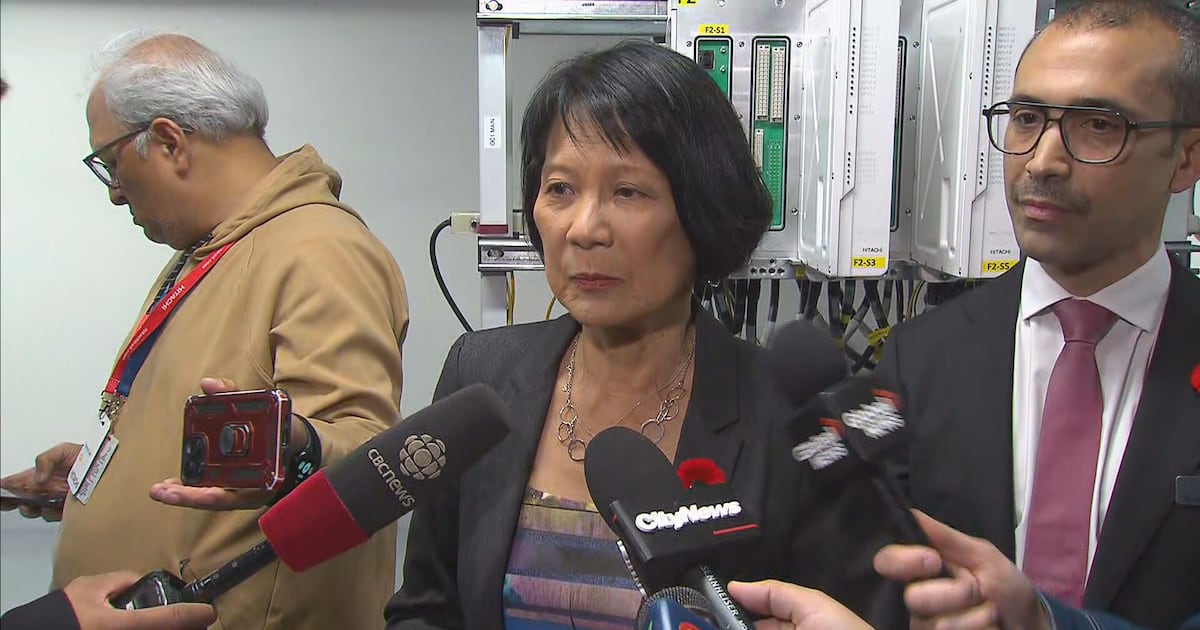
Mayor Olivia Chow announced on November 6 that Toronto has frozen hiring for all non-frontline city positions as the city faces a $1.1 billion budget shortfall heading into 2027.
The freeze comes after Premier Doug Ford ruled out a new provincial funding deal for Toronto, saying the province has already given the city $9 billion and Toronto must manage its own finances. The existing arrangement, which gave Toronto $7.6 billion in capital funding and $1.2 billion for transit and shelter operations, expires in March.
"We've given Toronto $9 billion, with a B, $9 billion dollars. They have to be responsible for their own budget," Ford said at a joint event with Chow on November 6, as reported by CityNews Toronto. He added the province uploaded the Gardiner Expressway and the Don Valley Parkway to its own books to give the city financial relief.
Chow said frontline workers will continue to be hired and that the freeze targets only positions not directly delivering services to residents.
"We are continuing to hire all frontline people, however, anything that is not frontline, we have a freeze in place so that we can, like last year, do a line-by-line review to find the savings," Chow said.
What the province gave and what expires
Toronto secured the $9 billion funding arrangement in 2023, in Chow's first term as mayor, after the city's finances were strained during the pandemic. The deal included $7.6 billion in capital funding and $1.2 billion annually for transit operations and shelter services.
That arrangement is set to expire in March 2027, leaving a gap in the city's budget that Chow had said during the October election she would work to refill through a new deal. Securing such a deal was one of her stated priorities for her second term.
Ford's remarks on November 6 appear to close that path, at least for now. Ford said he does not rule out giving Toronto money for specific priorities, and discussions between the city and province are expected in the coming weeks after Chow is sworn in for her second term.
A similar freeze last year
Chow pointed to a hiring freeze the city ran at the same point in 2025, saying it generated millions of dollars in savings. That precedent is part of her case that the approach is effective and not a cut to services.
The city's 2027 budget process is expected to begin in the weeks after Chow takes office for her second term. Chow repeated her campaign commitment to hold property tax increases around the rate of inflation, saying she still believes that is achievable.
"There's a lot of funding arrangements through both levels of government, and you can count on me as the mayor of Toronto to work hard on behalf of the residents," she said.
Toronto residents can follow Chow's budget promises on the /on/toronto-2026/tracker page. The first meeting of the new City Council is on November 18, 2026.
Questions this story answers
What did Mayor Chow announce about the city's budget on November 6?
Mayor Olivia Chow announced a hiring freeze for all non-frontline city positions on November 6, 2026. Frontline workers continue to be hired. The freeze is part of a line-by-line budget review to find savings as Toronto faces a $1.1 billion shortfall.
Why does Toronto have a $1.1 billion budget shortfall?
Toronto's existing funding deal with the province, which included $7.6 billion in capital funding and $1.2 billion for transit and shelter operations, expires in March 2027. Premier Doug Ford ruled out a new deal on November 6, saying the province had already given the city $9 billion and Toronto must manage its own finances.
What did Premier Ford say about a new funding deal for Toronto?
Premier Ford said at a joint event on November 6 that the province will not give Toronto a new funding deal. 'We've given Toronto $9 billion, with a B, $9 billion dollars. They have to be responsible for their own budget,' he said. Ford added that the province uploaded the Gardiner Expressway and the DVP to support the city.
Will the hiring freeze affect city services Toronto residents use?
Mayor Chow said frontline positions, the workers who deliver direct services to residents, are still being filled. The freeze applies to non-frontline positions only. A hiring freeze of the same kind was used in 2025 and generated millions in savings, Chow said.
What does this mean for Toronto property taxes?
Mayor Chow said she still believes it is possible to hold property tax increases around inflation during her second term. She said she will continue talking to provincial and federal governments for support. No specific tax increase figure has been announced for 2027.
What was in the original provincial deal with Toronto?
The deal Chow secured in 2023 included $7.6 billion in capital funding and $1.2 billion for transit and shelter operations. Ford said the total given to Toronto was $9 billion. That deal expires in March 2027.
Is Ford completely ruling out any future provincial money for Toronto?
Ford said there will be no new large funding deal. However, CityNews Toronto reported he is open to giving Toronto money for specific priorities, and discussions around those are expected after Chow is sworn in for her second term.
When is Olivia Chow sworn in for her second term?
Mayor Chow's second term begins at the first meeting of the new City Council, scheduled for November 18, 2026. Residents can follow her budget commitments on the promise tracker at /on/toronto-2026/tracker.
Sources
The pages this story draws on. Open one to check a claim yourself.
Found an error? Tell the editors with the corrections form. A correction is noted on the story it changes. Read our standards.
Topics
More from voche.me