Toronto enters 2027 budget season with a $1.1B gap, a TTC deficit, and no provincial deal
With the provincial operating deal expired and no new one coming, Mayor Chow is pursuing each issue with the province separately as the city builds its 2027 budget.
Long read. The subject the most local outlets covered that day, with the public record behind it. Every outlet and record is linked under the story. Read the original report on cp24.com.

Toronto opened its 2027 budget season this week carrying a $1.1 billion shortfall, a transit system under separate financial pressure, and no new deal with the province in sight.
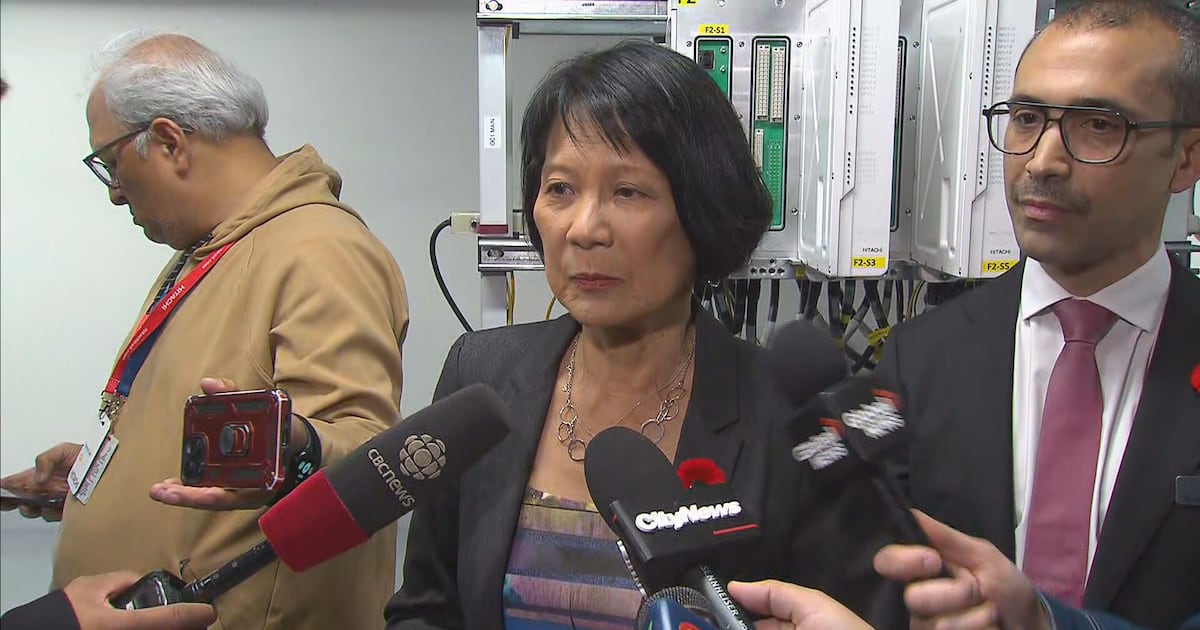
Mayor Olivia Chow confirmed the situation to reporters on November 6, the same day she announced a freeze on hiring for all non-frontline city positions. What emerged from that conversation was a fuller picture of how the city reached this point and what it plans to do next.
How the gap grew
When Chow was first elected in 2023, Toronto was carrying an $1.8 billion shortfall, a figure partly shaped by pandemic pressures on the city's finances. She addressed it through two rounds of significant property tax increases and by securing a funding arrangement with Premier Doug Ford's government.
That arrangement, struck in November 2023, gave the city $7.6 billion in capital funding and $1.2 billion in operating support over three years for transit and shelter services. It also transferred responsibility for the Gardiner Expressway and Don Valley Parkway back to the province, removing those costs from the city's books.
The operating portion of that deal expired in 2026. On November 6, Ford ruled out a new comprehensive agreement. "We've given Toronto $9 billion, with a B, $9 billion dollars. They have to be responsible for their own budget," he said at a joint event with Chow, as reported by CityNews Toronto.
The TTC adds to the picture
On top of the city-wide shortfall, the TTC is carrying its own financial problem. Chow told reporters on November 6 that the transit system is facing a "fairly severe financial deficit" driven by rising fuel costs, CP24 reported.
The TTC's finances sit inside the city's overall budget process, but Chow's remarks made clear that transit funding is a pressure point of its own heading into 2027.
This matters for two of her second-term commitments: she has promised to press the Province and Ottawa for steady money to run the TTC and for more capital to build and repair it. Both promises are tracked on her promise tracker page. Neither has a record of action yet, as the new council has not yet met.
Piece by piece, not in a package
With Ford ruling out a new comprehensive deal, Chow said she plans to negotiate each outstanding issue with the province separately.
"As to that new deal earlier on, it was always interim. We have to find a path forward for a structural financial solution," she told reporters. "All of those elements are still outstanding, and we'll instead of putting it in the package, we'll do it piece-by-piece."
She said conversations with the province will continue, and that Ford did leave the door open to giving Toronto money for specific priorities. The city is expected to begin those discussions after Chow is sworn in for her second term.
The federal budget as one piece
Chow pointed to the federal budget, tabled by the Carney government on November 5, as a source of hope on housing and homelessness.
She told reporters on November 6 that she was "very encouraged" by its commitments and hoped Ontario would reach an agreement with Ottawa to accelerate the construction of supportive housing. She stressed, though, that building that housing requires provincial operating funding to ensure residents receive services once housed.
"We need the provincial government to step up and provide the operating funding for those supportive housing," she said.
The federal budget's precise commitments to Toronto have not been made public in detail, but CityNews Toronto reported that Chow saw them as a foundation for further negotiations.
The property tax commitment
Through all of this, Chow has held to a campaign promise to keep property tax increases near the rate of inflation during her second term. That promise is tracked at /on/toronto-2026/candidates/olivia-chow#promise-property-taxes.
She repeated that commitment on November 6. "There's a lot of funding arrangements through both levels of government, and you can count on me as the mayor of Toronto to work hard on behalf of the residents," she said, as reported by CityNews Toronto.
Achieving it without a new provincial deal will require the city to find significant savings through the budget review process and to secure piece-by-piece funding commitments from both levels of government. The line-by-line review is already underway.
What comes next
The formal 2027 budget process is expected to begin in the weeks after Chow's second term officially starts. Under the Toronto Municipal Code, the first meeting of the new City Council is on November 18, 2026, the first Wednesday after the term begins on November 15.
The city spokesperson told CTV News Toronto that the hiring freeze is already in effect. It applies to most positions, including recruitments already underway where no offer has been made. Vacant front-line paramedic and firefighter positions continue to be filled, along with other roles where there are legislative, operational or service needs, city spokesperson Russell Baker said.
Residents can follow Chow's budget and transit commitments at the promise tracker as the 2027 budget takes shape.
Questions this story answers
What is Toronto's budget shortfall for 2027?
Toronto has projected a shortfall of $1.1 billion in its 2027 budget. This gap opened after the provincial operating deal that gave the city $1.2 billion over three years for transit and shelter services expired in 2026, and Premier Doug Ford ruled out a new comprehensive deal.
What is the TTC's financial situation in 2026?
Mayor Olivia Chow told reporters on November 6 that the TTC is facing a severe financial deficit driven by rising fuel costs, using those words. This is separate from the city's overall $1.1 billion shortfall and adds to the pressure on the 2027 budget.
Why is there no new provincial deal for Toronto?
Premier Doug Ford ruled out a so-called 'New Deal 2.0' on November 6, saying the province had already given Toronto $9 billion and the city must manage its own finances. The original deal, struck in November 2023, included $7.6 billion in capital funding and $1.2 billion in operating support over three years for transit and shelters.
How did Toronto's budget get to this point?
Mayor Chow inherited an $1.8 billion shortfall when she was first elected in 2023. She addressed it through two rounds of significant property tax increases and the 2023 provincial funding deal. With that deal now expired and no replacement agreed, the gap for 2027 stands at $1.1 billion.
How is Chow planning to close the $1.1B gap?
Chow said the city will pursue each outstanding issue with the province separately, rather than as one package deal. She pointed to the federal budget's housing and homelessness commitments as a reason to stay in negotiations with both levels of government. A line-by-line budget review and a non-frontline hiring freeze are also part of the approach.
Will property taxes go up in 2027?
Mayor Chow has promised to keep property tax increases near the rate of inflation during her second term. She repeated that commitment on November 6. No specific 2027 tax increase figure has been announced.
What does the 2027 budget timeline look like?
The first meeting of the new City Council is on November 18, 2026. The formal 2027 budget process is expected to begin in the weeks after that. Residents can follow Chow's budget and TTC commitments at /on/toronto-2026/tracker.
What is Chow's TTC funding promise?
During the October 2026 election, Chow promised to press the Province and Ottawa for steady money to run the TTC and for more capital funding to build and repair it. Those promises are tracked at /on/toronto-2026/candidates/olivia-chow#promise-ttcriders-operating-funding and #promise-ttcriders-capital-funding.
Sources
The pages this story draws on. Open one to check a claim yourself.
- CP24: Toronto pauses hiring after Ford ruled out new dealcp24.com
- CityNews Toronto: Chow searching for solution after Ford rules out new funding deal for Torontotoronto.citynews.ca
- CBC News: City of Toronto pauses hiring, citing 'financial pressures' ahead of budgetcbc.ca
- CTV News Toronto: Toronto introduces hiring freeze amid $1.1B shortfallctvnews.ca
Found an error? Tell the editors with the corrections form. A correction is noted on the story it changes. Read our standards.
Topics
More from voche.me