A third storm system heads for Metro Vancouver as thousands of homes remain without power
Environment Canada issued a special weather statement on Monday morning warning of heavy rain and strong winds from Tuesday through Thursday, while BC Hydro crews were still restoring power to tens of thousands of customers from the first two storms.
Long read. The subject the most local outlets covered that day, with the public record behind it. Every outlet and record is linked under the story. Read the original report on bcrfc.env.gov.bc.ca.
Environment Canada issued a special weather statement early Monday morning warning of a third series of storms heading toward the BC coast, arriving Tuesday and lasting through Thursday, November 12. The agency posted the statement at 3:53 AM PT on November 9, 2026, covering Metro Vancouver Central, the North Shore, and all surrounding Metro Vancouver areas.
The warning arrives while tens of thousands of BC households are still without power and while river levels across the South Coast remain elevated from the two storm systems that swept through from Friday to the weekend.
What the new warning says
Environment Canada's statement says "a series of potent fall storms will bring heavy rainfall and strong winds to the BC coast" from Tuesday through Thursday. The agency warns of "significant rainfall accumulations," with upslope terrain and higher elevations expected to receive the heaviest amounts.
The statement notes there is still uncertainty about exact rainfall totals and coverage, and says rainfall warnings will follow once forecasters have better clarity on amounts. The statement covers Metro Vancouver Central (the City of Vancouver, Burnaby and New Westminster), the North Shore, Northeast, Southeast and Southwest Metro Vancouver sub-regions.
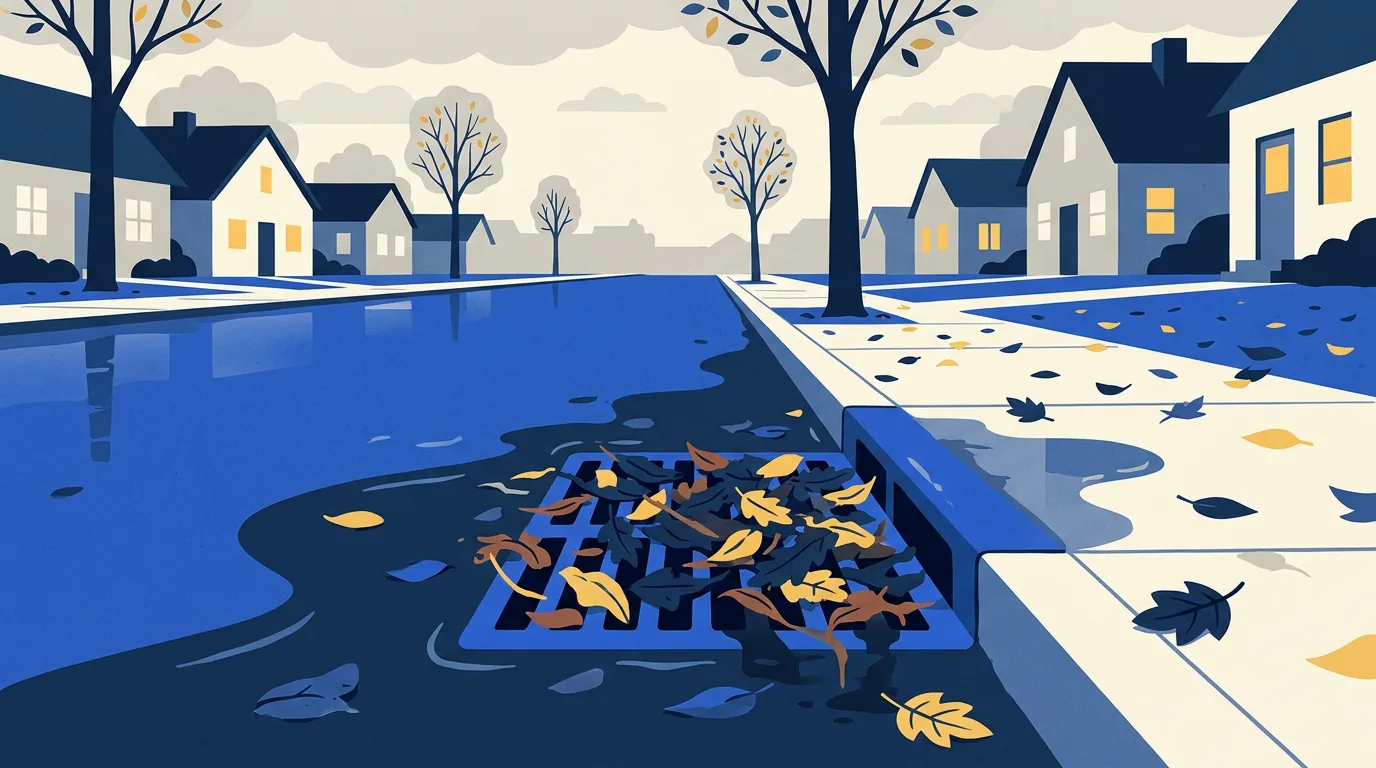
Environment Canada asks residents to clear storm drains of leaves and debris before Tuesday, monitor forecasts at weather.ec.gc.ca, follow DriveBC for road conditions and check the BC River Forecast Centre for streamflow updates. The agency also provides a severe weather reporting form at weather.ec.gc.ca.
River levels remain elevated
The BC River Forecast Centre updated its High Streamflow Advisory on November 6, 2026 at 1:06 PM to add two new areas: the Lower Fraser River and Eastern Vancouver Island. The South Coast was already under the advisory, which now covers the South Coast, Lower Fraser, Central Coast and multiple Vancouver Island zones.
A High Streamflow Advisory means river levels are rising or expected to rise rapidly, but major flooding is not expected. Minor flooding in low-lying areas is possible. With the region receiving another round of heavy rainfall starting Tuesday, the Centre asks people near rivers and creeks to monitor conditions at bcrfc.env.gov.bc.ca.
Thousands of homes still without power
BC Hydro said in its November 8, 2026 press release that at the peak of the second storm, reached around 1:00 AM that Sunday, about 135,000 customers lost power. By 7:00 AM Sunday, that number had dropped to about 63,000 customers still without electricity.
Since the first storm hit on Friday, BC Hydro reported over 380,000 total outages, with 317,000 customers restored by Sunday morning. Crews were still working on restorations while dealing with new outages from the second storm. The hardest-hit areas were Surrey, Duncan, Port Hardy and Prince George.
BC Hydro recommended that residents keep 72-hour emergency kits stocked and mobile devices charged, and said in its statement that "additional storms remain possible." Residents should stay at least 10 metres away from any downed power lines and report them to emergency services. Outages can be reported through the BC Hydro website or at 1-888-POWERON.
Road conditions and bridge maintenance
DriveBC lists the Queensborough Bridge on Highway 91A under nighttime maintenance through November 15, reduced to one lane in each direction between 9:30 PM and 5:00 AM on weeknights. Highway 99 southbound near the Steveston Interchange in Richmond is running with the HOV lane closed from 6:00 AM to 3:00 PM daily through November 23.
Residents driving during the storm should check drivebc.ca for road conditions, as updates will appear there once the November 10 to 12 system moves through.
What residents can do now
Environment Canada's special weather statement points to three actions residents can take before Tuesday:
- Clear leaves and debris from storm drains near their home
- Monitor weather forecasts at weather.ec.gc.ca, where the agency will issue rainfall warnings as conditions come into focus
- Follow the BC River Forecast Centre at bcrfc.env.gov.bc.ca for updated streamflow advisories
BC Hydro added in its November 8 statement that keeping emergency supplies ready is worth doing now, before the new storms arrive. This includes a 72-hour emergency kit with food, water, medication, flashlights and charged devices. During the previous storms, crews had to respond to new outages at the same time as working through the backlog of unresolved ones, which slowed restoration. The same pattern could repeat when the third storm system arrives.
Environment Canada's statement also highlights that communities with poor drainage or areas that have already received heavy rainfall are at particular risk of localized flooding. Metro Vancouver received significant rainfall through the first two storm systems. Fallen leaves at this time of year block storm drain grates, which makes flooding worse in areas that would otherwise drain quickly. Clearing the grate nearest to your home takes a few minutes and can keep water off the road.
The City of Vancouver's public transit connections also change on Wednesday, November 11, when Remembrance Day falls. TransLink runs a holiday service schedule that day.
Questions this story answers
When will the third storm hit Metro Vancouver?
Environment Canada's special weather statement, issued at 3:53 AM PT on Monday, November 9, 2026, says the third in a series of fall storm systems will bring heavy rainfall and strong winds to the BC coast from Tuesday, November 10 through Thursday, November 12, 2026. The statement covers Metro Vancouver Central, which includes the City of Vancouver, Burnaby and New Westminster, as well as the North Shore, Northeast, Southeast and Southwest Metro Vancouver areas.
How many people are still without power from the first two storms?
BC Hydro reported on the morning of November 8, 2026 that about 63,000 customers across BC remained without power. The two storms that hit from Friday through the weekend caused over 380,000 total outages in that period. By Sunday morning, 317,000 customers had been restored. BC Hydro said crews were still working on restoration while dealing with new outages. The hardest-hit areas included Surrey, Duncan, Port Hardy and Prince George.
Is there a flood risk for Metro Vancouver with this third storm?
The BC River Forecast Centre updated its High Streamflow Advisory on November 6, 2026 to include the South Coast and the Lower Fraser River as newly added areas. The advisory says river levels are rising or expected to rise rapidly, but that no major flooding is expected. Minor flooding in low-lying areas is possible. The advisory covers the South Coast, Lower Fraser, Central Coast, and multiple Vancouver Island zones. Environment Canada's special weather statement also notes that communities with poor drainage or areas that received heavy rainfall recently should stay alert to localized flooding risks.
What should Metro Vancouver residents do before the third storm arrives Tuesday?
Environment Canada's special weather statement asks residents to clear storm drains of leaves and debris, monitor forecasts at weather.ec.gc.ca, follow DriveBC advisories at drivebc.ca for road conditions, and check the BC River Forecast Centre at bcrfc.env.gov.bc.ca for streamflow updates. BC Hydro recommended keeping 72-hour emergency kits stocked and mobile devices charged, since additional storms were anticipated when it issued its November 8 statement. Environment Canada also provides a severe weather reporting form at weather.ec.gc.ca.
Are there any road closures or restrictions ahead of the November 10 storm?
As of November 9, 2026, DriveBC lists the Queensborough Bridge on Highway 91A under nighttime maintenance work through November 15, reducing it to one lane in each direction between 9:30 PM and 5:00 AM on weeknights. The Highway 99 HOV lane southbound near the Steveston Interchange in Richmond is closed from 6:00 AM to 3:00 PM daily through November 23. Storm-related road conditions may change once the new system arrives; check drivebc.ca for updates.
What did BC Hydro advise residents to do during the storm?
In its November 8, 2026 press release, BC Hydro asked residents to stay at least 10 metres away from downed power lines and report them to emergency services. The utility recommended keeping 72-hour emergency kits stocked, mobile devices charged, and monitoring updates at bchydro.com. Residents can report outages through the BC Hydro outage centre online or by calling 1-888-POWERON.
What is a High Streamflow Advisory and what does it mean for Vancouver?
The BC River Forecast Centre issues a High Streamflow Advisory when river levels are rising or expected to rise rapidly, but major flooding is not expected. Minor flooding in low-lying areas remains possible under this advisory. The Centre updated its advisory on November 6, 2026 at 1:06 PM to add the South Coast and Lower Fraser to the areas covered. With another round of heavy rainfall expected November 10 to 12, the Centre asks people near rivers and creeks to monitor conditions at bcrfc.env.gov.bc.ca.
Where can I find live storm updates during the November 10 to 12 storm?
Environment Canada asks residents to monitor forecasts at weather.ec.gc.ca, where the agency will issue rainfall warnings as the storm approaches. For road conditions, DriveBC at drivebc.ca is the Province's live road-event service. BC Hydro posts outage updates at bchydro.com and residents can report power outages online or at 1-888-POWERON. The BC River Forecast Centre posts streamflow advisories and warnings at bcrfc.env.gov.bc.ca. Severe weather can be reported to Environment Canada through the reporting form on weather.ec.gc.ca.
Sources
The pages this story draws on. Open one to check a claim yourself.
- Environment Canada Special Weather Statement for Metro Vancouver, November 9, 2026weather.gc.ca
- BC River Forecast Centre High Streamflow Advisory, updated November 6, 2026bcrfc.env.gov.bc.ca
- BC Hydro press release: Second damaging storm causes significant outages across BC coast, November 8, 2026bchydro.com
- DriveBC active road events, Metro Vancouver, November 9, 2026drivebc.ca
Found an error? Tell the editors with the corrections form. A correction is noted on the story it changes. Read our standards.