What the two plebiscite questions on October 17 ballots actually do
Vancouver voters will receive a second ballot on election day with two non-binding questions on drug use enforcement and involuntary treatment. Here is what each question says and what a yes vote would mean.
Reported. A news outlet found this. voche.me names the outlet and links its report. Read the original report on ubyssey.ca.
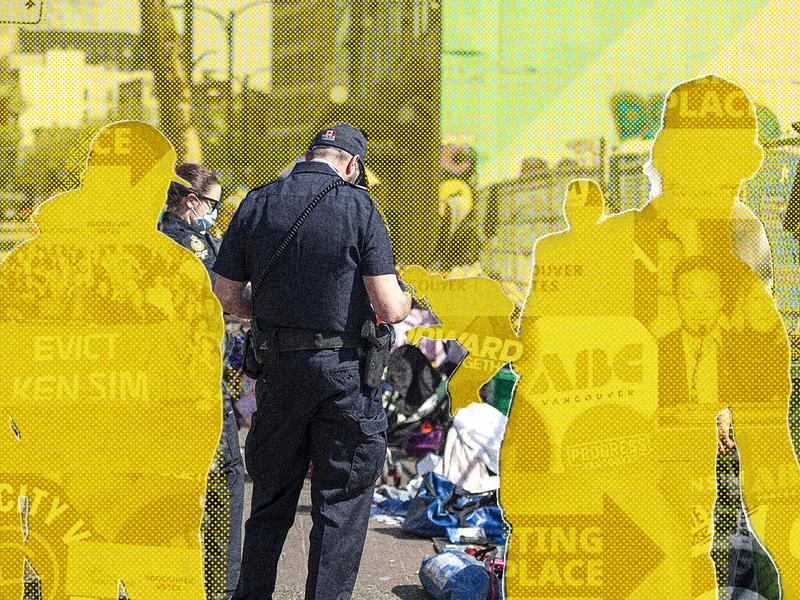
On October 17, Vancouver voters will receive two ballots. The second one carries two non-binding plebiscite questions on public safety. The Ubyssey published a detailed explanation of both questions on October 13.
The plebiscite was proposed by ABC Vancouver. Council voted at a special meeting on August 14 to direct staff to add the questions to the election ballot. Councillors Pete Fry and Rebecca Bligh, both now running for mayor, left before the final vote. Mayor Ken Sim has said the city spent two years appealing to the province for involuntary care beds without result. The results of the plebiscite carry no legal effect on the city, according to The Ubyssey.
What Question 1 asks
The first question asks whether Vancouver should implement stronger laws against open-air hard drug use, specifically naming heroin, meth, fentanyl, and crack, in public spaces.
ABC Vancouver councillor Lisa Dominato described what the stronger enforcement would look like: officers could issue a bylaw ticket of zero dollars, detain the individual, and seize the drugs without pursuing criminal charges. Dominato said the tickets are meant to discourage drug use in parks, playgrounds, and business entrances.
Rebecca Hasdell, running for council with Vote Vancouver, told The Ubyssey that taking substances away does not solve addiction. "We know that if someone is in active addiction, just taking substances away does not solve that problem," Hasdell said.
What Question 2 asks
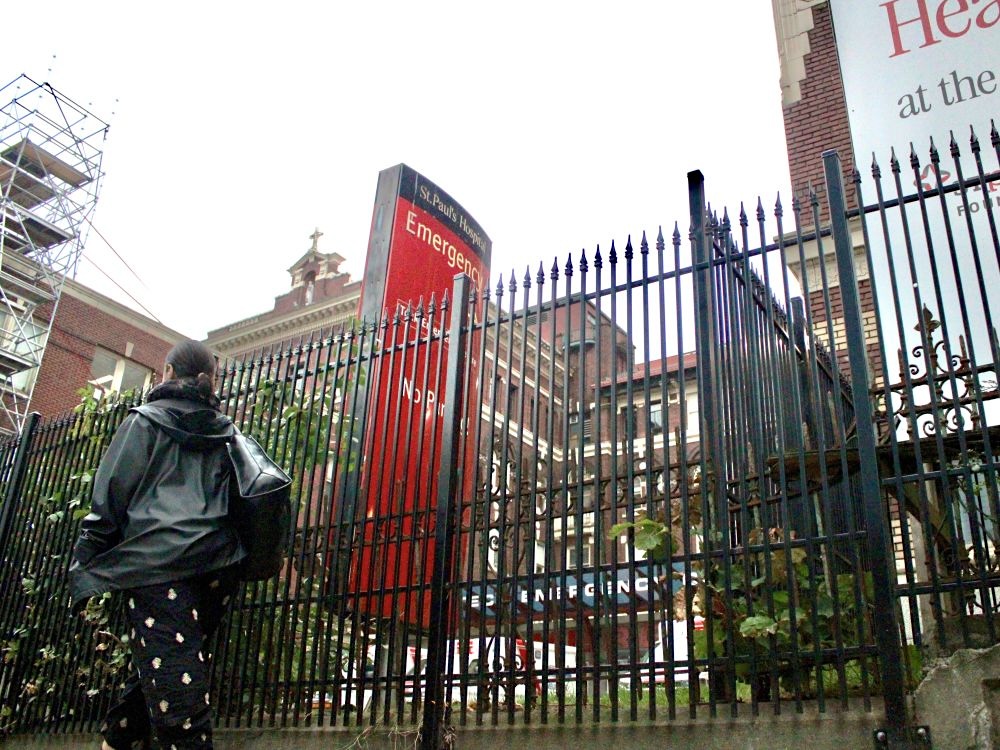
The second question asks whether the old St. Paul's Hospital site should become a secure medical facility providing acute voluntary care and more than 100 involuntary care beds for people posing a serious risk to themselves or others because of severe substance use or mental health disorders.
Dominato said that if Question 2 receives strong support, ABC Vancouver would take the results to the provincial government to advocate for more treatment facilities.
Kareem Allam of the Vancouver Liberals told The Ubyssey he supports involuntary care in some circumstances but opposes using the old St. Paul's site because of its central location. TEAM for a Livable Vancouver has said a plebiscite is not needed to show that open-air drug use is unacceptable.
Who can vote on the plebiscite
Voters will receive the plebiscite ballot separately from their regular ballot. They do not have to answer every question.
Residents of UBC and the University Endowment Lands can vote for school trustees but are not eligible to vote on the plebiscite questions. Those residents are not part of the City of Vancouver.
To find your voting place for October 17, see /where-to-vote. Full information on parties and their positions on the plebiscite is at /parties.
Questions this story answers
What are the two plebiscite questions on the October 17 ballot?
The first question asks whether the City of Vancouver should implement stronger laws against open-air hard drug use, specifically naming heroin, meth, fentanyl, and crack, in public spaces. The second question asks whether the old St. Paul's Hospital site should become a secure medical facility providing acute voluntary care and more than 100 involuntary care beds for people posing a serious risk to themselves or others because of severe substance use or mental health disorders. The Ubyssey reported both questions in full on October 13, 2026.
Do the plebiscite results force the city to do anything?
No. The results have no legal effect on the City of Vancouver, as The Ubyssey reported. ABC Vancouver city councillor Lisa Dominato said the intention is to give the newly elected council a stronger mandate. If the second question receives strong support, Dominato said the party would take the results to the provincial government to argue for additional treatment facilities.
Who added the plebiscite questions to the ballot?
The plebiscite was proposed by ABC Vancouver. City council voted at a special meeting on August 14, 2026 to direct staff to add the questions to the ballot. OneCity councillor Lucy Maloney voted against the plebiscite. Councillors Rebecca Bligh and Pete Fry, both now running for mayor, and councillor Sean Orr left before the final vote and were recorded as absent, according to The Ubyssey.
How will voters receive the plebiscite questions?
Voters will receive a separate ballot for the two plebiscite questions alongside their regular municipal ballot on October 17. Voters do not have to answer every question on it. The plebiscite ballot is separate from the ballot used to vote for mayor, councillors, park board commissioners, and school trustees.
Can all Vancouver voters vote on the plebiscite?
No. Residents of UBC and the University Endowment Lands can vote only for school trustees and are not eligible to vote on the plebiscite questions, according to The Ubyssey. Those residents are not part of the City of Vancouver and are therefore not included in the city's plebiscite.
What would Question 1 about drug use enforcement mean in practice?
ABC Vancouver councillor Lisa Dominato described what the stronger enforcement under Question 1 would look like: police officers would be able to issue a bylaw ticket of zero dollars, detain the individual, and seize the drugs. Officers would not need to pursue criminal charges. The tickets are described as non-monetary and intended to discourage drug use in places such as parks, playgrounds, and business entrances, Dominato told The Ubyssey.
What do other parties say about the plebiscite?
TEAM for a Livable Vancouver has said a plebiscite is not needed to show that open-air drug use is unacceptable. Kareem Allam of the Vancouver Liberals said he supports involuntary care in some circumstances but opposes using the old St. Paul's Hospital site because of its central location. Rebecca Hasdell of Vote Vancouver told The Ubyssey that there are not enough voluntary care beds and that the evidence shows people do best in care when they have the choice to seek it.
Where can I vote on October 17?
Voting places and advance voting information for the October 17 Vancouver election are listed on voche.me at the where-to-vote page. You can also review what you will be voting on at the races page, and read about the parties at the parties page.
Sources
The pages this story draws on. Open one to check a claim yourself.
Found an error? Tell the editors with the corrections form. A correction is noted on the story it changes. Read our standards.
Topics
More from voche.me
ABC and Vancouver Liberals Disagree on Involuntary Care Plebiscite