Vancouver encampment sweeps linked to lower chances of finding housing, study finds
A study of 235 unhoused people in Vancouver found those whose belongings were taken by city workers were housed at a third of the rate of those who weren't.
Reported. A news outlet found this. voche.me names the outlet and links its report. Read the original report on thinkpol.ca.
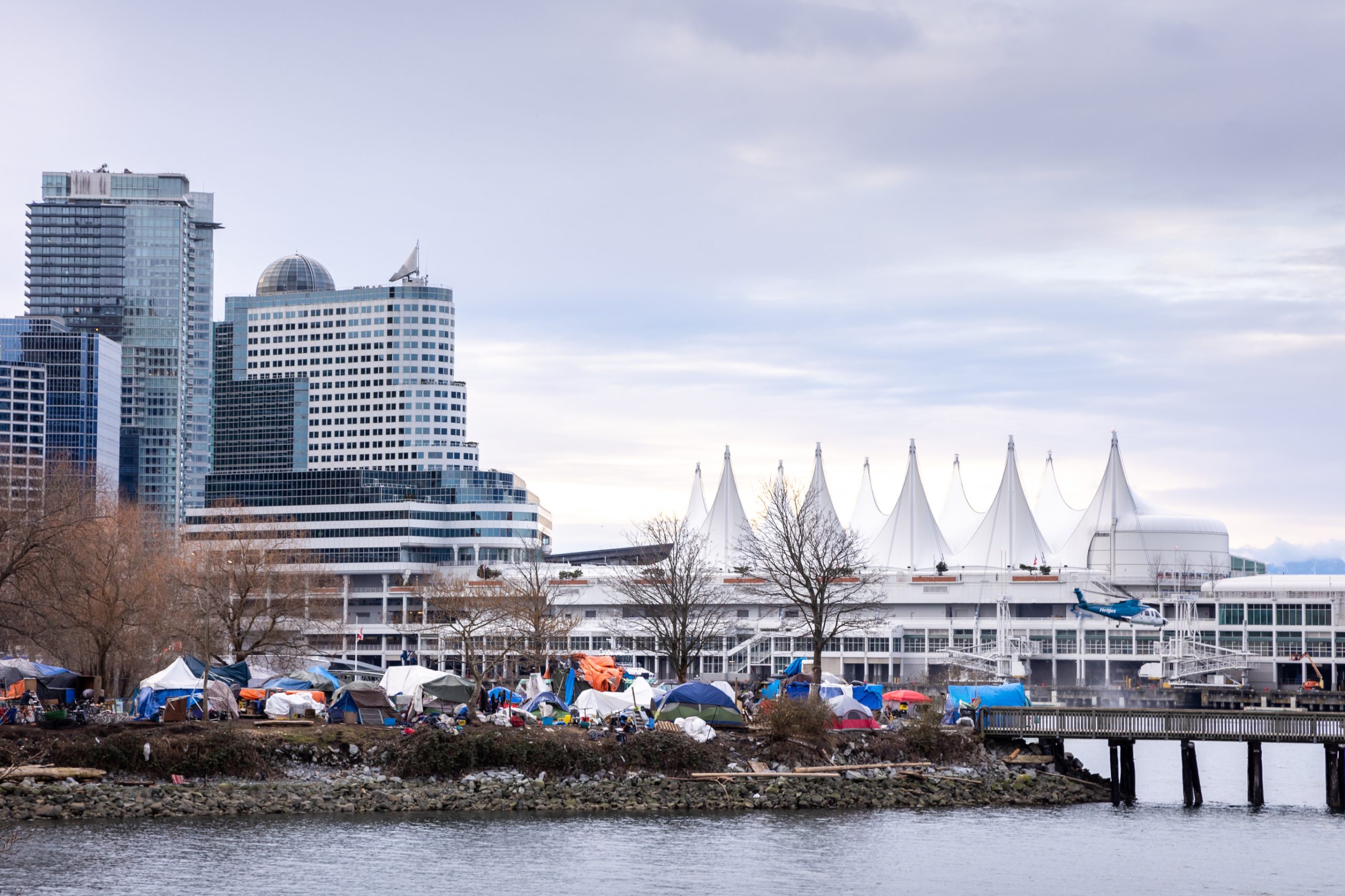
When City workers take an unhoused person's belongings, that person finds housing at about a third the rate of someone whose belongings are left alone. When they are forced to move, the rate drops to less than a tenth.
That is the finding of a study published in September in PLOS Medicine and reported by ThinkPol on November 3. Researchers at the BC Centre on Substance Use and Simon Fraser University, led by Kanna Hayashi, followed 235 people who reported being homeless when they joined two long-running drug-use cohort studies in Vancouver. Participants were interviewed every six months between December 2021 and May 2025.
At each interview, participants were asked whether City workers, including engineering crews, park rangers and police, had taken their possessions in the past six months. From June 2023, participants were also asked whether they had been forced to leave a public space.
What the numbers show
Over the full study period, 128 of the 235 participants moved into some form of housing. After accounting for age, gender, drug use, mental and physical health, income and other factors, people who had recently had their belongings taken found housing at about a third the rate of those who hadn't. The link was stronger for forced displacement: people who had been moved on found housing at less than a tenth the rate.
In 119 of the 121 recorded displacements, no housing was offered to the person being moved. Of the two who received an offer, one moved in. The other was told there was no space.
Why sweeps may keep people homeless
The authors point to earlier research: sweeps can destroy identification documents needed to join a housing waitlist, cut people off from outreach workers, and erode trust in the workers trying to place them in housing. In earlier work with the same cohorts, 36 per cent of people whose belongings had been taken said they had tried and failed to access housing services in the same six months. The study was observational, so it shows an association, not proof of cause.
The wider picture in Vancouver
Homelessness in the City of Vancouver rose 12 per cent between 2023 and 2025, to 2,715 people counted in the 2025 point-in-time count. Seven in ten of those who left homelessness moved into single-room occupancy hotels, which the authors note are known for poor conditions and high rates of unlawful eviction.
What the new council has promised
Mayor Pete Fry has promised expanded daytime shelters, drop-in spaces and secure storage for people experiencing homelessness. The Green Party of Vancouver platform also proposes shelter villages with private, locking cabins and on-site support, and a 24-hour non-police mobile response team for non-emergency calls involving people experiencing homelessness.
Residents can track those commitments at /tracker.
Questions this story answers
What did the study find about encampment sweeps and housing?
A study published in PLOS Medicine followed 235 unhoused Vancouver residents between December 2021 and May 2025. ThinkPol reported that people whose belongings were taken by city workers found housing at about a third the rate of those whose belongings were not taken. People who were forced to move found housing at less than a tenth the rate of those who were not displaced.
Who conducted the research?
The study was led by Kanna Hayashi of the BC Centre on Substance Use and Simon Fraser University. Co-authors included members of community groups including the Vancouver Area Network of Drug Users and Pivot Legal Society. The study drew on two long-running cohort studies of people who use drugs in Vancouver.
How many times were people displaced during the study, and was housing offered?
ThinkPol reported that participants were displaced 121 times during the study period. In 119 of those 121 cases, no housing was offered to the person being moved. Of the two people who did receive a housing offer, one was able to move in and the other was told there was no space available.
How much did Vancouver homelessness grow during the study period?
The study notes that homelessness in the City of Vancouver rose 12 per cent between 2023 and 2025, reaching 2,715 people counted in the 2025 point-in-time count. The authors note that point-in-time counts tend to miss people who are unhoused.
What does the study say about why sweeps might make it harder to find housing?
The study did not test why sweeps would make housing harder to find, but the authors point to earlier research. Sweeps can destroy identification and other documents needed to sign a lease or join a waitlist. They can cut people off from outreach workers and services. They can also worsen mental health and erode trust in public workers, including those trying to place people in housing.
What are the new Vancouver council's promises on homelessness?
Mayor Pete Fry has promised expanded daytime shelters, drop-in spaces and secure storage for people experiencing homelessness. The Green Party of Vancouver platform also proposes small shelter villages with private, locking cabins and on-site support. See the tracker at /tracker for the full list of commitments from each elected official.
What was the study's finding about the quality of housing people moved into?
The study notes that being counted as housed did not always mean being securely housed. Seven in ten of those who left homelessness moved into single-room occupancy hotels, known for poor conditions and high rates of unlawful eviction. The study did not measure whether people stayed in housing after moving in.
Did the study prove that sweeps cause homelessness?
The study was observational, so it shows an association rather than proof that sweeps cause people to stay homeless. When the researchers compared sweeps in one six-month period with housing outcomes in the next period, the associations pointed the same way but were no longer statistically significant. The authors say the effect of a sweep may be strongest in the first few months after it happens.
Sources
The pages this story draws on. Open one to check a claim yourself.
Found an error? Tell the editors with the corrections form. A correction is noted on the story it changes. Read our standards.


