Toronto faces a $1.12-billion budget gap as Province ends its funding deal
Ontario Premier Doug Ford said on November 4 there will be no second funding deal with Toronto, leaving the City to find $1.12 billion on its own before its 2027 budget.
Long read. The subject the most local outlets covered that day, with the public record behind it. Every outlet and record is linked under the story. Read the original report on globalnews.ca.

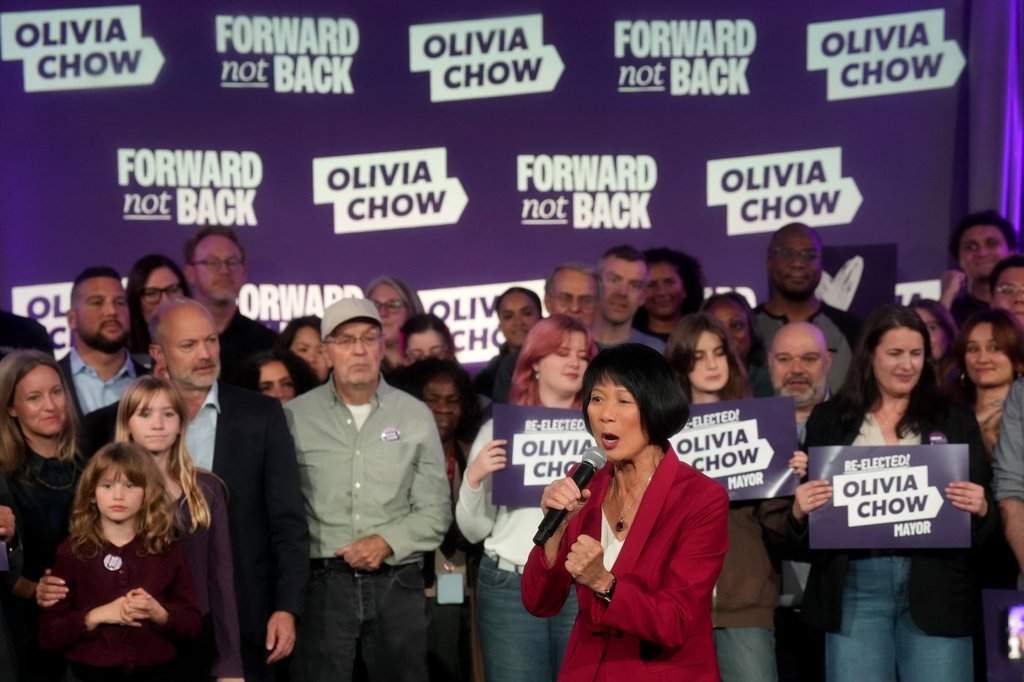
Toronto heads into its 2027 budget with a $1.12-billion shortfall after Ontario Premier Doug Ford ruled out a second provincial funding deal for the City on November 4. The announcement came as Mayor Olivia Chow prepares to take office for her second term later this month, with her staff having been working toward a renewed agreement with the Province.
"There's no 2.0, to answer your question directly," Ford told reporters at Queen's Park on Wednesday, Global News reported. He added that the City "can't always rely on the province," pointing to a $9-billion package Ontario and Ottawa have already directed to Toronto.
What the original deal gave Toronto
The first Ontario-Toronto New Deal was signed in 2023, after Chow was first elected mayor. Under that agreement, Ontario gave the City about $1.2 billion in provincial operating support, according to Canada's National Observer. The capital side was larger: $7.6 billion in total relief, which included Ontario taking over responsibility for the Gardiner Expressway and the Don Valley Parkway, removing those two major roads from the City's budget.
The deal covered transit operations and shelter services, two of Toronto's largest spending areas. That provincial funding is set to expire next year, Canada's National Observer reported, which is why Chow's team had been pushing for a second round.
The shortfall Toronto now faces
Toronto goes into the 2027 budget cycle with a $1.12-billion gap, the Toronto Star reported on November 4. The gap reflects the end of one-time provincial money and rising costs for services including housing, transit and emergency shelters.
Ford framed Ontario's position as a matter of its own finances. The provincial fall economic statement included $36 billion in deficits over three years and delayed the province's return to a balanced budget, Global News reported. "We're in tough times right now, really tough times," Ford said. "So we're going to be prudent fiscal managers, respecting the taxpayer."
Opposition party leaders at Queen's Park called for more provincial support for municipalities. Interim Liberal leader John Fraser said Ontario has spent heavily on building hospitals and infrastructure, but that "the stuff that happens inside isn't working for people," and urged the province to focus on funding services rather than just construction, Global News reported. Green Party leader Mike Schreiner warned that if municipalities do not receive a new provincial deal, Toronto and other cities could face property tax increases of more than 10 percent to cover their costs, Global News reported.
What Ford said he would still discuss
Ford did not close every door. He said he was willing to sit down with Chow to talk about "certain priorities," naming crime reduction and police presence on subways, Global News reported. He did not name dollar amounts or commit to any specific program.
His comments follow a campaign in which both Chow and her main opponent Brad Bradford promised to hire more police officers and place them in subway stations. Ford's signal that this topic is on the table suggests some provincial support for transit safety spending remains possible, though no announcement has been made.
What Chow has promised on the budget
Chow's campaign commitments include keeping property tax increases near the rate of inflation, adding TTC service and pressing the Province and Ottawa for steady money to run the transit system. Her tracker page on voche.me lists each promise and its current status.
Her press secretary Braman Thillainathan said after Ford's announcement that the Mayor "looks forward to meeting with the Premier to discuss working together on shared priorities, such as housing, transit and public safety," according to Canada's National Observer. Thillainathan noted that Chow is officially sworn in later this month.
The first Council meeting
TorontoToday reported on November 4 that Chow plans to bring her rental housing program to the first meeting of the new City Council. That meeting is scheduled for November 18, 2026.
The program she plans to bring forward would approve 10,000 new rental homes, including at least 2,000 affordable units, using tax breaks for developers who commit to renting at below-market rates for at least 40 years. A related $1.5-billion deal with Ottawa and Queen's Park, signed in June 2026, gave the City the money to run the program, TorontoToday reported. That housing agreement is separate from the broader funding deal Ford ruled out on Wednesday.
In the first round of the same program in 2024, the City received 75 developer applications in 11 days, totalling more than 32,000 proposed units. The City approved 17 projects with about 8,000 units before the allocated funding ran out, according to TorontoToday.
What comes next
Toronto's annual budget process runs through the winter, with City Council expected to approve the 2027 budget in early 2027. The gap the City must close through its own measures, which include property tax rates, service decisions and other revenue, now stands at $1.12 billion.
Residents who want to follow how Mayor Chow's budget and transit funding promises develop can track each one at her page on voche.me. The next significant public step is the first Council meeting on November 18, when Chow plans to bring the housing program forward for a vote.
Questions this story answers
What did Ontario's Premier say about a second Toronto funding deal?
On November 4, 2026, Premier Doug Ford said at a Queen's Park news conference that there will be no second funding deal with Toronto, telling reporters 'There's no 2.0, to answer your question directly.' He said Ontario has already given Toronto $9 billion and that the City needs to be responsible for its own budget, Global News reported.
How large is Toronto's budget shortfall?
Toronto faces a $1.12-billion budget shortfall heading into the 2027 budget cycle, according to the Toronto Star's report on November 4, 2026. The shortfall follows the expiry of key pieces of the 2023 Ontario-Toronto New Deal, including provincial funding for transit operations and shelter services.
What was the original 2023 Ontario-Toronto New Deal?
The 2023 New Deal, signed when Olivia Chow was first elected mayor, gave the City about $1.2 billion in provincial operating support and $7.6 billion in capital relief. The capital relief included the provincial government taking over responsibility for the Gardiner Expressway and the Don Valley Parkway, according to Canada's National Observer.
When does the provincial funding for Toronto expire?
Provincial funding for transit operations and shelter support in Toronto is set to expire next year, 2027, according to Canada's National Observer's reporting on November 4, 2026. That expiry is a central reason Chow's staff had been working toward a second deal.
What did Mayor Chow say in response to Ford's announcement?
Mayor Chow's press secretary Braman Thillainathan said the Mayor looks forward to meeting with the Premier to discuss working together on shared priorities, including housing, transit and public safety, according to Canada's National Observer. Chow is officially sworn in later in November.
What is Mayor Chow's first planned item for the new City Council?
According to TorontoToday's reporting on November 4, 2026, Mayor Chow's stated first order of business at the new City Council is a program to approve 10,000 new rental homes, including at least 2,000 affordable units, using tax breaks for developers who agree to rent at below-market rates. The first Council meeting is scheduled for November 18.
Did Ford leave any room for provincial help on specific issues?
Yes. While ruling out a second comprehensive funding deal, Ford said he was willing to look at certain priorities, naming crime reduction and police presence on subways as examples where he would sit down and talk with Mayor Chow, according to Global News. He did not name dollar amounts or commit to any specific program.
What can Toronto residents do with this information?
Toronto residents can track Mayor Chow's budget and transit funding promises at her page on voche.me, where each promise is listed with its current status. The first meeting of the new City Council is scheduled for November 18, 2026, when Chow plans to bring forward her rental housing program for a vote.
Sources
The pages this story draws on. Open one to check a claim yourself.
- Global News Toronto: Doug Ford shuts the door on new funding deal for Toronto, November 4, 2026globalnews.ca
- Canada's National Observer: Doug Ford says no New Deal for Toronto under Mayor Olivia Chow, November 4, 2026nationalobserver.com
- Toronto Star: With Toronto facing a $1.12-billion budget shortfall, Doug Ford rules out a 'new deal' 2.0, November 4, 2026thestar.com
- TorontoToday: Here's what Olivia Chow promised as her first order of business, November 4, 2026torontotoday.ca
Found an error? Tell the editors with the corrections form. A correction is noted on the story it changes. Read our standards.