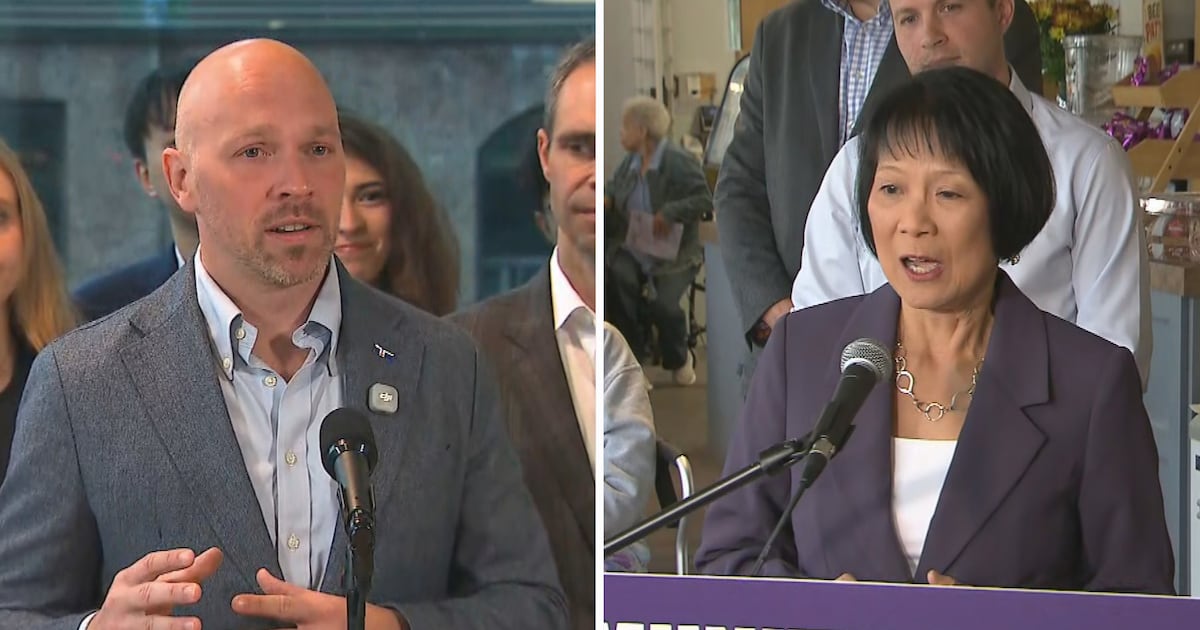
Bradford defends plan to restructure Toronto Water as Chow and critics push back
Brad Bradford is defending his proposal to turn Toronto Water into a separate public utility, while Olivia Chow and a union warn the change could let the province gain control.
Reported. A news outlet found this. voche.me names the outlet and links its report. Read the original report on toronto.citynews.ca.

Brad Bradford is defending his proposal to restructure Toronto Water into a separate city-owned corporation, after environmentalist David Suzuki appeared at an Olivia Chow campaign event to criticise the plan, and a union released a legal opinion warning it could reduce city control over water services. CityNews and CTV News both reported on the dispute on Oct. 21, 2026.
Bradford's plan, announced earlier in the campaign, would turn Toronto Water and its wastewater services into a publicly-owned corporation modelled on Toronto Hydro, which became a city corporation in 1999. Bradford says the change would cut the average Toronto water bill by $300 per year, because the new corporation could take on debt to fund infrastructure rather than collecting reserves through water bills. He says the utility would remain 100 per cent owned by Toronto taxpayers, with an independent board setting rates.
Suzuki appeared at a Chow campaign event on Oct. 21 and said he opposed the plan. "I think it's crazy for a person saying they want to be mayor of the city and one of their ideas is potential privatization of something like water," Suzuki said, as reported by CityNews. He said water is "priceless and should be sacred."
Bradford rejected the criticism. CTV News reported that he accused Chow of "deliberately misleading people" and "gutter politics." He said his plan keeps water in public hands and would reduce what bill payers pay each year.
Toronto Civic Employees Union Local 416, which operates and maintains the city's water system, has released a legal opinion on the proposal. The union says restructuring Toronto Water under Ontario's Waste and Wastewater Public Corporations Act would reduce the city's control. According to the legal opinion, as reported by CTV News, the Ontario Minister responsible for the act would have authority to change ownership or control of the new corporation, and future governments could change the law to permit private investment. The union named 16 incumbent city councillors who oppose the plan. The union has endorsed Chow.
Chow held a campaign event outside the RC Harris Water Treatment Plant on Oct. 21. She said Bradford would "hand control of Toronto's water to Doug Ford's government," referring to the Ontario Premier. Bradford said that characterisation is wrong and that no government other than the City would own the utility.
Voting day in the Toronto municipal election is Monday, Oct. 26, 2026. You can compare all candidates for mayor at the mayoral candidates page.
Questions this story answers
What is Brad Bradford's Toronto Water proposal?
Brad Bradford says he would restructure Toronto Water and its wastewater services into a separate city-owned corporation, similar to how Toronto Hydro was reorganised as a public utility in 1999. His campaign says the change would cut the average Toronto water bill by $300 per year, because the new corporation could take on debt for infrastructure spending, rather than collecting money for reserves through water bills. Bradford says the utility would remain 100 per cent owned by Toronto taxpayers, with rates set by an independent board. These are Bradford's own statements about his plan, as reported by CTV News on Oct. 21, 2026.
Why are critics concerned about Bradford's water plan?
Toronto Civic Employees Union Local 416, which represents the workers who operate and maintain Toronto's water system, obtained a legal opinion warning that restructuring Toronto Water under Ontario's Waste and Wastewater Public Corporations Act would reduce the city's control. The legal opinion found that under that structure, the Ontario Minister responsible for the act would have authority to change ownership or control, and that future councils or provincial governments could change the law to permit private investment. The union published the opinion and named 16 incumbent city councillors who oppose the plan, including Mayor Olivia Chow, as reported by CTV News on Oct. 21, 2026.
What did David Suzuki say about the Bradford water plan?
Environmentalist David Suzuki appeared at an Olivia Chow campaign event on Oct. 21, 2026, and said he opposed Bradford's proposal to restructure Toronto Water. CityNews reported his words: 'I think it's crazy for a person saying they want to be mayor of the city and one of their [ideas] is potential privatization of something like water.' Suzuki said water is 'priceless and should be sacred.' Suzuki spoke at a Chow campaign event; his statement is his own opinion and is not an official endorsement by any organisation.
What has Bradford said about accusations that his plan would privatise water?
Bradford rejected the characterisation that his plan would privatise water. CTV News reported on Oct. 21, 2026, that Bradford accused Chow of 'deliberately misleading people' and 'gutter politics.' He says the proposed utility would be 100 per cent owned by Toronto taxpayers, with an independent board setting rates, and that his plan would lower bills by removing infrastructure reserve charges from water bills.
What does Olivia Chow say about Bradford's water plan?
Olivia Chow has said Bradford's plan would 'hand control of Toronto's water to Doug Ford's government,' referring to the Ontario Premier. She made the statement at a campaign event outside the RC Harris Water Treatment Plant on Oct. 21, 2026, as reported by CTV News. Her campaign also held the press conference where David Suzuki spoke. Bradford says this characterisation is 'deliberately misleading.'
What has Toronto Civic Employees Union Local 416 said about Bradford's plan?
Toronto Civic Employees Union Local 416, which operates and maintains Toronto's water system, published a letter opposing Bradford's proposal and released a legal opinion. The union says the proposal 'risks giving up significant control over the way water and wastewater services are governed.' Their legal opinion, as reported by CTV News on Oct. 21, 2026, found that the Ontario Minister would gain powers over the new corporation, and that future changes to provincial law could open the door to private investment. The union has endorsed Olivia Chow.
What is the Toronto Hydro model and how does it relate to Bradford's proposal?
Toronto Hydro became a city-owned corporation in 1999. It is owned by the City of Toronto but operates as a separate legal entity, with its own board and the ability to borrow money and issue debt. Bradford's campaign says Toronto Water would follow the same model, remaining city-owned but gaining the ability to take on debt for infrastructure, which Bradford says would allow water bills to be lowered by removing the reserve charges currently collected through those bills. Critics say the Toronto Hydro comparison does not resolve concerns about provincial powers over water corporations.
When is voting day in the Toronto municipal election?
Voting day in the 2026 Toronto municipal election is Monday, Oct. 26, 2026. The City of Toronto's election office has a tool to find your assigned voting place. Both Brad Bradford and Olivia Chow are running for mayor. You can see all mayoral candidates at /on/toronto-2026/candidates#mayor.
Sources
The pages this story draws on. Open one to check a claim yourself.
Found an error? Tell the editors with the corrections form. A correction is noted on the story it changes. Read our standards.
Topics
More from voche.me

Liaison Strategies poll puts Bradford at 49, Chow at 47 with five days to go

Olivia Chow commits to permanent Scarborough Busway and local jobs on LRT project