Chow wins second term facing $1.1 billion budget gap and expiring Ontario deal
Toronto's re-elected mayor says she will keep property tax increases near the rate of inflation as she prepares to negotiate a new funding deal with the province.
Reported. A news outlet found this. voche.me names the outlet and links its report. Read the original report on globalnews.ca.
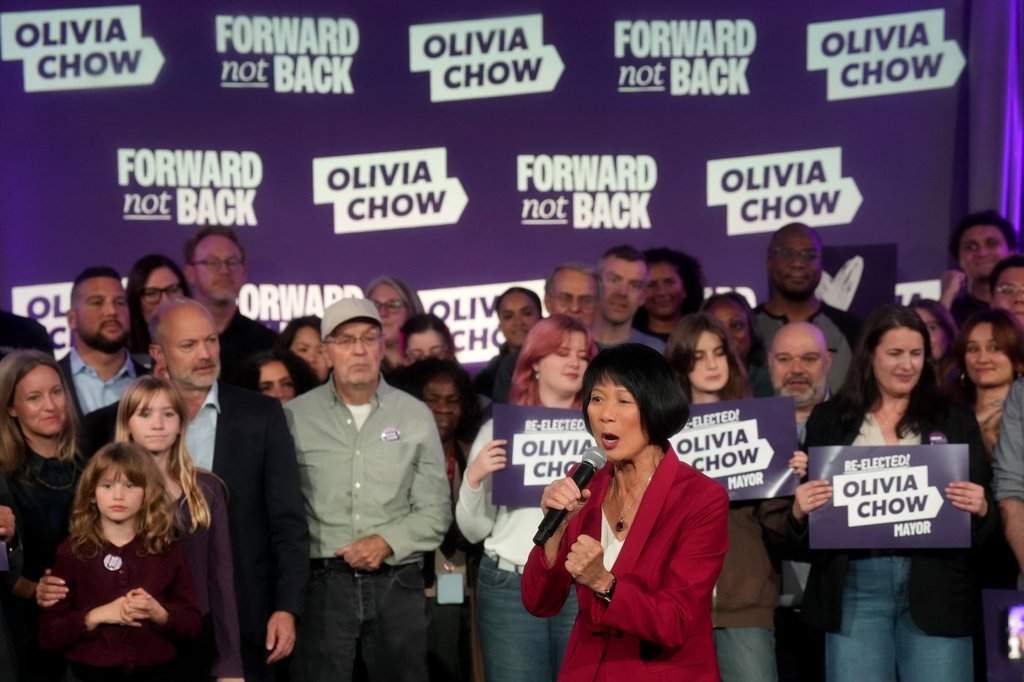
Toronto Mayor-elect Olivia Chow won a second term on October 26, 2026, and now faces a projected $1.1 billion gap in the City's 2027 budget, Global News reported on October 27.
The gap follows the expiry of a deal Ontario negotiated with Toronto in 2023 that provided $1.2 billion in annual operating funding. That agreement runs out this year, and Chow will need to negotiate a new one with Premier Doug Ford.
Chow said she will spend "every moment" of the next four years working hard for Toronto residents. On the budget, she renewed her campaign pledge to keep property tax increases at or near the rate of inflation. That pledge is tracked at this site's promise tracker.
Ford congratulated Chow and said he will "work with anyone to drive the economy to make sure we protect communities and companies and people" from U.S. tariff pressures. He did not describe what a new Toronto funding deal would look like.
What the unofficial results show
The City of Toronto's unofficial results show Chow received 532,201 votes, or 54.16 percent of ballots cast in the mayoral race. Brad Bradford finished second with 404,013 votes, or 41.11 percent. The City counted 982,660 total votes. The City Clerk has not yet declared the official results.
What the second term starts with
The four-year term starts November 15, 2026, under section 6 (1) of Ontario's Municipal Elections Act, 1996. The first Council meeting follows on November 18, 2026.
Chow's campaign centred on free school lunches for Toronto students and a weekly transit fare cap, under which TTC riders would pay nothing once they have taken 10 paid rides in a week. Her team says shovels for 10,000 new rental homes would go in the ground in 2027, and she plans to bring housing and grocery-related by-laws to the first Council meeting.
What the budget pressure means for voters
Toronto's 2027 budget will be debated early in the new term. A $1.1 billion gap means Chow faces a choice between new provincial money, higher taxes, cuts to City services, or some mix of all three.
Her promise to keep tax increases near inflation sits directly against that number. She has also pledged not to cut public services. Reaching both goals depends on what Ontario agrees to pay. That negotiation has not started yet.
Toronto residents can follow the status of Chow's property tax promise and all her other second-term commitments at /on/toronto-2026/candidates/olivia-chow.
Questions this story answers
How much money does Toronto's budget gap amount to?
Global News reported on October 27, 2026 that the City projects a shortfall of about $1.1 billion for the 2027 budget. That gap follows the expiry of a $1.2 billion annual operating deal that Ontario and Toronto negotiated in 2023. The two figures are related but not the same thing: the provincial deal was one source of City revenue, and the $1.1 billion is the total projected gap the City now needs to close.
When does the Ontario funding deal expire?
According to Global News, the provincial deal that provided $1.2 billion in operating funding to Toronto was negotiated in 2023 and expires this year, at the end of the current budget cycle. Mayor-elect Chow will need to negotiate a new agreement with Premier Doug Ford at the start of her second term. The terms of any new deal have not yet been announced.
What did Olivia Chow say about property taxes after winning?
Global News reported on October 27, 2026 that Chow vowed to keep property tax increases at or near the rate of inflation. This renews a pledge she made during the campaign. Her tracker on this site records it as a standing promise: you can follow whether she keeps it at /on/toronto-2026/candidates/olivia-chow#promise-property-taxes.
What did Premier Doug Ford say after Chow won?
According to Global News, Ford congratulated Chow and said he will work with anyone to drive the economy and protect communities and businesses from the impact of U.S. tariffs. He did not say what a new funding deal with Toronto would look like or when talks would start.
What were Olivia Chow's vote totals in the mayoral race?
According to the City of Toronto's unofficial results, Chow received 532,201 votes, or 54.16 percent of the total ballots cast. Brad Bradford, who finished second, received 404,013 votes, or 41.11 percent. The City counted 982,660 total votes in the mayoral race across a registered voter pool of 2,143,771. The City Clerk has not yet declared the official results.
What was Olivia Chow's campaign platform?
Global News reported that her re-election campaign centred on free school lunches and a weekly transit fare cap, the latter meaning that TTC riders pay nothing once they have taken 10 paid rides in a week. She also promised to build more rental housing and to keep public services from being cut. You can see all her tracked promises at /on/toronto-2026/candidates/olivia-chow.
When does Olivia Chow's second term start?
Section 6 (1) of Ontario's Municipal Elections Act, 1996 starts the four-year term on November 15, 2026. The first meeting of the new City Council follows on November 18, 2026, the first Wednesday after the term starts, under section 27-5.1 of Toronto's Municipal Code.
Where can I follow what Chow does in her second term?
This site tracks every promise Chow made during the 2026 campaign and records what she does about each one. You can see her full list, with sources and current status, at /on/toronto-2026/candidates/olivia-chow. The promise tracker for the whole council is at /on/toronto-2026/tracker.
Sources
The pages this story draws on. Open one to check a claim yourself.
- Global News: After election victory, Chow to face budget pressure and new deal with Ontario, October 27, 2026globalnews.ca
- City of Toronto unofficial election resultselectionresults.toronto.ca
Found an error? Tell the editors with the corrections form. A correction is noted on the story it changes. Read our standards.
Topics
More from voche.me

Toronto voter turnout reaches 45.8 per cent, highest since 2014

Olivia Chow wins second term as Toronto mayor
