The Green Line publishes survey answers from 17 Toronto mayoral candidates
The Green Line surveyed every mayoral candidate and published answers on housing, food insecurity, health care, public consultation, newcomers and data centres. Olivia Chow and Brad Bradford had not submitted answers as of publication.
Reported. A news outlet found this. voche.me names the outlet and links its report. Read the original report on thegreenline.to.
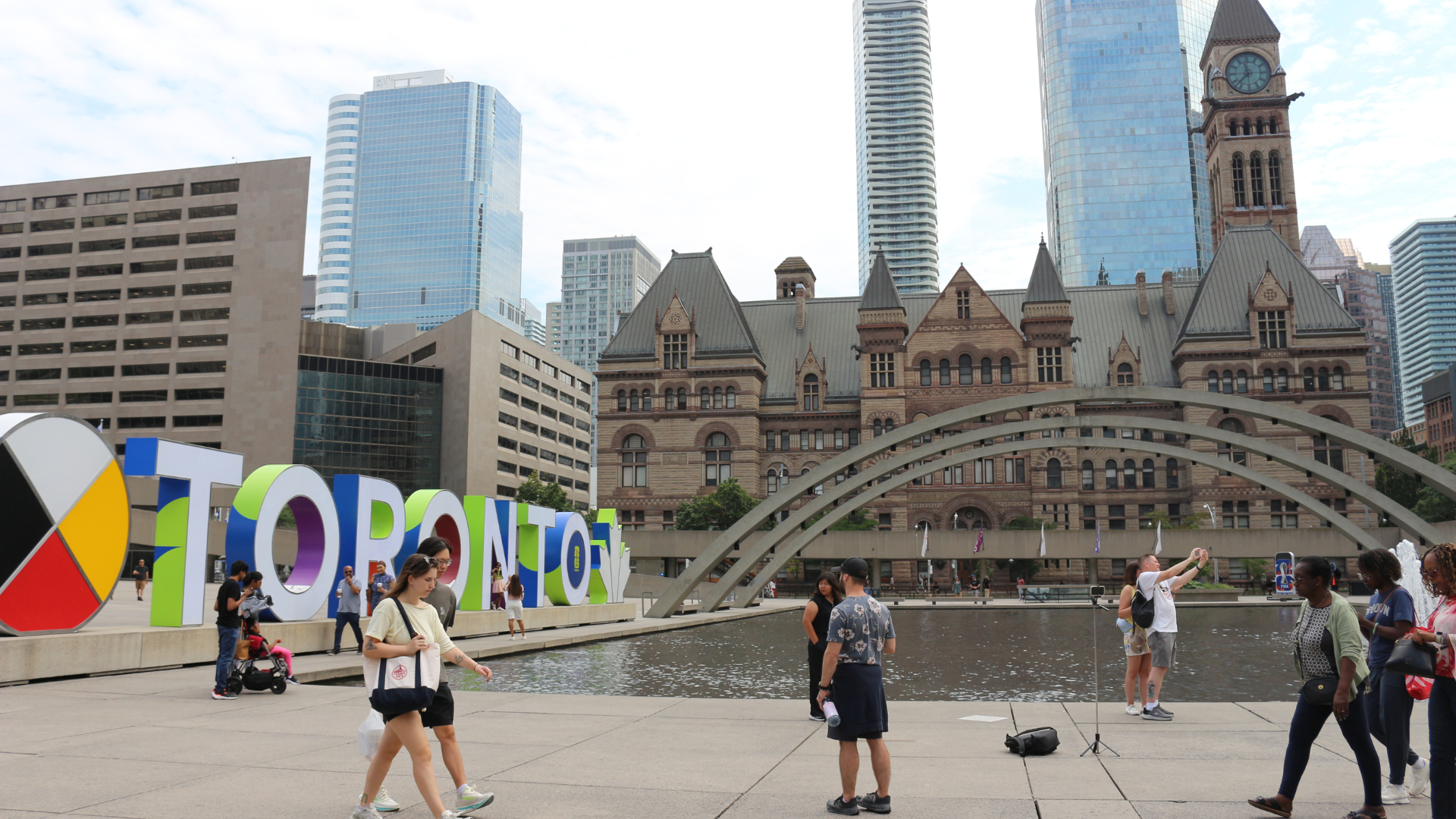
The Green Line published written answers from 17 Toronto mayoral candidates on October 14, covering housing affordability, food insecurity, health care, public consultation, newcomers, the city's relationship with the provincial government, and data centres. Mayor Olivia Chow and challenger Brad Bradford had not submitted answers as of publication, according to the article.
The outlet said it built the survey from questions submitted by its readers, then sent those questions to every mayoral candidate who listed contact information on the City of Toronto's official candidates list.
Candidates who responded
Seventeen candidates submitted answers: Bahira Abdulsalam, Chris Alexander, Jamie Atkinson, Darrell Brown, Braeden Chow, Kevin Clarke, Roberto Curto, Laura Dean, Cory Deville, Jack Hartley, Mohamad Kaaki, Michael Lamoureux, Sarah McVie, Odessa Paloma Parker, Lyall Sanders, Robert Shusterman, and Joshua Thompson.
The Green Line said it would update the page once it received answers from Chow and Bradford.
What candidates said
Each candidate answered up to seven questions. The answers are each candidate's own stated positions and have not been independently checked by voche.me.
On housing, Bahira Abdulsalam wrote in the survey that she would impose a stronger vacant-home tax and higher taxes on luxury properties, with all proceeds going to affordable housing, and provide rent supports for families facing cost pressure.
On food insecurity, Abdulsalam wrote that she would turn city-owned spaces such as libraries, recreation centres and community housing into food hubs with low-cost markets and community kitchens. She also wrote that free transit would put money back into household grocery budgets.
On the city's relationship with the province, Abdulsalam wrote that she would use public impact reports, legal challenges, alliances with other Ontario mayors, and community consultation to push back against provincial decisions affecting Toronto. Chris Alexander wrote in the survey that the relationship should be based on the principles in the City of Toronto Act, and that he would seek negotiated agreements while being realistic that provincial legislation can override municipal decisions.
On data centres, Abdulsalam wrote that companies would pay for any grid upgrades, and that a data centre could not take power capacity needed for homes, transit or schools.
How to read the full answers
The full survey is at thegreenline.to and lets voters compare any candidate's answer to each question by clicking through the accordion sections on the page.
See all mayoral candidates at /on/toronto-2026/candidates#mayor. Voting day is Monday October 26, 2026, with polls open from 10 a.m. to 8 p.m.
Questions this story answers
Which Toronto mayoral candidates answered The Green Line survey?
The Green Line published on October 14 that answers came from Bahira Abdulsalam, Chris Alexander, Jamie Atkinson, Darrell Brown, Braeden Chow, Kevin Clarke, Roberto Curto, Laura Dean, Cory Deville, Jack Hartley, Mohamad Kaaki, Michael Lamoureux, Sarah McVie, Odessa Paloma Parker, Lyall Sanders, Robert Shusterman, and Joshua Thompson. The article said that Olivia Chow and Brad Bradford had not yet submitted their answers as of publication. See all candidates at /on/toronto-2026/candidates#mayor.
What topics did The Green Line survey cover?
The Green Line reported on October 14 that its survey covered seven topics: food insecurity, housing affordability, health care and essential services, public consultation, newcomers, the city's relationship with the provincial government, and the growth of data centres. The outlet said it designed the survey using questions submitted by its readers, and then sent those questions to every mayoral candidate who listed contact information on the City of Toronto's official candidates list.
Why hadn't Olivia Chow and Brad Bradford submitted answers to The Green Line survey?
The Green Line's article published October 14 stated that Olivia Chow and Brad Bradford had not yet submitted their answers, and that the outlet would update the page when it received their responses. The article did not say why the two candidates had not answered. See Olivia Chow's candidate page at /on/toronto-2026/candidates/olivia-chow and Brad Bradford's at /on/toronto-2026/candidates/brad-bradford.
What did Bahira Abdulsalam say about housing in The Green Line survey?
According to The Green Line's survey published October 14, Bahira Abdulsalam said her plans include a one-year freeze on residential property taxes, speculator taxes with proceeds going to affordable housing, and rent supports for families. She said the city should turn city spaces into food hubs and that free transit would put money back into households' grocery budgets. These are Abdulsalam's own stated positions and have not been independently checked by voche.me.
What did candidates say about the city's relationship with the provincial government?
The Green Line published on October 14 that several candidates described how they would handle conflicts with Queen's Park. Bahira Abdulsalam said in the survey that she would use impact reports, legal action, alliances with other mayors, and public consultation to push back against provincial decisions that affect Toronto. Chris Alexander said the City of Toronto Act requires the relationship to be based on mutual respect and consultation, and that he would aim to negotiate agreements while being realistic that provincial legislation can override municipal decisions. These are the candidates' own stated positions.
What did candidates say about data centres?
The Green Line published on October 14 that it asked candidates about the growth of data centres in Toronto. Bahira Abdulsalam said in the survey that under her plan, companies building data centres would pay for any grid upgrades rather than families through their hydro bills, and that a data centre could not take power capacity needed for homes, transit or schools. These are Abdulsalam's own stated positions, sourced from the survey.
How did The Green Line choose the survey questions?
The Green Line reported on October 14 that it asked its readers to share their top questions and concerns about the Toronto election, and then raised those questions to every mayoral candidate who listed contact information on the City of Toronto's official candidates list. The survey asked candidates to focus on what they could realistically accomplish in a four-year term and to explain what actions they would take within the City's existing powers on issues that fall partly outside the City's jurisdiction.
When is voting day in the Toronto municipal election?
Voting day in the Toronto municipal election is Monday October 26, 2026. Polls are open from 10 a.m. to 8 p.m. To find your voting place, check your Voter Information Card or visit toronto.ca/Elections. Advance voting is now closed. See all mayoral candidates at /on/toronto-2026/candidates#mayor.
Sources
The pages this story draws on. Open one to check a claim yourself.
- The Green Line: Toronto election mayoral candidate surveythegreenline.to
- City of Toronto: Official candidate listtoronto.ca
Found an error? Tell the editors with the corrections form. A correction is noted on the story it changes. Read our standards.