North Shore Rescue warns West Vancouver hikers as winter conditions reach Cypress
After rescuing two hikers stuck on the Baden Powell Trail near Cypress on October 28, North Shore Rescue is reminding everyone heading into the West Vancouver mountains what to bring and what to do if they get lost.
Long read. The subject the most local outlets covered that day, with the public record behind it. Every outlet and record is linked under the story. Read the original report on northshorerescue.com.
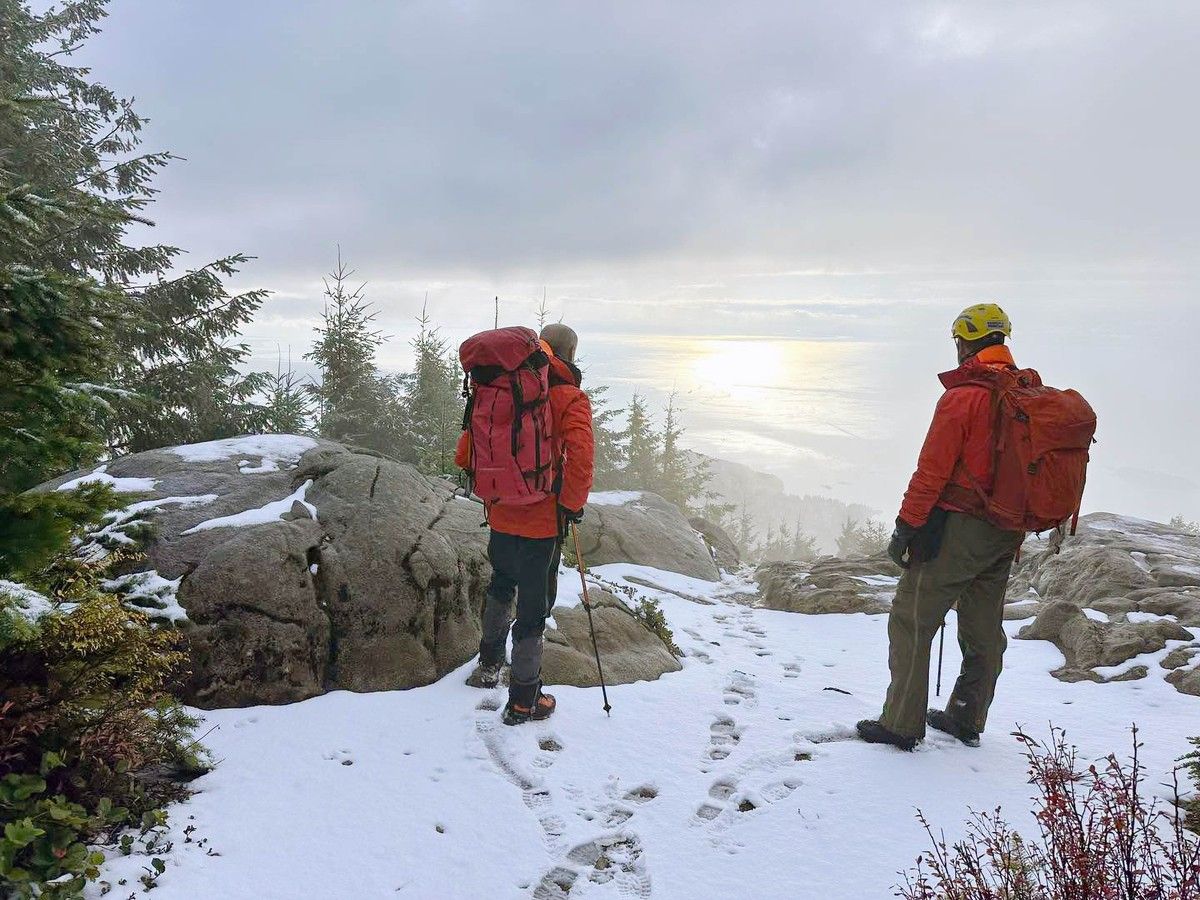
North Shore Rescue pulled two hikers off the Baden Powell Trail near Cypress on October 28, 2026, after the men got stuck in a snowy section of boulders near the Eagleridge Bluffs lookout. The two, visiting from Calgary, could not go up or down safely. Now, with winter conditions settling on the West Vancouver mountains, the team is repeating its message about what to bring and what to do if something goes wrong.
"They had no idea of the conditions," Dave Barnett, North Shore Rescue's search manager, told the Vancouver Sun on November 5, 2026. "It's a long, tiring, aggressive hike with significant elevation, and there had been snow."
What went wrong on October 28
The hikers set out on what they thought would be an easy day hike from Horseshoe Bay to Cypress along the Baden Powell Trail. The trail crosses steep terrain with significant elevation, and the rocky sections near Eagleridge Bluffs were icy after recent snowfall. Without micro spikes, poles or warm gear suited for winter conditions, the two men reached a section they could not safely pass.
Barnett said the men made the right choice: they stopped, stayed where they were, and called for help while it was still daylight. A daytime rescue is less dangerous for everyone involved.
"When you find someone that's been out overnight and on the brink of serious injury or death, they are so elated," Barnett told the Vancouver Sun.
What North Shore Rescue says you need
North Shore Rescue's outdoor safety page at northshorerescue.com lists the 10 things the team asks every hiker to bring. In winter, several of these matter more than usual.
Footwear is at the top of the list. Barnett told the Vancouver Sun that more than half of the team's calls involve people wearing unsuitable shoes. A sturdy hiking boot reduces the chance of a twisted ankle or a broken knee on wet or icy ground.
Navigation is the second issue the team raises. A trail app that shows contours is what the team recommends: not Google Maps or Apple Maps, which do not show terrain detail well enough for backcountry routes. The team's education page lists the full 10 essentials, including an emergency shelter, a way to signal for help, and layers: a warm insulating jacket and a waterproof layer on top.
Hypothermia is a real risk. Barnett told the Vancouver Sun that hikers often remove layers on the way up and then wait too long to put them back on when they stop. "If you wait 15 or 20 minutes, you could be too cold," he said.
What to do if you get lost
North Shore Rescue's outdoor safety page says the most important thing is to stay put once you realise you are lost. Moving almost always takes a person farther from their last known location, making it harder for rescuers to find them.
Call 9-1-1 as soon as you know you are lost or injured. The team's about-us page says there is no charge for rescue, and the team does not support charging because a cost would cause people to delay the call. Barnett has seen the difference: a person found before dark is a rescue, not a recovery.
If you have a signal device: three whistle blasts means help. A mirror, flashlight or fire also works. The team says to build or find shelter to reduce exposure to wind and cold while waiting.
Leave a trip plan with a friend before you go, the team asks: a plan names the trail, the route and when you expect to be back, so someone will notice if you are overdue.
How North Shore Rescue works
North Shore Rescue's own about-us page says the team responds to 130 operations each year on average. Some operations last multiple days. The team has operated since 1965, making it one of the oldest search and rescue groups in Canada. Its area covers the North Shore mountains, which include the trails above West Vancouver, Cypress Mountain and the routes in the Eagleridge and Cypress Bowl areas.
The team runs entirely on volunteers. The Vancouver Sun reported on November 5, 2026 that it receives part of a $6 million annual provincial contribution split among 80 rescue organisations across British Columbia. Donations from individuals, clubs and companies fill the rest of the budget.
What is open at Cypress this winter
Cypress Mountain's ski area opens when conditions allow; the mountain's own website lists current conditions and opening dates. The Baden Powell Trail runs year-round but the section above Horseshoe Bay takes winter gear as soon as snow arrives. West Vancouver has no formal permit or booking requirement for day hiking, but the District's parks pages list trailhead information.
What you can do now
Before heading into the West Vancouver mountains this winter, North Shore Rescue asks everyone to:
- Leave a trip plan with a friend, naming the trail and your expected return time.
- Check the full 10 essentials list at northshorerescue.com before you pack.
- Bring a trail navigation app that shows contours, not a phone map app.
- Wear or pack sturdy hiking boots, micro spikes for icy terrain, and a waterproof outer layer.
- Call 9-1-1 early if something goes wrong: there is no cost and an early call makes a safe outcome much more likely.
Questions this story answers
What happened on October 28, 2026 on the Baden Powell Trail near Cypress?
Two hikers from Calgary got stuck in a steep section of boulders near the Eagleridge Bluffs lookout on Cypress. The section was icy after snowfall, and they could not safely go up or down. They called for help, and North Shore Rescue reached them during daylight. Dave Barnett, the team's search manager, told the Vancouver Sun on November 5, 2026 that the men made the right decision to call early.
What does North Shore Rescue say every hiker must bring into the West Vancouver mountains?
North Shore Rescue's outdoor safety page lists 10 things to bring: a navigation tool (a trail app that shows contours, not Google or Apple Maps), sun protection, layers of insulation including a warm jacket and a waterproof layer, lighting, first aid supplies, fire-starting gear, tools and a knife, food and water, an emergency shelter, and a way to signal for help. Barnett told the Vancouver Sun that sturdy hiking boots are one of the most important items: more than half of their calls involve unsuitable footwear.
What should a hiker do if they get lost on a West Vancouver trail?
North Shore Rescue says to stay put once you realise you are lost. Moving usually takes a person farther from their last known location. Call 9-1-1 as soon as you know you are lost or injured. There is no cost for rescue, and calling early gives the team a better chance of reaching you before conditions get worse. Use a whistle (three blasts means help), a mirror, a flashlight or a fire to signal your location.
How many operations does North Shore Rescue run each year?
North Shore Rescue's own about-us page says the team responds to 130 search and rescue operations each year on average. Some operations last multiple days. The team has been running since 1965, which makes it one of the oldest search and rescue groups in Canada.
How is North Shore Rescue funded?
North Shore Rescue relies on donations from individuals, service clubs and companies. The Vancouver Sun reported on November 5, 2026 that it also receives part of a $6 million annual contribution from the provincial government, which is split among 80 rescue organisations across British Columbia.
Why does North Shore Rescue not charge for rescues?
North Shore Rescue's about-us page says the team does not support charging for rescues because a lost or injured person might delay calling for help if they fear the cost. Calling early gives rescuers the best chance of reaching someone safely. There is no fee for the service.
What is the Baden Powell Trail and why is it considered difficult in winter?
The Baden Powell Trail runs across the North Shore mountains and passes through West Vancouver. The section between Horseshoe Bay and Cypress includes steep terrain with significant elevation gain, and after snowfall the boulders and rocky sections become slippery. Dave Barnett told the Vancouver Sun on November 5, 2026 that this route is 'a long, tiring, aggressive hike' and that the two hikers on October 28 'had no idea of the conditions.'
What can a West Vancouver resident do to stay safe this winter on local trails?
North Shore Rescue asks everyone heading into the mountains to leave a trip plan with a friend so someone will notice if they are overdue. Bring the 10 essentials listed on the team's education page at northshorerescue.com. Choose a trail that matches your fitness and skills and set a clear turnaround time. If anything goes wrong, call 9-1-1 early: the team says there is no cost for the rescue and an early call makes a safe outcome much more likely.
Sources
The pages this story draws on. Open one to check a claim yourself.
- North Shore Rescue · Outdoor Safetynorthshorerescue.com
- North Shore Rescue · About Usnorthshorerescue.com
- Vancouver Sun · Being prepared means staying safe on the mountains: North Shore Rescue, by Denise Ryan, November 5, 2026vancouversun.com
- North Shore News · Cypress hikers rescued after getting stuck in winter trail conditions, October 31, 2026nsnews.com
Found an error? Tell the editors with the corrections form. A correction is noted on the story it changes. Read our standards.