BC Conservative government to repeal DRIPA in spring 2027, First Nations warn of consequences
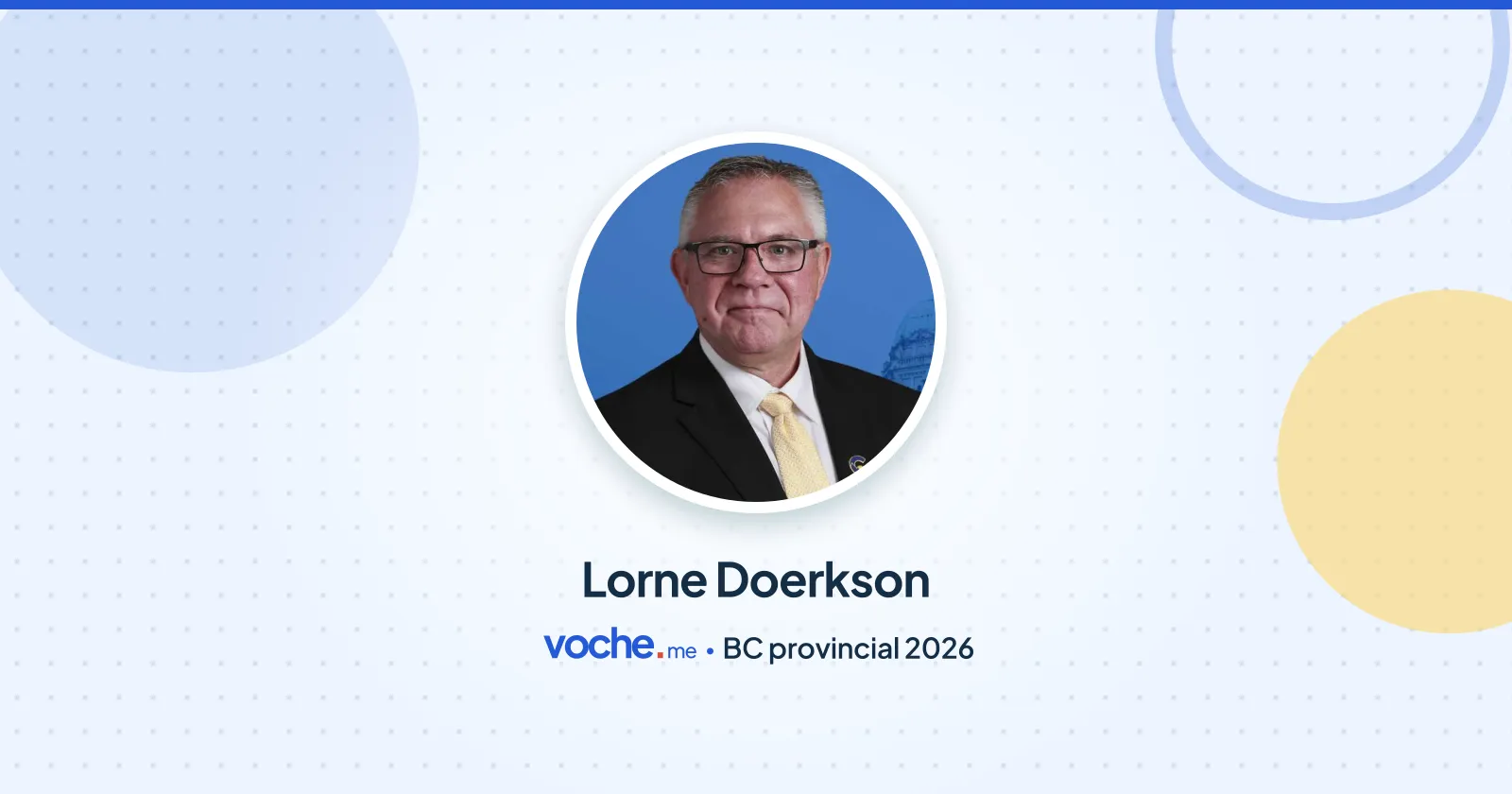
Premier Lorne Doerkson confirmed the repeal of BC's Declaration on the Rights of Indigenous Peoples Act will come in spring 2027, drawing concern from First Nations leaders who say the move could trigger court cases and protests.
Long read. The subject the most local outlets covered that day, with the public record behind it. Every outlet and record is linked under the story. Read the original report on dailyhive.com.
BC Premier Lorne Doerkson confirmed after his cabinet was sworn in that his government will repeal the Declaration on the Rights of Indigenous Peoples Act in spring 2027. First Nations leaders say they are open to talks, but warn the move could lead to court cases and public protests.
The repeal was a central campaign promise. Doerkson's confirmation of a spring 2027 timeline, reported by Daily Hive on November 21, is the first firm date the new government has put on that commitment.
What DRIPA does and why it became contested
BC passed the Declaration on the Rights of Indigenous Peoples Act unanimously in November 2019. The law requires the provincial government to work with Indigenous communities to bring all BC laws into line with the United Nations Declaration on the Rights of Indigenous Peoples. BC is the only Canadian province with a law like this.
The debate over the law intensified after a December 2025 BC Court of Appeal ruling. The court found that BC's old system for registering mineral claims without first consulting affected First Nations was inconsistent with UNDRIP. The ruling also found that courts can declare a provincial law inconsistent with UNDRIP, though the law stays in force. That case is now before the Supreme Court of Canada.
Conservatives, business groups and some municipal governments argued this gave courts too much say over decisions they believe elected officials should make. The former BC NDP government of David Eby shared some of that concern but chose not to change the law.
What Doerkson said after taking office
After the November 20 swearing-in ceremony, Doerkson told media he is "absolutely committed" to repealing DRIPA. He said the law had not resolved disputes that still end up in court, and pointed to First Nations he had met with in his own Cariboo-Chilcotin riding who wanted to build stronger economies.
"I have met with a number of First Nations throughout the province. I'm absolutely committed to repealing DRIPA because it hasn't solved our problems," he said, quoted by Daily Hive. "What will solve this in British Columbia is genuine conversation, respect, and partnerships for First Nations in British Columbia."
When reporters asked whether a replacement law might follow, he ruled it out. "The reality is that I am committed to this and there is nothing else lurking here," he said.
The repeal is now expected to arrive when the legislature holds its first full sitting since the October 24 election, in spring 2027. Doerkson ruled out a brief fall 2026 sitting earlier in the week.
The ministers who will carry it out
Doerkson named Caroline Elliott, the MLA for West Vancouver-Capilano, as Attorney General. Daily Hive reported that Elliott has argued the provincial government gave up too much of its authority and collective public good interests for reconciliation during the BC NDP years.
Scott McInnis, the MLA for Columbia River-Revelstoke, is the new Minister of Indigenous Relations and Reconciliation. McInnis first called for DRIPA's repeal almost a year ago while serving as the opposition critic for the same ministry. He now carries the task of building the partnerships Doerkson has promised with First Nations leaders who want the law kept.
What First Nations leaders are saying
First Nations Summit Political Executive Robert Phillips said on November 22 that he will try to work with Doerkson. He told CHEK News that the premier has built "many really good relationships" with First Nations during his time as an opposition MLA, and that he hopes Doerkson continues on that path.
But Phillips said the repeal worries him. He said it could trigger court cases and what he called direct action in the form of protests. He said he is against direct confrontation and wants to get back to the table in finding areas of agreement, but that the repeal of DRIPA cannot be part of the deal.
The First Nations Leadership Council had already urged Doerkson to keep the law after the October 24 election, arguing DRIPA gives both the government and First Nations a clearer way to make decisions that respect existing rights. Grand Chief Stewart Phillip, president of the Union of British Columbia Chiefs, went further and said the repeal plan would amount to what he called a declaration of war.
What the platform promised and where the tracker stands
The Conservative Party of BC platform, on page 46, lists the repeal of DRIPA under its commitment to protect private property rights. The voche.me promise tracker records the repeal as a government promise with a current status of not started. The tracker will update when legislation is introduced.
You can follow the repeal promise at the BC provincial tracker.
What comes next
The first full sitting of the legislature is set for spring 2027. That is when Doerkson's government has said it will introduce repeal legislation. Between now and then, First Nations leaders including Phillips say they want to meet with Doerkson and his ministers, and to find ground for agreement short of keeping the law. Whether those talks lead anywhere before the bill is tabled will shape how much opposition the repeal faces in the legislature and outside it.
Questions this story answers
What is DRIPA and why does it matter in BC?
DRIPA stands for the Declaration on the Rights of Indigenous Peoples Act, which BC passed in November 2019. It requires the provincial government to work with Indigenous communities to bring all BC laws in line with the United Nations Declaration on the Rights of Indigenous Peoples. BC is the only Canadian province with a law like this. In December 2025, the BC Court of Appeal ruled that BC's old system for registering mineral claims without first consulting affected First Nations was inconsistent with UNDRIP, adding urgency to the debate over DRIPA's reach and enforceability.
When will the BC Conservative government repeal DRIPA?
Premier Lorne Doerkson confirmed after his cabinet was sworn in on November 20, 2026, that the repeal will come in spring 2027, when the legislature holds its first full sitting since the October 24, 2026 election. A brief fall 2026 sitting was ruled out. Daily Hive reported this on November 21, 2026, based on comments Doerkson made to media after the swearing-in ceremony.
Will the government introduce a replacement law after repealing DRIPA?
Doerkson said no. When asked whether a replacement law mirroring DRIPA in some way might follow, he told media: 'The reality is that I am committed to this and there is nothing else lurking here.' He said the way forward is through what he called genuine conversation, respect, and partnerships with First Nations, not through a new law.
What is the Conservative party's platform promise on DRIPA?
The Conservative Party of BC platform, on page 46, lists the repeal of DRIPA under its pledge to protect private property rights. Businesses, industry groups and some municipal governments have argued that DRIPA creates investment uncertainty. The platform promised to repeal the law, and Doerkson's confirmation of a spring 2027 timeline is the first step toward keeping that promise.
What do First Nations leaders say about the repeal plan?
First Nations Summit Political Executive Robert Phillips said on November 22, 2026, that he will try to work with Doerkson and acknowledged the premier has built strong relationships with First Nations during his time as an opposition MLA. However, Phillips said the repeal could trigger court cases and what he called direct action in the form of protests. He said he wants to get back to the table and find areas of agreement, but without the repeal of DRIPA.
Who are the ministers responsible for DRIPA and reconciliation in the new cabinet?
Doerkson named Caroline Elliott, the MLA for West Vancouver-Capilano, as Attorney General. Daily Hive reported on November 21 that Elliott has argued the provincial government gave up too much of its authority for reconciliation. Scott McInnis, the MLA for Columbia River-Revelstoke, is the new Minister of Indigenous Relations and Reconciliation. McInnis first called for DRIPA's repeal nearly a year ago while serving as the opposition critic for the same ministry.
What is the First Nations Leadership Council's position on DRIPA?
The First Nations Leadership Council has urged Doerkson to keep the law. After the October 24, 2026 election, the council said it was ready to work with the Conservatives and argued that DRIPA gives the provincial government and First Nations a clearer way to make decisions that respect existing rights. Grand Chief Stewart Phillip, president of the Union of British Columbia Chiefs, said after the election that the repeal plan would amount to what he called a declaration of war.
Where can I track whether the DRIPA repeal promise is kept?
The voche.me promise tracker follows the BC Conservative government's platform commitments, including the DRIPA repeal. The repeal is currently listed with a status of not started. The tracker will update when legislation is introduced in spring 2027. You can follow it at the BC provincial tracker page.
What does the BC Court of Appeal ruling mean for the DRIPA debate?
In December 2025, the BC Court of Appeal ruled that BC's old system for registering mineral claims without first consulting affected First Nations was inconsistent with UNDRIP. The ruling also found that courts can declare a provincial law inconsistent with UNDRIP, though the law stays in force. That case is now before the Supreme Court of Canada. Conservatives and business groups have cited this ruling as evidence that DRIPA gives courts too much influence over decisions they believe elected officials should make.
Sources
The pages this story draws on. Open one to check a claim yourself.
Found an error? Tell the editors with the corrections form. A correction is noted on the story it changes. Read our standards.