Alex Lawson proposes 200-bed addiction recovery centre on Greenbelt land
Ottawa mayoral candidate Alex Lawson has released a drug recovery plan that calls for a 200-bed facility on leased National Capital Commission land in the Greenbelt.
Reported. A news outlet found this. voche.me names the outlet and links its report. Read the original report on ctvnews.ca.
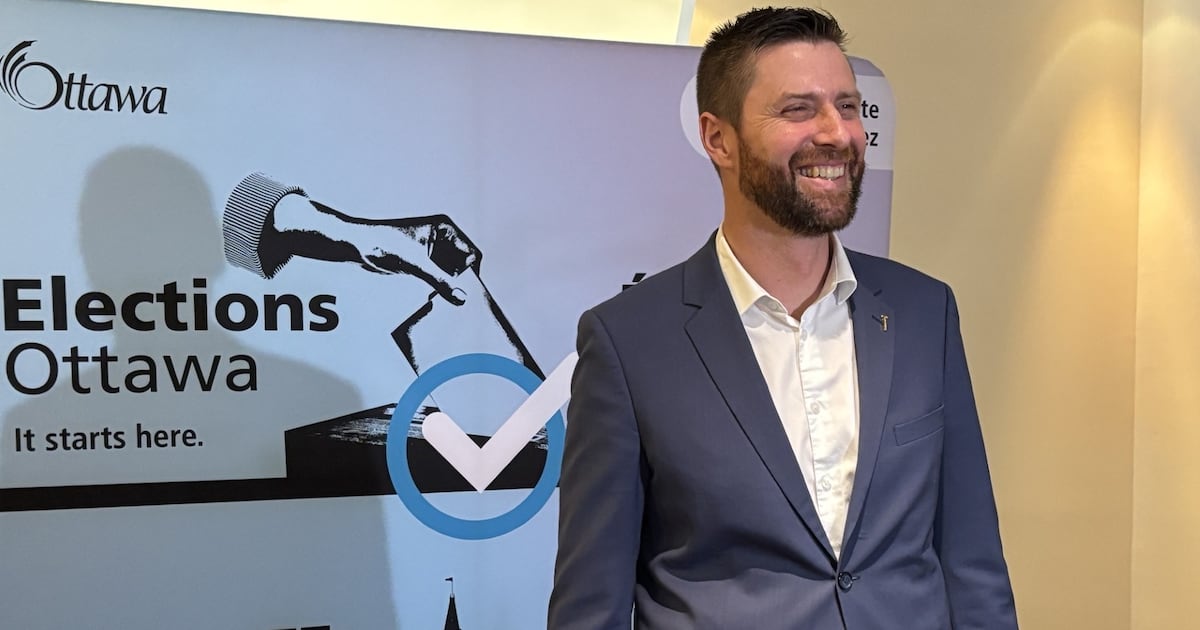
Ottawa mayoral candidate Alex Lawson released a detailed drug recovery plan on October 9, 2026, with a 200-bed addiction recovery centre on leased land in the Greenbelt as its main element. CTV News reported the plan's details.
Lawson calls the proposed facility the HopeWorks Recovery Campus. His platform says it would be built in two phases of 100 beds each, on land leased from the National Capital Commission. According to the platform, the province would pay for treatment, residents would stay up to ten months, and they would train in food and agriculture, building maintenance or the construction trades. His platform says residents would leave with a job, a place to live and a year of aftercare. No new property tax is proposed, with the City contributing fast-tracked approvals, transit access and existing addiction contracts redirected to results-based funding.
Lawson's platform gives a reason for placing the facility in the Greenbelt: he says it would avoid pushback from residents who would oppose such a centre in their neighbourhood. The Greenbelt is owned by the NCC and other federal agencies and has strict rules on development across its more than 20,000 hectares.
CTV News reported Lawson as saying Ottawa has about 38 withdrawal management beds for a city of more than one million people, with only 12 of those being medical. His platform says people leaving detox without a clear next step face their highest risk of dying after they leave.
The plan also includes police enforcement against drug dealers and public drug use, with treatment conditions attached to tickets. Lawson's platform proposes a sobering unit inside Ottawa Police Service headquarters on Elgin Street, staffed with a nurse, where paramedics and police could bring intoxicated people. His platform also proposes expanding the province's Homelessness and Addiction Recovery Treatment (HART) Hub program, requiring nurse or pharmacist supervision for anyone taking prescribed opioids, and limiting the supply of drugs used to treat opioid use disorder to prevent reselling. Naloxone would remain widely available under the plan, CTV News reported.
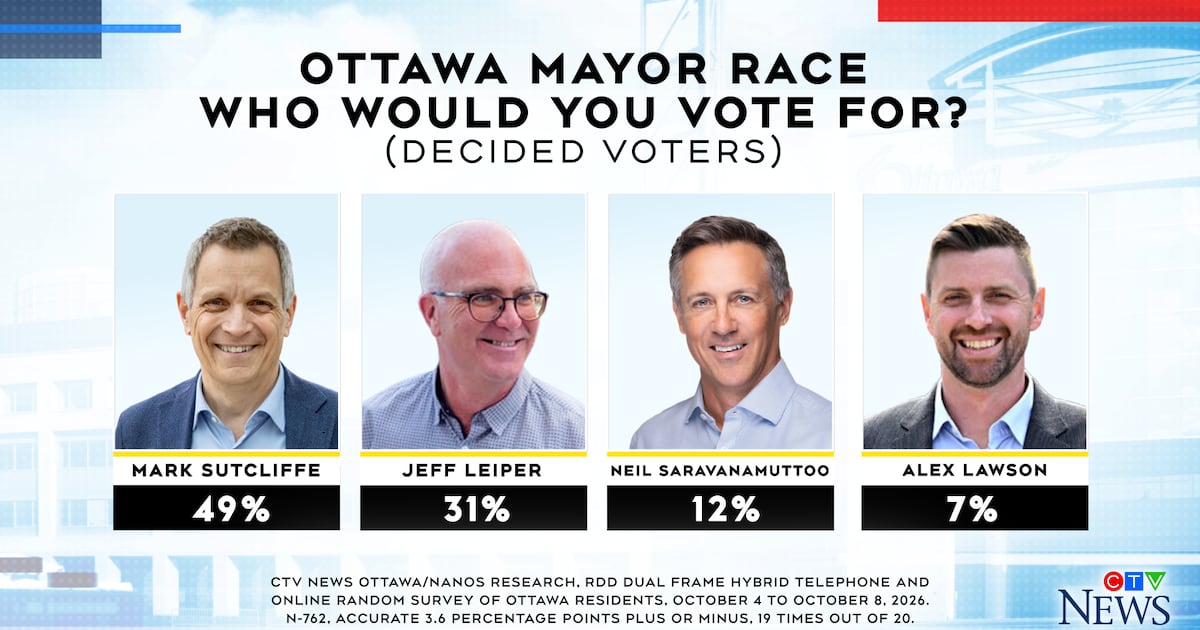
Other mayoral candidates have their own proposals on the same issue. CTV News reported that incumbent mayor Mark Sutcliffe's public safety plan includes expanding the non-police Alternative Neighbourhood Crisis Response (ANCHOR) program and revoking business licences from so-called pill mills in areas such as Chinatown, Centretown and Lowertown, as well as exploring mandatory care in specific cases. Candidates Jeff Leiper and Neil Saravanamuttoo have both promised to expand ANCHOR citywide. Saravanamuttoo's platform says he would provide same-day access to detox and recovery beds. Leiper's platform would tie future ANCHOR growth to increases in the police budget.
Voting day is Monday, October 26. An advance voting day is Friday, October 16. Fourteen candidates are running for mayor of Ottawa. Their profiles are at voche.me/on/ottawa-2026/candidates#mayor.
Questions this story answers
What is Alex Lawson's drug recovery plan?
CTV News reported on October 9 that Alex Lawson's platform calls for a 200-bed addiction recovery centre on leased National Capital Commission land in the Greenbelt. His platform calls it the HopeWorks Recovery Campus. According to his platform, residents would stay up to ten months, receive treatment paid for by the province, train in trades such as food and agriculture or construction, and leave with a job, housing and a year of aftercare.
Why does Lawson want to put the centre in the Greenbelt?
Lawson says in his platform that placing the facility on Greenbelt land would avoid pushback from neighbourhoods that would oppose such a facility nearby. He says Greenbelt land gives people the space they need to recover without placing the facility in any residential area. The Greenbelt is owned by the NCC and other federal agencies and has strict rules around development on its more than 20,000 hectares.
How many withdrawal management beds does Ottawa currently have?
CTV News reported Lawson as saying Ottawa has about 38 withdrawal management beds for a city of more than one million people, and that only 12 of those are medical. Lawson's platform says this is insufficient and that people leaving detox without a clear next step face their highest risk of dying after they leave.
What else is in Lawson's drug recovery plan?
Beyond the Greenbelt campus, Lawson's platform proposes working with the provincial government to expand its Homelessness and Addiction Recovery Treatment (HART) Hub program, requiring nurse or pharmacist supervision for anyone taking prescribed opioids, and limiting the supply of drugs used to treat opioid use disorder to prevent reselling. Naloxone would remain widely available. His platform also proposes a sobering unit inside Ottawa Police Service headquarters on Elgin Street, staffed with a nurse.
How does Lawson's plan compare with what other mayoral candidates have proposed?
CTV News reported that incumbent mayor Mark Sutcliffe's public safety plan includes expanding the non-police Alternative Neighbourhood Crisis Response (ANCHOR) program and revoking business licences from so-called pill mills in areas including Chinatown, Centretown and Lowertown. Candidates Jeff Leiper and Neil Saravanamuttoo have both promised to expand the ANCHOR program citywide. Saravanamuttoo's platform says he would provide same-day access to detox and recovery beds. Leiper's platform says he would tie future ANCHOR growth to increases in the police budget.
Would Lawson's plan require new property tax?
According to his platform as reported by CTV News, Lawson says the plan would involve no new property tax. He says the National Capital Commission would provide a long-term lease of Greenbelt land, housing programs would provide recovery housing units, and the City of Ottawa would contribute fast-tracked approvals, transit access and existing addiction contracts redirected to results-based funding.
What is the proposed timeline for the first phase?
Lawson's platform says the first phase of 100 beds would be built within three to four years of him being elected mayor. A second phase would add another 100 beds. CTV News reported these details on October 9, 2026.
When is Ottawa's voting day and where can I learn more about the candidates?
Ottawa's municipal voting day is Monday, October 26, 2026. An advance voting day is Friday, October 16. You can read profiles of all the mayoral candidates, including Alex Lawson and Mark Sutcliffe, at voche.me under the Ottawa 2026 section. The City of Ottawa's candidate list is available through the City's open data pages.
Sources
The pages this story draws on. Open one to check a claim yourself.
Found an error? Tell the editors with the corrections form. A correction is noted on the story it changes. Read our standards.
Topics
More from voche.me
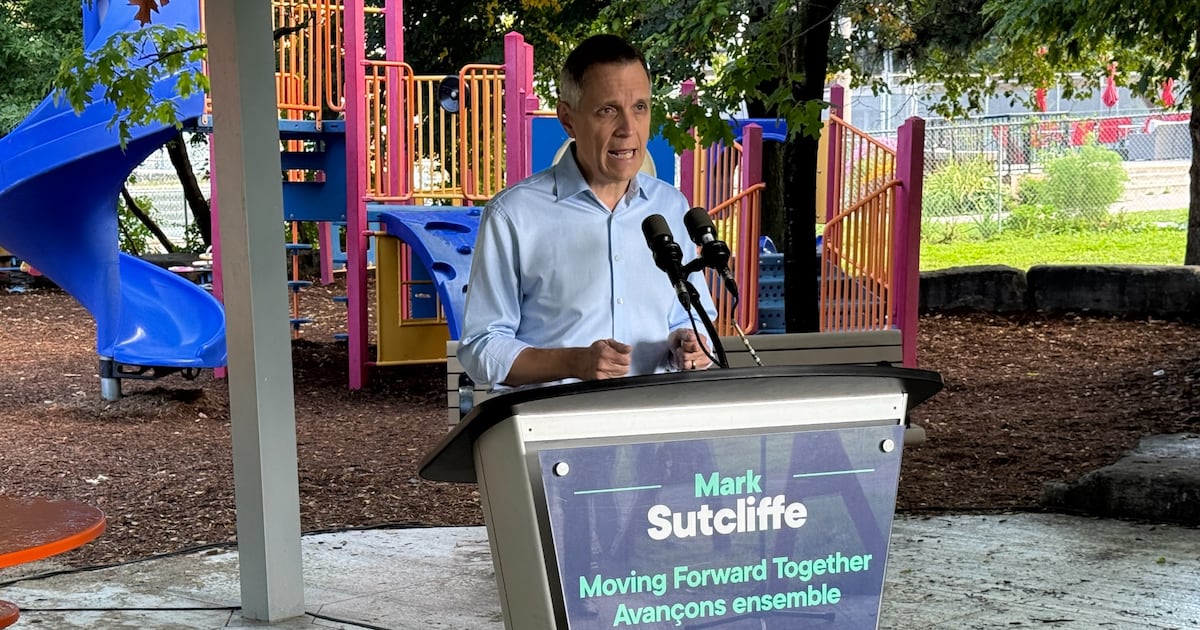
Sutcliffe promises community-wide strategy for mental health and drug crises