College Ward councillor wants flood analysis after 4,000 homes were damaged in July
Laine Johnson says she will make stormwater answers her top priority in her second term, pressing for a report on why College Ward was hit so hard in the July 1 storm.
Long read. The subject the most local outlets covered that day, with the public record behind it. Every outlet and record is linked under the story. Read the original report on capitalcurrent.ca.

On July 1, 2026, a storm flooded 5,000 homes across Ottawa. Four thousand of them were in one ward.
That number is what College Ward councillor Laine Johnson is bringing into her second term on Ottawa City Council. Re-elected in October, Johnson told Capital Current on November 18 that understanding why her ward took the worst of the July damage is now her top priority for the next 12 months.
"People are desperate for answers," she said. "The provincial government didn't show up for them."
What happened on July 1
The storm hit the whole city, but College Ward absorbed the largest share. Capital Current reports that 4,000 of the 5,000 homes flooded citywide were in Johnson's ward, which covers the area from Clyde Avenue to Eagleson Drive in Ottawa's west end.
The July 1, 2026 storm dropped 167 millimetres or more of rain on parts of Ottawa, according to CTV News, which reported in October that city staff identified College Ward, Bay Ward and Knoxdale-Merivale as the three wards hit hardest. More than 6,600 basement flooding reports came in after that storm, CTV News reported.
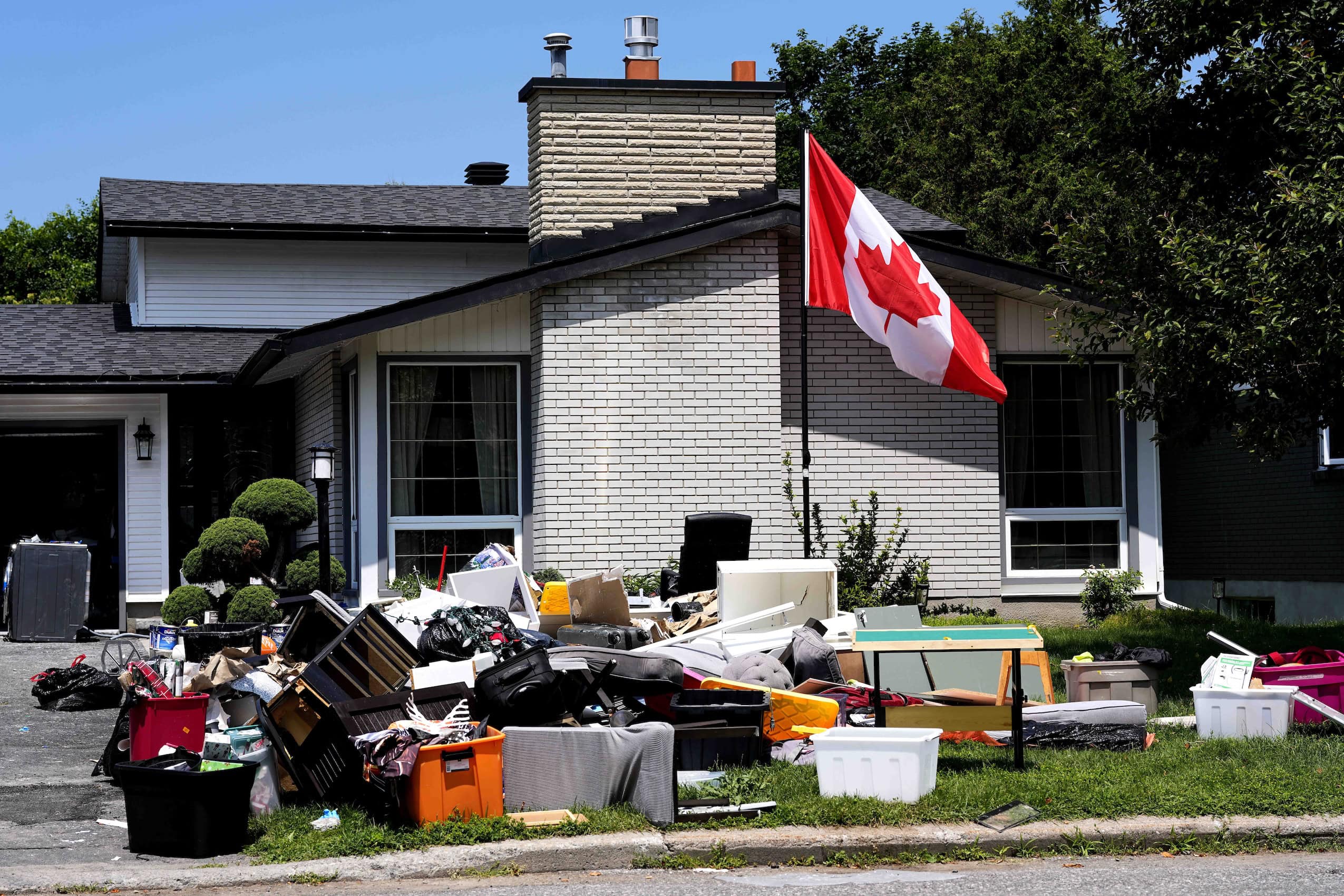
Many residents are still managing sewage basement damage months later, Capital Current reported.
What Johnson is asking for
Johnson is requesting a full infrastructure assessment of College Ward's stormwater performance during the July 1 storm, to be delivered within four months of her taking office. She expects the report by early 2027.
The assessment, as described to Capital Current, would cover three areas: how the ward's system performed during the storm, where the capacity gaps are, and what the Inlet Control Devices contributed.
Inlet Control Devices regulate how water enters the stormwater system. Johnson told Capital Current that their performance during the July 1 storm is a central question she wants the analysis to answer. She was explicit that this is "my primary order of business for the next 12 months" and that she will push for it even without provincial funding.
The report would go before City Council once complete and would become the basis for any capital spending decisions.
Why the ward was hit harder
Ottawa's newer suburban areas tend to have stormwater infrastructure built to current standards, with separate systems for storm and sanitary water. Older sections of the city have aging or undersized systems that were built before those standards existed. College Ward contains areas in both situations.
Johnson describes the core problem in plain terms: "There weren't enough places for the water to go." When a heavy storm arrives faster than the drainage system can move it, water backs up through floor drains into basements.
The City currently offers a $1,000 compassionate grant to residents affected by basement flooding caused by sewer surcharging, CTV News reported in October. After the July 1 storm, hundreds of residents applied. For many, the grant has not covered the full cost of repairs.
Johnson's request does not name a specific infrastructure project yet. That depends on what the analysis finds. But she is asking for the analysis first, because residents have had no official explanation for why their ward bore 80 percent of the citywide flooding total on July 1.
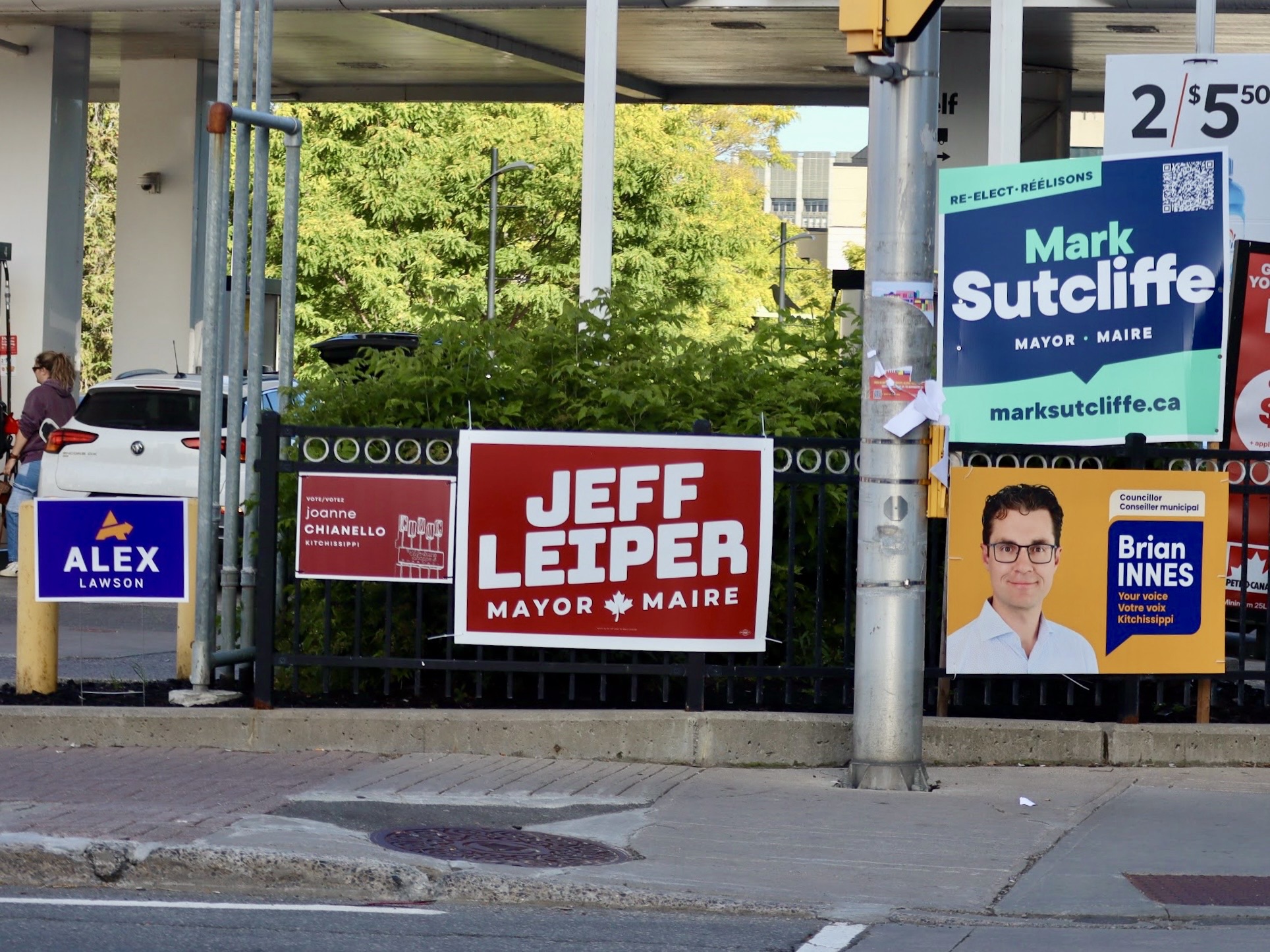
Before the October vote, flooding had already become a central issue in the College Ward race. The Algonquin Times reported on candidates' positions on transit and housing in the ward, and stormwater repair came up as a priority for residents throughout the campaign. Johnson carried the issue into her second term as a direct response to the summer's damage.
What the provincial government did not do
Johnson was direct with Capital Current about the province. Ontario did not step in with disaster relief or flood mitigation funding for the wards hit hardest. She says she will not wait for the province to act before asking the city to begin its own analysis.
The City of Ottawa runs the stormwater system, so the analysis would be a city undertaking regardless of provincial involvement. But provincial funding could matter later, when it comes to paying for infrastructure upgrades that the analysis may recommend.
During the October campaign, mayoral candidate Jeff Leiper had proposed a $50-million commitment to sewer and green infrastructure upgrades in Bay, College and Knoxdale-Merivale wards, the three areas city staff identified as hardest hit. Leiper did not win, but the funding gap he described remains: residents in those wards are still managing damage while the City has committed no capital program specific to the July 1 storm.
What comes next
If City Council accepts Johnson's request, residents can expect a staff report by early 2027 outlining what failed on July 1 and what could be done. That report would then go to Council for a decision about next steps, which could include capital spending in the ward's budget.
Residents can follow Johnson's work on her page at /on/ottawa-2026/candidates/laine-johnson and track her promises at /on/ottawa-2026/tracker. City Council agendas are posted on Ottawa's public meetings site, where the analysis report will appear once it is tabled.
College Ward residents with questions about the July 1 flooding or the stormwater analysis can contact Johnson through the City of Ottawa website. The analysis, if approved, is due in early 2027.
Questions this story answers
How many homes in College Ward flooded during the July 1 storm?
Capital Current reports that 4,000 homes in College Ward flooded during the July 1, 2026 storm. The citywide total was 5,000 homes, meaning College Ward accounted for most of the damage across Ottawa that day. CTV News had previously reported that city staff identified College Ward as one of three wards hit hardest by that storm.
What is Laine Johnson asking for in response to the flooding?
According to Capital Current, Johnson is asking the City to complete an analysis of the July 1 flooding within four months of taking office. The report would assess how College Ward's stormwater infrastructure performed and examine the role of Inlet Control Devices. She told Capital Current she expects the report by early 2027.
What is Laine Johnson's area as College Ward councillor?
College Ward (Ward 8) covers the area from Clyde Avenue to Eagleson Drive in Ottawa's west end. Laine Johnson was re-elected as councillor there in October 2026 and is now starting her second term on Ottawa City Council.
What does Johnson say is the main cause of the flooding?
Capital Current quotes Johnson saying the core problem was that there were not enough places for the water to go. She points to the aging stormwater and sewer system in her ward, which lacks the capacity to handle the volume of water that arrives during an extreme rain event. The July 1 storm dropped 167 millimetres or more of rain on parts of Ottawa, according to CTV News.
What role did Inlet Control Devices play in the flooding?
Johnson told Capital Current she wants the city analysis to investigate the role of Inlet Control Devices in the July 1 flooding. These devices regulate how water enters the stormwater system. Their performance during the storm is a central question in the analysis she is requesting, though no conclusion has been reached yet.
Did the provincial government help with flood relief after July 1?
Johnson told Capital Current that the provincial government did not show up for residents affected by the flooding. She said residents are desperate for answers and that she will push the city for an analysis even without provincial funding committed to the work.
When will residents know more about what caused the flooding?
Johnson expects a city analysis by early 2027. She told Capital Current this is her primary order of business for the next 12 months. Residents can follow the issue through Ottawa City Council and through Laine Johnson's page at /on/ottawa-2026/candidates/laine-johnson.
Is this flooding analysis something City Council will vote on?
Capital Current reports that Johnson is requesting an infrastructure assessment as part of her second-term agenda, which will come before City Council. The request is for the analysis to be delivered within four months of her taking office, placing the expected report in early 2027. That report would then be the basis for any capital spending proposals.
Sources
The pages this story draws on. Open one to check a claim yourself.
- Capital Current: Laine Johnson wants answers about College Ward floodingcapitalcurrent.ca
- Capital Current: College Ward candidates on transit and housing (October 2026)algonquintimes.com
- CTV News Ottawa: Leiper pledging $50M in sewer upgrades in 3 wardsctvnews.ca
- Ottawa City Council promise tracker: Laine Johnsonvoche.me
Found an error? Tell the editors with the corrections form. A correction is noted on the story it changes. Read our standards.