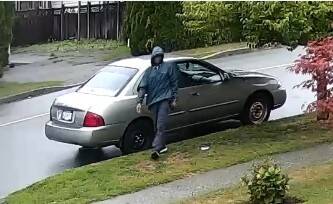
Burnaby RCMP stops truck with failed brakes on Royal Oak Avenue steep hill
Three outlets reported on a Burnaby RCMP commercial vehicle inspection in early October that found a truck with six overheated brakes, an air line that ruptured during the check, and cargo that was not tied down.
Long read. The subject the most local outlets covered that day, with the public record behind it. Every outlet and record is linked under the story. Read the original report on freshetnews.ca.
A commercial truck drove onto Royal Oak Avenue in Burnaby on October 8, 2026, heading toward one of the steepest residential hills in the city. It was on a road where heavy vehicles are not permitted. A Burnaby RCMP officer stopped it before it reached the hill. By the time the inspection was done, the truck's entire air brake system had failed.
Three outlets reported the story this week: Cornelia Naylor for Freshet News on November 10, Luca N. Avila Slobodianik for Global News on November 10, and Truck News on November 9.
What the inspection found
Const. Kevin Connolly, a designated commercial vehicle inspector with Burnaby RCMP, stopped the truck on Royal Oak Avenue. He heard an audible air leak and found that the truck was struggling to hold normal air pressure. The spring brake, which acts as the parking and emergency brake, was partially engaged. All six brakes were running hot and giving off a strong burning smell.
During the inspection, the primary air line responsible for the leak ruptured. The air brake system failed completely.
Burnaby RCMP told all three outlets that if that failure had occurred while the truck was descending Oakmount Crescent, the driver would probably have lost all braking ability and caused a catastrophic collision at or near the busy intersection of Royal Oak Avenue and Deer Lake Parkway.
What else was wrong with the truck
Const. Connolly found four more violations after the brake failure. The front axle was over its rated weight. The cargo, a Bobcat skid-steer loader, was not properly secured. The driver, described by Freshet News as a 41-year-old from Surrey, was not wearing a seatbelt. And the truck was on Royal Oak Avenue, which is not a designated truck route in Burnaby.
Seven tickets totalling $1,547 were issued. The truck was placed out of service and ordered to an inspection facility before it could continue.
Why truck routes matter on Burnaby's hills
Royal Oak Avenue and Oakmount Crescent sit at the edge of a steep grade that drops toward Deer Lake Parkway. The intersection at the bottom is busy. A commercial truck with a fully loaded axle and working brakes still needs care on that descent. A truck with six overheated brakes and a rupturing air line had no business on that road.
Burnaby designates specific routes for heavy commercial vehicles, keeping them off residential and steep streets where the risk of a brake failure or rollover is higher. A truck on a non-designated road is already in violation before an inspector checks a single brake. Drivers who use non-designated streets often do so to cut time off a route or to reach a jobsite directly. The Royal Oak Avenue truck was hauling a Bobcat skid-steer loader, a piece of construction equipment, suggesting it was headed to a worksite somewhere in the area.
What designated commercial vehicle inspectors do
Officers with the designated commercial vehicle inspector certification are trained to conduct full roadside mechanical inspections alongside their regular police duties. They check brake systems, axle weights, cargo securement, driver licences and logbooks, and vehicle identification documents.
Air brakes are one of the most critical systems on a heavy truck. They work by holding compressed air in the lines. When the driver presses the brake pedal, air pressure is released to engage the brakes at each wheel. If the pressure drops, the spring brakes, which are the parking and emergency brakes, automatically lock the wheels. In the Royal Oak Avenue case, the spring brake was already partially engaged before Const. Connolly's inspection began, which told him the system was losing pressure. When the primary air line ruptured during the check, the full system failed.
When a vehicle fails inspection, the officer issues a ticket for each violation found. A truck placed out of service cannot move under its own power until it passes a full inspection at a certified facility. The purpose is to stop a dangerous vehicle before it continues on public roads. In this case, the truck was stopped on a residential street before it reached the hill. Had the brake failure happened on the downhill, the first warning the driver would have had was the moment the truck stopped slowing down.
What residents can do
Burnaby residents who see a commercial truck on a residential street or a road where heavy vehicles are not allowed can call Burnaby RCMP's non-emergency line at 604-646-9999. The line runs seven days a week from 8 am to 8 pm. For incidents that do not need an immediate police response, the online reporting tool at report.rcmp.ca/burnaby is also available.
The Burnaby RCMP detachment is at 6355 Deer Lake Avenue. The promise tracker at the bottom of this page shows what Mayor Mike Hurley and the eight City councillors committed to on transportation and road safety, and records how they vote as Council meets.
Questions this story answers
What happened during the Burnaby RCMP commercial vehicle inspection in October 2026?
On October 8, 2026, Burnaby RCMP officers stopped a commercial truck on Royal Oak Avenue heading toward Oakmount Crescent, a steep downhill road that is not a designated truck route. Const. Kevin Connolly, a designated commercial vehicle inspector, found an audible air leak in the brake system, all six brakes running hot with a strong burning smell, and the spring brake partially engaged. During the inspection itself, the primary air line ruptured, causing the entire air brake system to fail. The truck was placed out of service and seven tickets totalling $1,547 were issued.
What violations did the Burnaby RCMP officer find on the truck?
Const. Kevin Connolly found six violations on the truck: a failed air brake system with the primary air line rupturing during the inspection, an overweight front axle, cargo that was not properly secured (a Bobcat skid-steer loader), the driver not wearing a seatbelt, and the truck travelling on Royal Oak Avenue, which is not a designated truck route. Seven tickets totalling $1,547 were issued. The truck was placed out of service and ordered to an inspection facility before it could continue.
What did Burnaby RCMP say about what could have happened?
Burnaby RCMP said that if the air brake system had failed while the truck was descending the hill at Oakmount Crescent, the driver would probably have lost all braking ability and caused a catastrophic collision at or near the busy intersection of Royal Oak Avenue and Deer Lake Parkway. The failure actually occurred during the roadside inspection, stopping the truck before it reached the hill.
Where exactly did the inspection take place?
The inspection took place on Royal Oak Avenue in Burnaby. The truck was heading north toward Oakmount Crescent, which leads to a steep downhill grade ending near the busy intersection of Royal Oak Avenue and Deer Lake Parkway. Royal Oak Avenue and Oakmount Crescent are not designated truck routes in Burnaby.
Who is Const. Kevin Connolly?
Const. Kevin Connolly is a designated commercial vehicle inspector with Burnaby RCMP. Designated commercial vehicle inspectors are trained police officers who have completed specific certification to conduct roadside mechanical inspections of commercial vehicles, including checks of brake systems, axle weights, cargo securement and driver documents.
What does it mean for a truck to be placed out of service?
When a commercial vehicle is placed out of service, it is prohibited from moving under its own power until it passes a full inspection at a certified inspection facility. The driver cannot legally continue the trip. In this case, the truck was ordered to an inspection facility to have the brake system repaired before it could return to the road.
What can Burnaby residents do if they see a commercial truck on a street where heavy vehicles are not allowed?
Residents can call Burnaby RCMP's non-emergency line at 604-646-9999 to report a commercial truck on a road where heavy vehicles are prohibited. The non-emergency line is staffed seven days a week from 8 am to 8 pm. For incidents that do not require an immediate police response, residents can also file a report online at report.rcmp.ca/burnaby.
How does Burnaby RCMP's commercial vehicle inspection program work?
Burnaby RCMP has officers who hold designated commercial vehicle inspector certification. These officers can stop commercial trucks and conduct roadside inspections of mechanical systems including brakes, axle weights, cargo securement and driver documents. When a vehicle fails inspection, the officer issues tickets for each violation and can place the vehicle out of service. The program operates across Burnaby's road network, including residential streets where heavy vehicles are prohibited.
Where can Burnaby residents follow how the new City Council is acting on road safety?
The Burnaby promise tracker on this site shows what Mayor Mike Hurley and the eight councillors promised about transportation and road safety during the 2026 election, and records how they have voted on those issues. The tracker is updated as Council meets.
Sources
The pages this story draws on. Open one to check a claim yourself.
- Freshet News: Burnaby truck inspection averts potential catastrophic crash, by Cornelia Naylor, November 10, 2026freshetnews.ca
- Global News: Burnaby RCMP officer prevents accident after inspecting commercial truck, by Luca N. Avila Slobodianik, November 10, 2026globalnews.ca
- Truck News: Truck's air brakes fail during inspection near steep hill in Burnaby, B.C., November 9, 2026trucknews.com
- Burnaby RCMP: Contact information and non-emergency linercmp.ca
Found an error? Tell the editors with the corrections form. A correction is noted on the story it changes. Read our standards.